


Choose a one-time treatment for an isolated problem you do not expect to see again, and a quarterly plan for anything that has come back or is likely to. That is the verdict for Dacula homes, and the reason is simple. A one-time treatment kills what is there today. A quarterly plan keeps the exterior barrier active through the full 90-day cycle, inspects for new entry points four times a year, and includes free re-treatments when something slips through. Over twelve months in a Dacula home with ordinary pest pressure, the plan is usually the less expensive option as well as the more effective one.
This guide explains what a one-time treatment does and does not do, what a quarterly plan does across the year, how the two compare in cost over twelve months, why free re-treatments change the math, which Dacula homes need bi-monthly service instead, and how to choose.
What a One-Time Treatment Does and Does Not Do
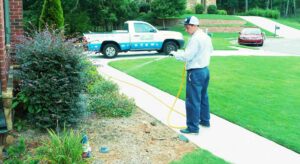
A one-time treatment is a single visit. The technician inspects, treats the interior harborage points for the pest you called about, and applies an exterior barrier around the foundation. For a defined problem, such as a wasp nest, a cluster of lady beetles around one window, or a kitchen with a few ants after a rainstorm, that visit solves it. It is also the right choice when you are clearing a home before moving in or documenting treatment before a sale.
What it does not do is prevent the next problem. The exterior barrier breaks down on roughly a 90-day clock regardless of who applied it, so by the end of the following season the home is unprotected. There is no follow-up inspection to catch the mouse that found a new gap or the roach population that survived in a wall void. And there is no guarantee beyond the work performed. If the ants return in six weeks, which is common when a colony was only partially reached, the next visit is a new invoice.
One-time treatments also tend to be reactive. The homeowner calls after seeing pests, which means the population has already established indoors and the treatment has to do more work than a preventive application would have. That is part of why single visits cost more than a single plan visit, and why they often need a second visit to finish the job.
What a Quarterly Plan Does Across the Year
A quarterly plan is four scheduled visits timed to the barrier’s 90-day life, with free re-treatments in between. The spring visit lands before ant and termite swarms begin. The summer visit refreshes the barrier during peak mosquito and ant season. The fall visit addresses the pests moving toward the house as nights cool, and the winter visit focuses on rodents and roaches indoors. Every visit includes an exterior inspection, web and nest removal, the perimeter barrier, and a granular yard application, with interior treatment as needed.
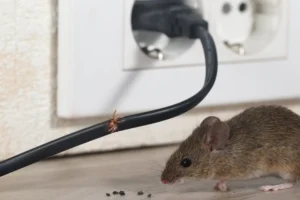
The inspection is the part homeowners underrate. Four times a year, a technician walks the foundation looking for new gaps, moisture problems, gnaw marks, and early activity. Most infestations in Dacula start as a small sign that goes unnoticed for weeks. Catching it at a scheduled visit means a quick targeted treatment instead of a full program later. The residential pest control page details the three plan tiers, which differ in pests covered rather than in visit frequency.
Cost Over 12 Months
The comparison below uses Arete’s published Pest Plan price of $40 per month and a typical one-time general pest treatment cost in the Atlanta area of roughly $150 to $400, depending on the pest and the size of the home. The reactive-visit scenarios reflect the pattern most Dacula homes without a plan actually experience, one to three pest problems a year that each need a visit.
| Scenario | Visits in 12 Months | Cost in 12 Months | Barrier Coverage | Re-Treatments |
| Pest Plan (quarterly) | 4 scheduled | $480 | Continuous, reapplied every 90 days | Free within the plan |
| One reactive one-time treatment | 1 | $150 to $400 | About 90 days, then none | Paid, at full price |
| Two reactive one-time treatments | 2 | $300 to $800 | Two 90-day windows, gaps between | Paid, at full price |
| Three reactive one-time treatments | 3 | $450 to $1,200 | Three 90-day windows, gaps between | Paid, at full price |
One reactive visit a year is cheaper than the plan, if that is truly all the home needs. At two visits the costs overlap, and the plan delivers twice the coverage. At three the plan is clearly less expensive, and a home that needs three reactive visits in a year is a home with recurring pressure that the plan was designed for. The plan also carries the guarantee, and the one-time visits do not. Initial installation fees may apply on plans, and the first-service discount Arete offers usually offsets them.
Why Free Re-Treatment Changes the Math
The table above understates the plan’s advantage because it does not price the re-treatments. On a plan, a pest that appears between quarterly visits is treated at no cost. For a Dacula home that sees ants in May and a mouse in November, that is two extra visits the plan covers that a one-time customer would pay for separately. The effective cost per visit on a plan can drop well below $100 once re-treatments are counted, while each reactive visit stays at full price.
The guarantee also changes the homeowner’s behavior in a useful way. Plan customers call at the first sign of activity because the call is free, which means problems are treated while they are small. One-time customers tend to wait, hoping the problem resolves, because the call costs money. By the time they book, the population is larger and the treatment is harder. Free re-treatment is not a perk layered on top of the plan. It is the mechanism that keeps the plan cheap.
Which Dacula Homes Need Bi-Monthly
Quarterly is the standard, but some Dacula properties generate pests faster than a 90-day barrier can hold. Homes on heavily wooded lots off Harbins Road and Fence Road, homes bordering creek corridors and retention ponds in the Hamilton Mill area, and homes adjacent to active construction along Highway 316 all see elevated pressure from rodents, ants, and spiders. Older homes with crawlspaces and homes with a documented roach or rodent problem in the past year fall into the same group.
For those homes, a bi-monthly schedule of six visits a year keeps the barrier from ever thinning, and the inspection frequency catches rodent entry attempts during the fall and winter push. The technician makes that recommendation at the first inspection based on what the property shows. Our comparisons of DIY versus professional rodent control and DIY versus professional spider control in Dacula explain why those two pests in particular reward more frequent inspection.
How to Choose
Ask one question. Has a pest come back after it was treated before, or is this the first time you have seen it? If it is the first time and the problem is contained, book a one-time treatment and see whether it holds. If anything has returned, or if the home sits on a wooded lot, near water, or beside construction, start a quarterly plan, because the pattern will repeat and the plan is cheaper over the year than the reactive visits it replaces.
Either way, the first step is the same inspection, and the technician will tell you which option fits. For a checklist on evaluating any provider before signing, see our guide on how to choose a pest control company in Georgia. Arete serves Dacula with same-day or next-day scheduling for most homes.
One Treatment Solves a Problem, a Plan Prevents the Next One
A one-time treatment is the right tool for an isolated pest problem, and Arete offers it for exactly that situation. A quarterly plan is the right tool for everything else, because it keeps the barrier continuous, inspects the home four times a year, and treats anything that slips through at no added cost. For Dacula homes, two reactive visits a year already cost about what the plan does, and the plan delivers more. Start with the inspection, and let what the technician finds decide.
FAQs
Is quarterly pest control worth it in Dacula?
For most Dacula homes, yes. The Pest Plan costs $480 a year, which is about what two reactive one-time treatments cost, and it adds continuous barrier coverage, four inspections, and free re-treatments. Homes on wooded lots or near construction see the biggest return.
How much does a one-time pest treatment cost in Dacula?
A general interior and exterior one-time treatment typically runs $150 to $400 in the Atlanta area, depending on the pest, the size of the home, and whether a follow-up visit is needed. Specialty treatments for termites, bed bugs, or wildlife cost more.
What is included in a quarterly pest control visit?
Each visit includes an exterior inspection, removal of spider webs and wasp nests, a perimeter barrier around the foundation, doors, and windows, a granular application in the turf and mulch beds, and interior treatment wherever activity is found or reported.
Does quarterly pest control cover rodents and termites?
The core Pest Plan covers ants, spiders, earwigs, beetles, crickets, and similar pests. Termite protection with monitored bait stations is included in the Pest+ and Pest Elite+ tiers, and rodent service is scoped at the inspection based on what the technician finds.
What if pests come back between quarterly visits?
You call, and a technician returns at no charge under the free re-treatment guarantee. That coverage is the main difference between a plan and a series of one-time treatments, where each return visit is billed separately.
Can I start with a one-time treatment and switch to a plan later?
Yes. Many Dacula homeowners start with a one-time service and move to a plan after a pest returns. The technician can set up the plan at any visit, and the initial service you already paid for often satisfies the plan’s first treatment.