

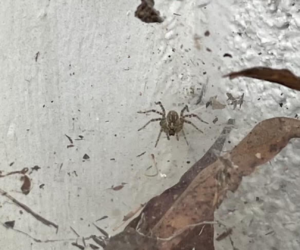
Spider sprays kill the spiders they touch and change almost nothing else, because spiders are in your home for the insects they eat. Professional spider control works by removing webs and egg sacs, treating the places spiders shelter, and cutting off the prey supply. For a lasting result in Dacula, that combination is what actually keeps them out.
That is the verdict. The rest of this guide explains why it holds and where DIY still has a place.
It compares DIY and professional spider control for homes in the Dacula area, including what each method does, cost, and the two spiders that settle the question on their own. It follows the same approach as our guide to DIY versus professional ant control.
Why Sprays Alone Do Not Fix Spiders
Spiders are predators, and predators go where the food is. A house with spiders is a house with enough insect activity to feed them, which is the part a spray never addresses.
Contact sprays also miss the spider more often than people expect. Spiders stand on the tips of their legs and rarely groom themselves, so residual products on a surface do not transfer well. A spider in a corner web is largely untouched by a spray on the baseboard below it.
Then there are the egg sacs. A single sac can hold dozens to hundreds of eggs, and no spray affects them. Kill the adult and leave the sac, and the population is back within weeks.
Put those together and you get the familiar experience of spraying, seeing fewer spiders for a few days, and watching the webs return. The spiders were never the root of the problem. The insects were.
De-Webbing, Perimeter, and Prey Reduction
Effective spider control has three parts, and each one does a different job.
| Method | What It Does | Result |
| De-webbing | Removes webs and egg sacs from eaves, soffits, corners | Stops the next generation and signals the site is hostile |
| Perimeter and harborage treatment | Treats where spiders shelter and enter | Reduces spiders at entry points and resting sites |
| Prey reduction | Cuts the insect activity that feeds spiders | Removes the reason spiders are there |
De-webbing is the step homeowners skip, and it is the one that removes egg sacs. Perimeter treatment is where a residual product earns its keep, at the eaves and entry points spiders actually cross. Prey reduction is the long-term lever, and it is why a spider service on its own is really a general pest service aimed at the insects underneath.
DIY vs. Professional Spider Control: Cost and Effectiveness
DIY is cheap up front and expensive over a season of reapplying. Here is how the two approaches compare.
| Factor | DIY | Professional |
| Upfront cost | $15 to $50 in sprays | Usually $100 to $250 per treatment |
| Removes egg sacs | Rarely, hard to reach | Yes, with de-webbing poles at the eaves |
| Reaches eaves and soffits | Partially | Fully |
| Addresses prey insects | No | Yes, as part of the plan |
| Black widow and recluse handling | Risky | Identified and treated |
| Return trips | You reapply repeatedly | Follow-up included |
| Guarantee | None | Satisfaction guarantee and free re-service |
For a couple of house spiders in a garage, DIY is fine. For webs that keep coming back, spiders in living areas, or any widow or recluse sighting, the professional column wins on every row that matters.
Where DIY Spider Control Is Enough
Not every spider needs a technician, and a few habits handle the light cases well.
Regular de-webbing with a broom or extendable duster, especially around porch lights and garage corners, removes both webs and egg sacs and keeps nuisance spiders from settling. Reducing outdoor lighting, or switching to yellow bulbs, cuts the insects that draw spiders to the porch. Sealing gaps at doors and windows and clearing clutter from garages and basements removes both entry points and hiding spots.
If those steps keep spiders at a level you can live with, you are done. If webs return within days, or if you find a widow or recluse, it is time to escalate.
What a Professional Spider Service Includes
A professional visit is built around the three-part approach, done with tools and reach a homeowner does not have.
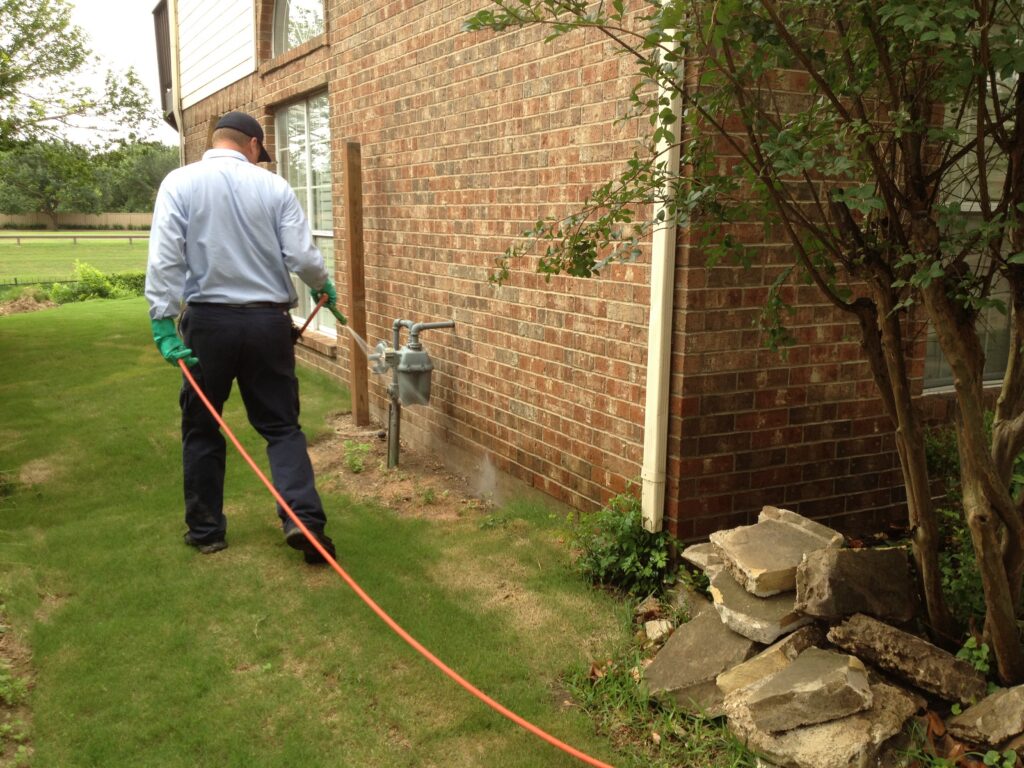
The technician starts with an inspection that identifies the species and maps where spiders are sheltering, which in Dacula usually means the eaves, soffits, deck undersides, and the dark corners of garages and outbuildings. De-webbing with an extendable pole removes webs and egg sacs from the roofline down, including the second-story eaves where most DIY efforts stop.
Perimeter and harborage treatment follows, targeting entry points and resting sites with family- and pet-conscious products. Because spiders follow prey, the visit also addresses the insect activity feeding them, which is why spider control is usually delivered as part of a broader pest plan rather than a one-off.
Follow-up confirms the webs stayed gone, and free re-service applies if spiders return between visits.
How to Get the Most From a Spider Service
A little preparation lets the technician spend the visit on the work rather than on moving things.
Clear the perimeter of the house so the eaves and foundation are reachable, and pull stored items away from garage and basement walls where spiders shelter. Note where you have seen webs returning and any spot where you suspect a widow or recluse, so those areas get treated first. Between visits, keep up the de-webbing around lights and doors and keep clutter down, since both slow the rebuild.
If spiders are part of a bigger insect problem, say so. The most effective spider plan is the one that addresses the ants, flies, or other prey at the same time.
Black Widows and Brown Recluses Mean Call a Pro
Two spiders take DIY off the table.
Black widows build low, messy webs in exactly the places hands go, such as under deck rails, inside meter and irrigation boxes, and behind stored items in garages. Brown recluses hide in closets, boxes, and unworn clothing. Both bite when pressed, and the University of Georgia Extension classes the black widow among the biting pests whose venom can cause serious reactions.
Treating them yourself means reaching into the spots where they are, which is how bites happen. A professional identifies the species, locates the hiding sites, and treats them without anyone putting a hand where a widow is waiting.
Fix the Cause, Not Just the Web
DIY sprays knock down the spiders you can see and leave the egg sacs, the eaves, and the insects that drew the spiders in the first place.
Professional control removes webs and sacs at the roofline, treats where spiders shelter, and reduces the prey supply, which is why the results last instead of resetting every week.
For light nuisance spiders, a broom and a few habits are enough. For returning webs and any widow or recluse, a professional is the reliable answer. The questions below cover what Dacula homeowners ask most.
FAQs
Do spider sprays work?
Only on the spiders they directly touch. They do not affect egg sacs or the insects that attract spiders, so webs usually return within days.
Why do spiders keep coming back after I spray?
Because the food supply is still there. Spiders follow insects, and unless the prey activity drops, new spiders move in to replace the ones you killed.
What is the most effective spider control?
De-webbing that removes egg sacs, perimeter treatment at eaves and entry points, and reducing the insect activity that feeds spiders. Together they address the cause rather than the symptom.
Is professional spider control worth it?
For returning webs, spiders in living areas, or any black widow or brown recluse, yes. A pro reaches the eaves, removes sacs, treats harborage, and guarantees the work.
Can I get rid of black widows myself?
It is not recommended. Widows hide in the exact spots hands reach into, which is how bites happen. A professional locates and treats them without the risk.
Does Arete guarantee spider control?
Yes. Spider treatment is backed by a satisfaction guarantee with free re-service if spiders return between visits. Contact Arete Pest Control for a free inspection.