
DIY ant sprays can kill the ants you see, but they rarely eliminate the colony, and with many Dacula ant species, they make the problem worse. For a lasting fix, professional treatment is what actually works.
The reason comes down to biology. Most ant problems are not the ants on your counter; they are the nest you cannot see.
This guide compares DIY and professional ant control for homes in the Dacula area, including cost, what each method does, and when a pro is the only real option. It follows the same approach as our DIY vs. pro mosquito guide.
Why DIY Ant Sprays Make the Problem Worse
Reaching for a can of spray feels productive because you watch ants drop on contact. The trouble is what the spray does not reach.
The North Carolina State Extension explains that surface sprays kill only the workers that touch them, and that many sprays are repellent, so they do not kill the colony; they just detour the ants elsewhere.
That matters because foragers are only a small fraction of the colony. The queens and brood stay hidden in the nest, untouched, and rebuild within days.
With some species, it gets worse. Many ants common in Dacula, including Argentine and odorous house ants, live in colonies with multiple queens and multiple nest sites. The University of Georgia Extension notes that a single Argentine colony can hold hundreds of queens spread across a large area.
When a repellent spray hits their trails, these colonies can “bud,” splitting into several new satellite nests. You turn one problem into three or four, scattered deeper into the walls and yard.
That is why a spray can seem to work for a day, then leave you with ants in more rooms than before. The colony did not die; it reorganized.
Bait vs. Spray vs. Perimeter: What Works
Not all ant treatments do the same thing. Here is how the three common approaches compare.
| Method | How It Works | Result |
| Contact spray | Kills ants it directly touches | Foragers only; colony survives; can cause budding |
| Bait | Slow-acting; workers carry it back to the nest | Can kill the entire colony, including queens |
| Perimeter or barrier | Treats the exterior foundation | Kills foragers; can trap ants indoors; not permanent alone |
Baiting is the method used to reach the colony. NC State Extension notes baits can kill the entire colony because workers carry the product back to the nest.
For that to work, the bait must be slow-acting. The Mississippi State Extension explains that a fast-acting product kills the worker before it can carry the bait back to the queen, which defeats the purpose. Proper baiting can take a few weeks, but it clears the colony instead of scattering it.
DIY vs. Professional Ant Control: Cost and Effectiveness
DIY looks cheaper at the register. Over a season of reapplying and chasing rebounds, it usually costs more than a professional plan that solves the problem once.
| Factor | DIY | Professional |
| Upfront cost | $15 to $60 in sprays and baits | Usually $150 to $350 per treatment |
| Reaches the colony | Rarely | Yes, with non-repellent products and baits |
| Budding risk | High with repellent sprays | Low; targeted, non-repellent approach |
| Carpenter and fire ants | Often ineffective | Species-specific treatment |
| Return trips | You reapply repeatedly | Follow-up included |
| Guarantee | None | Satisfaction guarantee and free re-service |
| Long-term result | Ants usually return | Colony eliminated, plus prevention |
The takeaway is the same one from our mosquito guide: DIY can buy short-term relief, but it rarely solves the source, so many homeowners spend more chasing ants than they would on one professional plan.
When DIY Ant Control Is Enough
DIY is not always the wrong call. For small, occasional ant problems, a careful approach can be enough, and it is worth knowing when.
- A few nuisance ants, not a spreading trail. A handful of pavement or odorous house ants around a spill often clears up once the food is gone.
- You use bait, not spray. Slow-acting gel or granular baits placed along trails can reach a small colony over a couple of weeks.
- No wood damage or stings. If you are not finding carpenter ant frass or fire ant mounds, the stakes are lower and DIY carries less risk.
- You keep the kitchen clean and dry. Wiping trails, sealing food, and fixing moisture removes what draws ants in the first place.
If the trails keep coming back after two to three weeks of correct baiting, or you see carpenter or fire ants, that is the signal to bring in a professional.
What a Professional Ant Treatment Includes
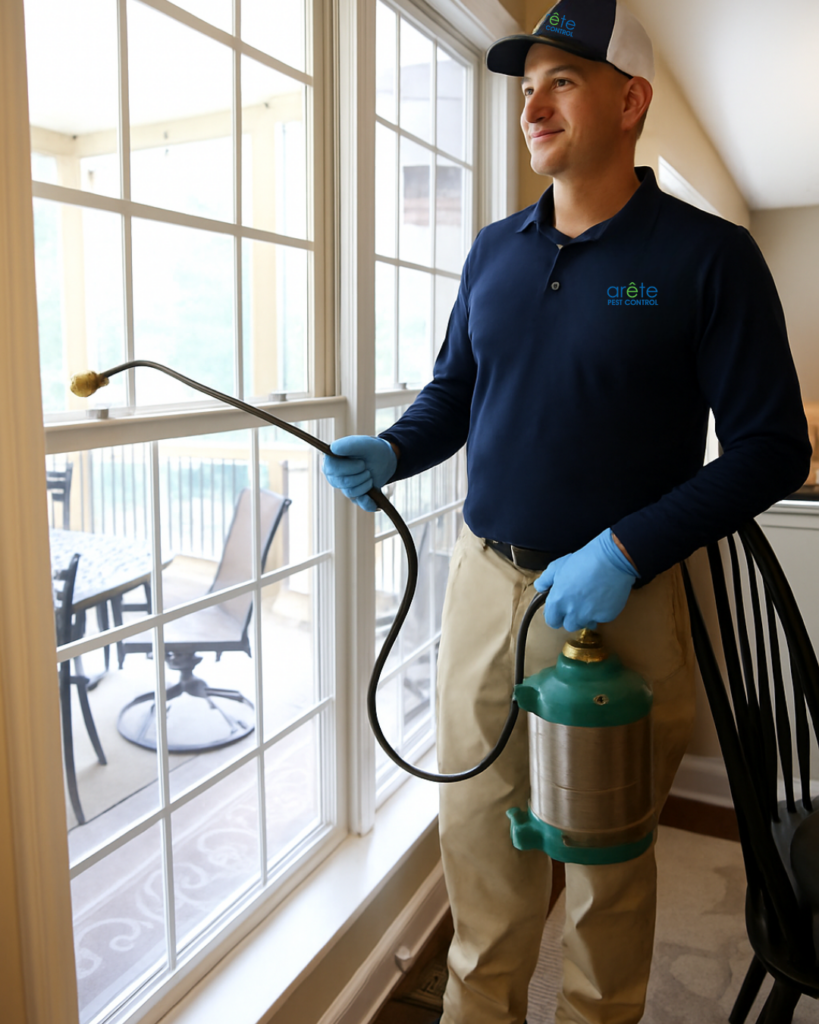
A professional plan works because it targets the colony, not just the trail. A thorough visit covers these steps.
- Inspection and identification. The technician identifies the species because Argentine, carpenter, and fire ants each require a different approach.
- Non-repellent treatment and baiting. Products the ants cannot detect are carried back to the colony, so the queens and brood are reached, not just the foragers.
- Interior and perimeter work. Treatment targets entry points, trails, and nest areas indoors and around the foundation.
- Follow-up and guarantee. Return visits confirm the colony is gone, backed by a satisfaction guarantee that includes free reservice if ants return.
The difference is the target. DIY aims at the ants you can see, while a professional plan aims at the nest you cannot, which is why the results last longer.
Carpenter and Fire Ants: Always Call a Pro
Two Dacula ants make this decision necessary.
Carpenter Ants
Carpenter ants tunnel into wood to nest, which can weaken the structure over time. The University of Georgia Extension advises hiring a pest professional for an ongoing carpenter ant infestation because the nest is often hidden and a pro has tools you do not.
Their damage can also be confused with termites, so it is worth confirming the pest. A termite and wood-pest inspection can tell them apart.
Fire Ants
Fire ants deliver painful, sometimes dangerous stings, and their mounds spread across Georgia yards. Mississippi State Extension recommends slow-acting baits carried back to the colony, applied correctly over a few weeks, which is easy to get wrong on your own.
Knocking the top off a mound or drenching it with spray rarely reaches the queen, and the colony simply relocates nearby. That is why yard-wide fire ant control is best left to a pro.
For both species, professional treatment is safer and far more reliable than DIY.
What Actually Works for Dacula Ants
DIY sprays kill the ants you see, but they leave the colony intact and can cause multi-queen species to bud into new nests.
Baiting and non-repellent treatments reach the colony and the queens, which is why professional control clears ants for good rather than on repeat.
For nuisance ants, a pro saves you money over a season of reapplying. For carpenter and fire ants, it is the safe and reliable choice. The questions below cover the topics Dacula homeowners ask about most.
FAQs
Do DIY ant sprays work?
Only on the ants they touch. Surface sprays kill foragers but not the hidden colony, so ants return within days. Many sprays are also repellent and simply detour the ants.
Why do ants multiply after I spray them?
Because multi-queen species like Argentine and odorous house ants can bud when disturbed by repellent sprays. The colony splits into several satellite nests, spreading the problem instead of ending it.
Is professional ant control worth the cost?
For most Dacula homes, yes. A professional plan reaches the colony, includes follow-up and a guarantee, and usually costs less over a season than repeated DIY products that do not solve the source.
What is the difference between bait and spray?
Spray kills on contact but misses the nest. Bait is slow-acting, so workers carry it back and it can kill the entire colony, including the queens. Baiting is the more effective tool for most ants.
Can I get rid of carpenter ants myself?
Usually not. Carpenter ant nests are often hidden in walls or wood, and DIY sprays rarely reach them. UGA Extension recommends hiring a professional for ongoing carpenter ant infestations.
Does Arete guarantee ant control?
Yes. Professional ant treatment is backed by a satisfaction guarantee with free re-service if ants return between visits. To get started, contact Arete Pest Control for a free inspection.