
Schedule fall pest treatment now, before the first cool nights, because that is when rodents, roaches, spiders, and stink bugs start moving into Georgia homes for winter. Treat and seal in September, and those pests hit a barrier. Wait until October, and the job becomes removal instead of prevention.
Some fall pests you can manage with good habits. Others, especially rodents and anything that carries allergens or bites, are worth a professional.
This guide covers which fall pests need professional treatment, how a seasonal plan compares to DIY, what a fall visit includes, and when to book. A quarterly residential protection plan is the simplest way to stay ahead, and homeowners across Gwinnett County can start with a free inspection.
Which Fall Pests Need Professional Treatment?
Four pests drive most fall calls in Georgia, and each one comes inside for a slightly different reason.
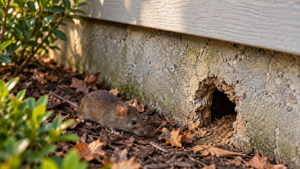
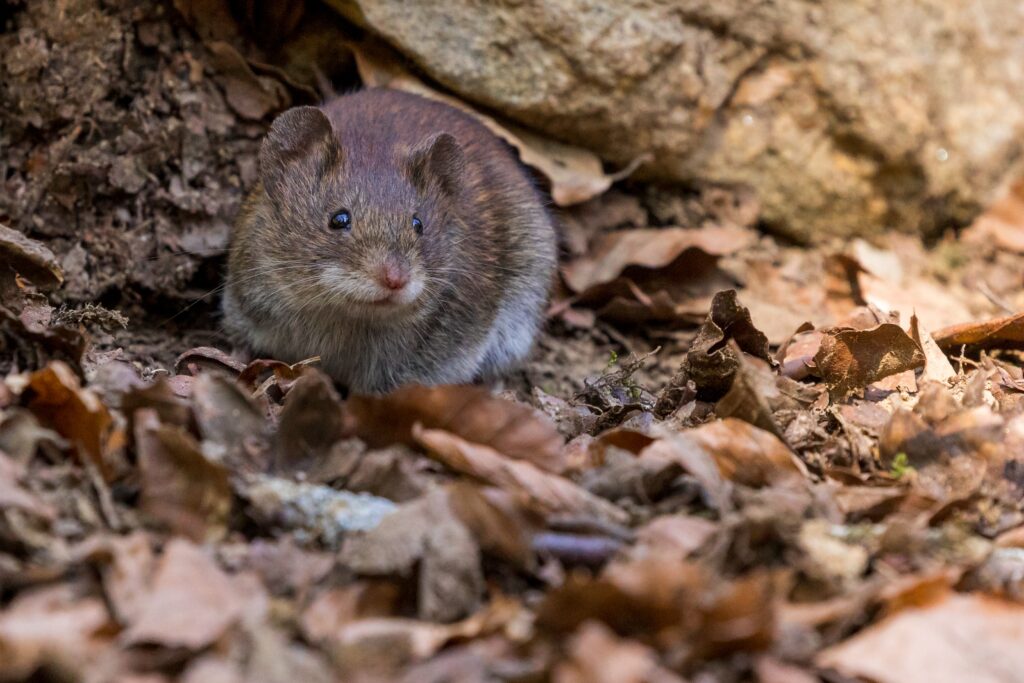
Rodents are the priority. Mice and roof rats begin scouting for warmth and food as nights cool, slipping in through gaps around pipes, vents, and the roofline. Once they nest in an attic or wall, they chew wiring and insulation and multiply fast, which is why fall rodent control focuses on exclusion before they arrive.
Roaches head for heat and moisture, and German roaches in particular resist most retail sprays. A warm kitchen keeps them breeding straight through winter.
Spiders follow their food indoors and settle into garages, basements, and closets. Most are harmless, but black widows and brown recluses show up in Georgia homes often enough that spider control is worth taking seriously, especially in storage areas.
Stink bugs are the newest member of the list. The brown marmorated stink bug masses on sunny walls in late September and October, then squeezes inside to overwinter. They do not bite or breed indoors, but they arrive in numbers and are difficult to remove once in the walls. Our stink bug guide covers the sealing steps that work.
Georgia Pest Peaks by Season
Knowing when each pest peaks helps you time treatment. Fall is the key window for indoor invaders.
| Season | Pests Peaking in Northeast Georgia | What to Do |
| Spring | Ants, spiders, termite swarmers | Start barrier treatment |
| Summer | Mosquitoes, wasps, roaches, fleas | Perimeter and outdoor treatment |
| Fall | Rodents, roaches, spiders, stink bugs | Seal and treat before they enter |
| Winter | Overwintering rodents and spiders | Maintain barrier, inspect attic |
How Fall Pests Get Inside
None of these pests need much of an opening. A mouse fits through a gap the width of a dime, roaches need less, and stink bugs slide behind siding trim that looks tight from the driveway.
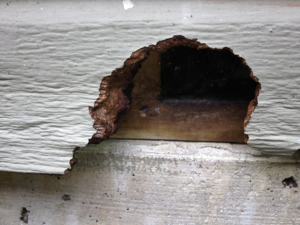
The common routes are the ones a quick walk around the house reveals. Gaps under exterior doors and worn weatherstripping let rodents, roaches, and spiders walk in. Cracks in the foundation and the openings around pipes and utility lines are the highways for roaches and mice. Roofline gaps, attic vents, and soffit seams admit rodents and stink bugs from above, and dryer and bathroom vents without screens are an open invitation to all of them.
This is why sealing is as important as treatment in fall, and why a professional inspection checks every one of these points rather than the two or three that are easy to see.
DIY Prevention vs. a Seasonal Plan
DIY steps help, and sealing is the foundation of fall prevention. The University of Kentucky Extension recommends closing gaps around doors, windows, pipes, and the foundation, and that advice holds in Georgia. What DIY cannot match is the coverage and timing of a scheduled plan.
| Factor | DIY Prevention | Seasonal Plan |
| Coverage | Spot fixes as you notice pests | Whole-home, proactive treatment |
| Timing | Reactive, after pests appear | Ahead of each seasonal peak |
| Rodent exclusion | Basic sealing | Professional sealing and monitoring |
| Roaches | Retail sprays, often ineffective | Baits and growth regulators |
| Cost pattern | Repeated product purchases | Predictable quarterly cost |
| Guarantee | None | Free re-service if pests return |
The pattern is consistent across pests. DIY handles the visible problem, while the plan handles the source and the timing.
What a Fall Pest Treatment Includes
A fall service is built around keeping pests out as they look for winter shelter, so it starts on the outside.
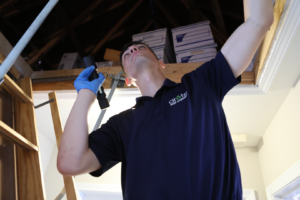
The technician inspects and seals entry points around the foundation, roofline, and utility gaps, then applies targeted interior and perimeter treatments where pests enter and harbor. Rodent work includes trapping, tamper-resistant bait stations where appropriate, and exclusion. Roach work leans on baits rather than sprays. Spider work focuses on de-webbing and treating harborage in garages and basements.
Follow-up visits confirm the problem is resolved and catch new activity, which matters most for rodents and roaches, where a missed pair becomes a colony by January.
Quarterly vs. One-Time Treatment
A one-time treatment solves the pest you see today. A quarterly plan prevents the next one, and for most Georgia homes it costs less over the year than repeated one-time visits.
The health angle adds weight to the plan. The Environmental Protection Agency lists cockroach and rodent allergens among common indoor asthma triggers, which is a strong reason to keep both out year-round rather than reacting after they settle in.
Quarterly coverage also spreads protection across the seasons, so fall rodents, spring ants, and summer mosquitoes are all covered without booking each visit separately.
Why Fall Is the Critical Window
Fall is the one season when pests actively try to get inside rather than simply passing through the yard. As nights cool, rodents, roaches, spiders, and stink bugs all look for the same thing: a warm, sheltered place with food and water.
Treating and sealing before that migration starts means pests hit a barrier instead of an open door. A few pests in early fall can become an established infestation by winter, because indoor warmth lets them keep breeding.
Booking early keeps a small, manageable issue from turning into a season-long one.
When to Book Your Fall Treatment
Book in September, before the first real cold snap, so treatment and sealing are in place when pests start moving. Stink bugs are already gathering on walls in late September, and rodents follow as soon as nights drop into the fifties.
To get ahead of the season, schedule a free inspection and ask about a quarterly protection plan.
Getting Ahead of Fall Pests
Fall is when rodents, roaches, spiders, and stink bugs move indoors, and the best defense is to treat and seal before they arrive.
DIY prevention helps, but a seasonal plan delivers proactive, whole-home coverage with a guarantee, and it handles the pests that resist retail products.
Booking in September is the difference between a quick preventive visit and a winter-long infestation. The questions below cover what Georgia homeowners ask most.
FAQs
What pests are worst in Georgia during fall?
Rodents, roaches, spiders, and stink bugs are the most common fall invaders as they move indoors for warmth and shelter.
When should I schedule fall pest control?
September, before the first cold snap, so treatment and sealing are in place when pests start seeking shelter.
Is a quarterly plan worth it?
For most homes, yes. It usually costs less over the year than repeated one-time visits and includes free re-service if pests return.
Can I keep fall pests out myself?
Sealing gaps and reducing clutter helps a great deal, but professional exclusion, baiting, and treatment provide far more reliable protection, especially against rodents and German roaches.
Do stink bugs cause damage?
Not to the structure, and they do not bite or breed indoors. They are a nuisance that arrives in large numbers and is hard to remove once in the walls, which is why sealing in September matters.
Do roaches and rodents affect my health?
Yes. Their allergens are common indoor asthma triggers, and rodents contaminate food and chew wiring.