
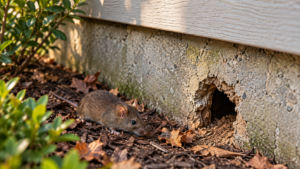
If you find small, dark droppings, hear scratching in the walls or ceiling at night, or notice gnaw marks on food packaging or wood, you almost certainly have rodents. Those three signs are the ones most Dacula homeowners notice first, and by the time they appear, the animals have usually been inside for a while.
In fall, the question comes up because cooling nights push mice and rats toward warm attics and crawl spaces across Gwinnett County.
This guide covers the seven signs of a rodent problem, how to tell a mouse from a Norway rat or a roof rat, why they move in during fall, the health and property risks, and when professional rodent control is the right call for homes in the Dacula area.
The 7 Signs of Rodents
Rodents are nocturnal and cautious, so you will almost always see the evidence before you see the animal. The Centers for Disease Control recommends checking regularly for droppings and gnaw marks as the two most reliable signs, and five more round out the list.
1. Droppings
Droppings are the most reliable sign and the easiest to find. Mouse droppings are small, dark, and pointed at both ends, about the size of a grain of rice, and show up along baseboards, in cabinets, under sinks, and in drawers. Rat droppings are larger, closer to a raisin, and concentrate in attics, garages, and along the routes rats travel. Fresh droppings are dark and soft, while old ones are gray and crumble.
2. Gnaw Marks
Rodent teeth never stop growing, so rodents never stop chewing. Look for fresh gnaw marks on food packaging, pet food bags, baseboards, door corners, and the wood around attic entries. Mice leave small, fine scratches. Rats leave larger, rougher marks. Chewed wiring is the most dangerous version of this sign.
3. Grease Rub Marks
Rodents travel the same routes night after night, pressing against walls, and the oil in their fur leaves dark, greasy smudges along baseboards, around pipe openings, and at the edges of the holes they use. Rub marks strongly suggest an established pathway rather than a stray visitor.
4. Noises at Night
Scratching, scurrying, or gnawing sounds in walls, ceilings, or the attic after dark are classic signs of rodents. Mice make light, quick scratching. Rats are heavier and more deliberate. Loud thumping or heavy footsteps overhead usually point to something larger, a different problem covered below.
5. Nests
Rodents build nests from shredded paper, insulation, fabric, and dried plant material in hidden, warm spots. Finding shredded insulation in the attic, a nest behind the dryer or water heater, or chewed material in a stored box means the animals have settled in to breed.
6. Odor
A persistent musky, ammonia-like smell, strongest in enclosed spaces like cabinets, closets, and the attic, comes from rodent urine and grows with the population. A sudden foul odor from a wall or ceiling can mean a rodent died inside.
7. Pet Behavior
Dogs and cats hear and smell what we miss. A pet that stares at a wall, paws at a cabinet, or suddenly fixates on the ceiling at night is often tracking a rodent you have not found yet.
Mouse vs. Norway Rat vs. Roof Rat
Three rodents account for nearly every Dacula infestation, and telling them apart matters because they live in different parts of the house and are controlled differently.
| Rodent | Size and Look | Where It Lives | Tell-Tale Sign |
| House mouse | Small, 2 to 4 inch body, gray-brown, large ears | Kitchens, cabinets, wall voids, garages | Tiny pointed droppings near food |
| Norway rat | Heavy, 7 to 10 inch body, blunt nose, short tail | Ground level, crawl spaces, basements, burrows | Large droppings, burrows at foundation |
| Roof rat | Sleek, 6 to 8 inch body, long tail, pointed nose | Attics, rooflines, trees, upper walls | Noises overhead, droppings in attic |
Dacula homeowners most often hear roof rats overhead. They are agile climbers that reach the house along tree limbs, fence lines, and utility wires, then enter through roofline gaps and soffit vents. If the noise is in the attic, think roof rat first. If the evidence is in the kitchen, think mouse. If it is at ground level around the foundation, think Norway rat.
Why Fall Is When They Move In
Rodents breed all summer outdoors in Dacula’s wooded lots, retention pond edges, and landscaped beds. When nights drop into the fifties, those populations start looking for warmth, water, and a steady food supply, and a house provides all three.
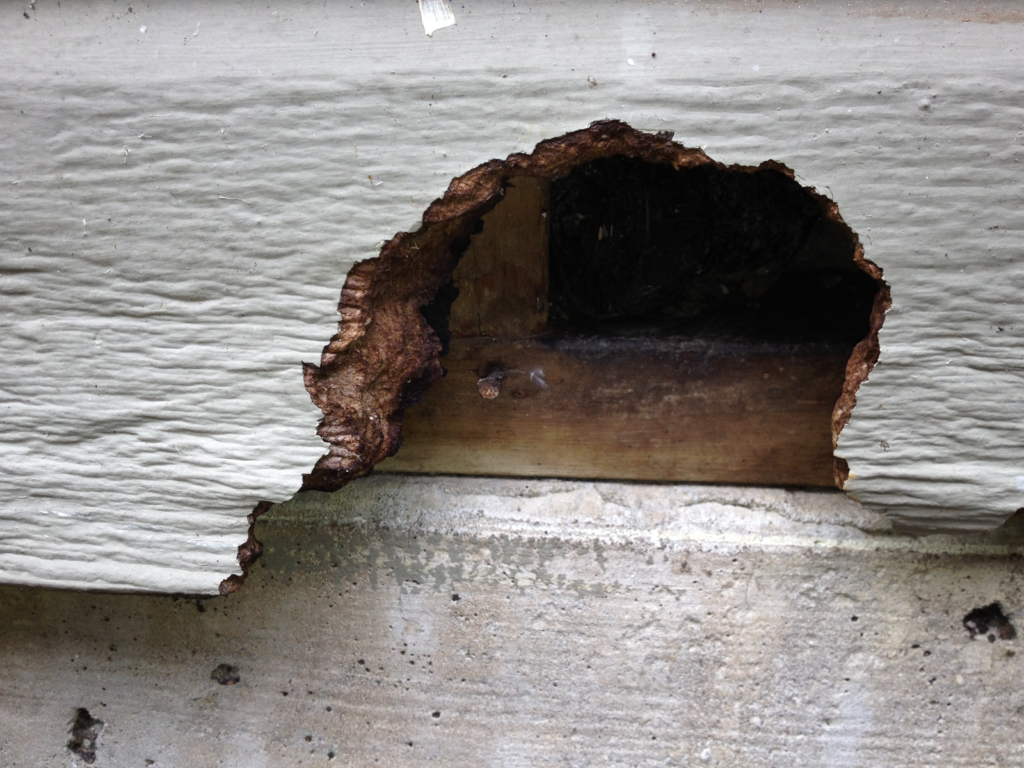
A mouse fits through a dime-sized gap and a rat through a quarter-sized gap, so openings around pipes, utility lines, foundation vents, garage door edges, and roofline seams are all doors. Dacula’s mix of mature trees and newer subdivisions gives roof rats both the aerial routes they prefer and the construction gaps they exploit.
Once inside, they do not leave in spring. Indoor warmth lets them breed year-round, so a few rodents in October can become a population by January.
Health and Property Risks
Rodents are a health issue before they are a nuisance. The CDC notes that rodents carry many diseases that spread to people directly through droppings, urine, and saliva, or indirectly through the fleas, ticks, and mites they carry, and that infestation in and around the home is the main way that spread happens. Contaminated food surfaces and airborne dust from droppings are the common routes. Hantavirus, while rare, is spread by exactly that kind of contact and is a reason never to sweep or vacuum dry droppings.
The property risks are just as real. Rodents chew wiring, which is a fire hazard, shred attic insulation into nesting material, contaminate stored items, and gnaw through plumbing lines and ductwork. The repair bill for a season of roof rats in an attic routinely exceeds the cost of control.
When to Call a Pro
A single mouse in a garage in October is common and sometimes manageable with a trap and a sealed gap. A pattern is different.
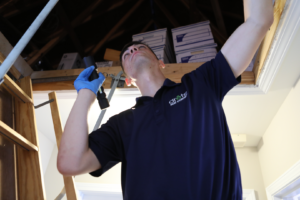
Call a professional when you find droppings in more than one room, hear noises in the attic or walls on more than one night, find a nest or shredded insulation, see rub marks or chewed wiring, or notice a persistent odor. Any roof rat activity in the attic is worth a professional visit, because the entry points are high and the exclusion work is not a ladder-and-caulk job. A good visit includes rat and mouse removal plus sealing to keep the next ones out, and our guide to what kills rats covers control methods in detail.
One important exception. Loud thumping, heavy footsteps, or daytime activity overhead usually means squirrels or raccoons rather than rats. That calls for wildlife removal, with dedicated squirrel and raccoon services, which is a separate process from rodent control.
Trust the Evidence
Droppings, gnaw marks, grease rubs, night noises, nests, odor, and pet behavior are the seven signs of rodents, and most Dacula homes with a problem show at least three of them.
Mice live near the food, Norway rats live near the ground, and roof rats live overhead, and knowing which you have shapes the fix. They arrive in fall, and they do not leave on their own.
Trust the evidence, act before the population grows, and bring in a professional for anything in the attic or anything that keeps coming back. The questions below cover what Dacula homeowners ask most.
FAQs
What are the first signs of rodents in a house?
Droppings along baseboards or in cabinets, gnaw marks on packaging or wood, and scratching noises at night are the three signs homeowners notice first. Grease rub marks, nests, odor, and pet behavior round out the seven.
How do I know if I have mice or rats?
Droppings tell you fastest. Mouse droppings are rice-sized and pointed; rat droppings are raisin-sized. Noises in the attic usually mean roof rats, while evidence at ground level points to Norway rats and evidence in the kitchen points to mice.
Why do rodents come inside in October?
Cooling nights push outdoor populations toward warmth, water, and food. Dacula’s wooded lots feed summer breeding, and the gaps around pipes, vents, and rooflines give them a way in.
Are rodent droppings dangerous?
Yes. The CDC notes rodents carry diseases spread through droppings, urine, and saliva, including through airborne dust. Never sweep or vacuum dry droppings; wet them with disinfectant and wipe them up with gloves.
Is the noise in my attic rats or squirrels?
Light scratching and scurrying at night usually means roof rats. Loud thumping, heavy movement, or daytime activity usually means squirrels or raccoons, which calls for wildlife removal rather than rodent control.
When should I call a professional for rodents?
When you find signs in more than one room, hear noises on more than one night, find a nest, or see chewed wiring, or notice any roof rat activity in the attic. Contact Arete Pest Control for a free inspection.