
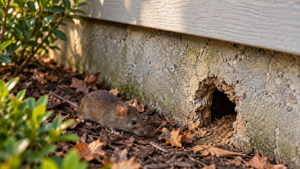
Snap traps, electric traps, rat zappers, and rodenticides (rat poison) are the quickest and most effective methods to kill rats instantly in Georgia.
Local species such as the Norway rat and roof rat adapt quickly to home environments, necessitating immediate lethal control to prevent potential disease transmission and property damage.
While individual traps offer a quick fix for active rodents, a complete pest control strategy requires addressing the root cause of the infestation, including sealing entry points and removing attractants.
In this guide, we will break down how to properly deploy these 4 fast rat-control solutions, share rat-prevention tips for Georgia homeowners that we use in the field, and help you determine when to call a professional rat-control service for eradication.
Common Rats Found In Georgia
Georgia’s humid climate and mix of urban and rural landscapes mean that many homeowners deal with wild rats and other rodents that enter their homes through the smallest cracks and crevices.
If you are dealing with a rat problem in the Peach State, it is almost certainly one of these two culprit species:
1. Roof Rats (Rattus rattus)
Also known as black rats or ship rats, roof rats are highly agile climbers. They are smaller and sleeker than Norway rats, typically featuring dark gray or black fur, a pointed snout, large ears, and a tail that is longer than their body.
True to their name, roof rats prefer elevated areas. You will commonly find them in attics, ceilings, rafters, upper levels of homes, and inside lush Georgia trees or ivy.
2. Norway Rats (Rattus norvegicus)
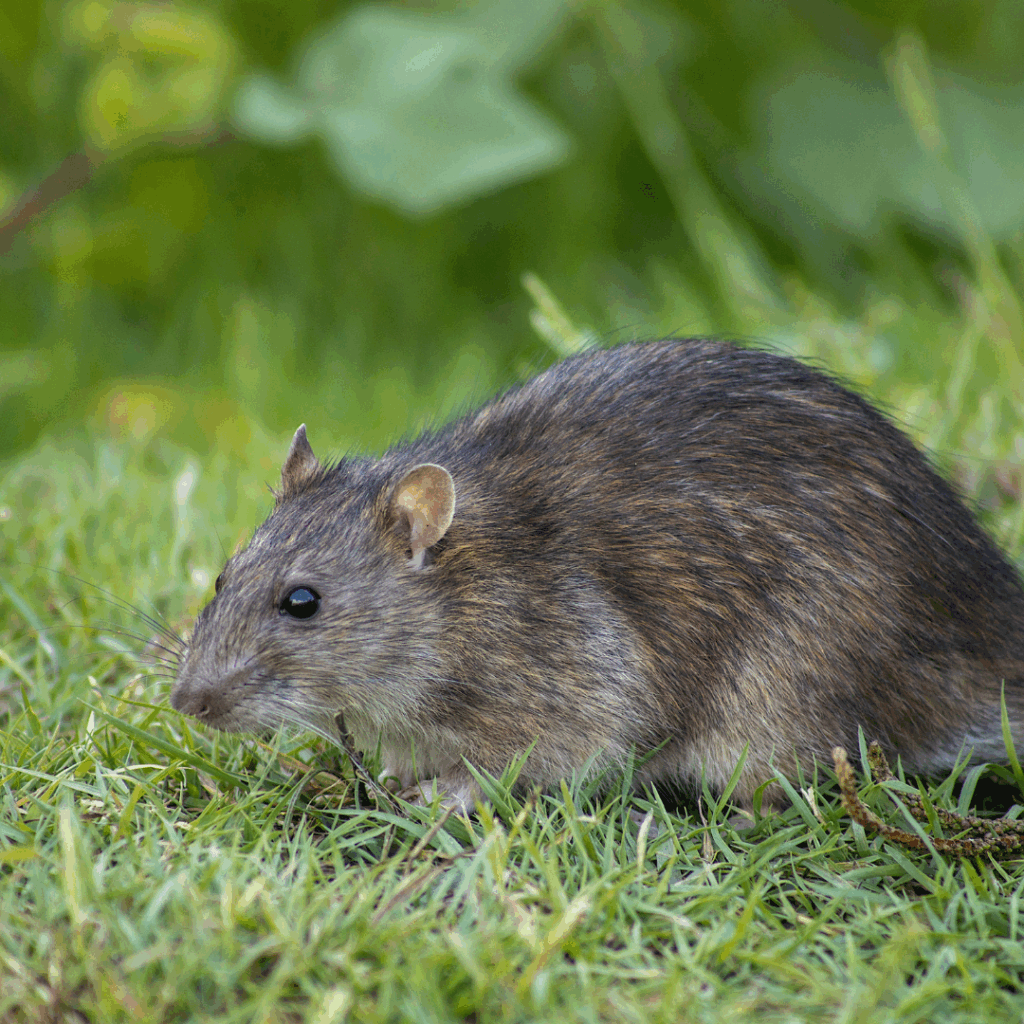
Often called brown rats, sewer rats, or wharf rats, Norway rats are large, robust rodents with coarse brown or muddy gray fur. They have a blunt snout, small ears, and a heavy tail that is shorter than their head and body combined.
Unlike roof rats, Norway rats are ground dwellers and poor climbers. They prefer to burrow underground, beneath concrete slabs, in crawl spaces, basements, or amid piles of debris around the perimeter of your home.
Roof rats are more common in the rural stretches of Gwinnett County, while Norway rats are more common in dense urban environments such as Atlanta and Alpharetta.
Dangers of Georgia Rats in Homes
The primary danger of having rats in your home is the risk of diseases such as leptospirosis, Salmonellosis, and Hantavirus.
Rodent-borne diseases are primarily transmitted through cleaning up droppings, which is why it’s important to take proper precautions, such as wearing an N95 mask or contacting a professional pest control service for removal.
Rats can also cause significant damage behind walls, gnawing on insulation and wiring to wear down incisors, which can even be a fire hazard.
What Kills Rats Instantly?
Snap traps, electric traps, and rat zappers are the most efficient methods for instantly dealing with rats, offering a humane and effective solution when properly used and placed.
Rodenticides are also effective and offer the best long-term results, but they require cautious use and secure placement due to their high toxicity to protect other animals and humans.
1. Snap Traps
This traditional method relies on a heavy bar to kill rats instantly when triggered. For the highest success rate, place snap traps perpendicular to walls, with the trigger side facing the baseboard, and bait them with high-protein attractants such as peanut butter or hazelnut spread.
2. Electric Traps
These specialized traps deliver a humane, high-voltage shock that kills the rodent in seconds. They are ideal for indoor use, feature a protective chamber to keep pets and children safe, and eliminate the need to look at or touch the dead rodent during disposal.
3. Rat Zappers
Operating on the same high-voltage principle as electric traps, rat zappers are battery-powered units designed for quick, clean elimination. Most models feature an external LED light indicator to notify you of a catch, making disposal entirely hands-free.
4. Rodenticides (Rat Poison)
Though highly effective for large infestations, chemical baits do not offer an instant kill; rats must consume the bait and return to their nests before dying.
Due to their high toxicity, rodenticides must always be deployed inside locked, tamper-resistant bait stations to protect non-target wildlife, pets, and children.
Rat Prevention Tips for Homeowners
The most effective way to prevent rats in Georgia is by eliminating their access to food, water, and shelter through proactive home maintenance.
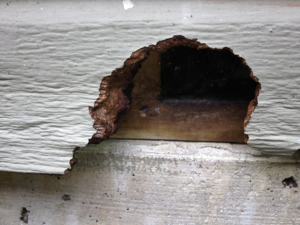
Rats can squeeze through openings as small as a quarter, so sealing your home’s exterior is critical to keeping them out permanently.
Implement these key exclusion and sanitation tactics to protect your property:
- Seal All Entry Points: Inspect your home’s foundation, roofline, siding, and areas around utility pipes. Seal any gaps, cracks, or holes larger than a quarter inch with a combination of heavy-duty steel wool and silicone caulk, since rats cannot easily chew through metal mesh.
- Manage Outdoor Food Sources: Never leave pet food outside overnight. Secure all household trash in airtight, heavy-duty plastic or metal bins with tight-fitting lids, and move bird feeders away from the immediate perimeter of your home.
- Eliminate Standing Water: Rats require a daily water source to survive. Fix leaking outdoor spigots, clear clogged gutters, drain birdbaths, and ensure your yard has proper drainage to prevent water pooling.
- Clear Vegetation and Yard Debris: Trim tree branches so they are at least 6 feet away from your roofline to prevent roof rats from jumping onto your house. Keep grass mowed short, and clear away piles of firewood, thick brush, or leaf piles where Norway rats love to burrow.
When to Call Pest Control for Rats in Georgia
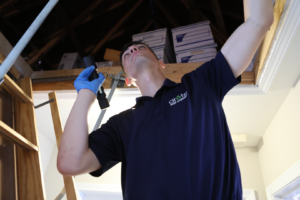
Professional intervention is highly recommended if the infestation is extensive or if you prefer not to deal with the issue yourself.
Rat infestations require immediate attention and action. Whether you tackle the problem using traps or rodenticides or prefer professional intervention, it’s crucial to act fast to prevent property damage and health risks.
Professional rat control combines heavy-duty lethal trapping with precise structural sealing. This dual approach quickly eliminates the active infestation while permanently blocking future entry points.
FAQs
What is the strongest thing to kill rats?
The most effective substances for killing rats are usually chemical rodenticides. These are designed to be highly toxic to rodents and can be very effective. However, they should be used cautiously due to their potential risks to pets, wildlife, and humans, and should always be placed in tamper-resistant bait stations.
What kills rats permanently?
Rodenticides, snap traps, electric traps, and rat zappers can all kill rats permanently. Rodenticides interfere with the rodents’ bodily functions, leading to their demise, while traps and zappers kill them instantly. When dealing with a rat infestation, however, it is also crucial to address the environmental factors that attract them, such as food sources and shelter, to prevent future infestations.
How quickly does baking soda kill rats?
Baking soda can reportedly kill rats, producing carbon dioxide gas when ingested, causing internal blockage or rupture, and leading to death. The exact time can vary, but it is not an instantaneous method, and death may occur within a day or two. However, using baking soda is not a recommended method for rodent control, as it is not reliably effective and more proven, humane options are available.
What scents keep rats away?
Peppermint oil, ammonia, eucalyptus, and citronella are the most effective natural scents for keeping rats away from your home. While these strong odors can temporarily repel rodents and disrupt their pheromone trails, scent deterrents will not eliminate an active infestation and should only be used as a secondary prevention measure alongside proper home sealing.
What is the best bait for rat traps in Georgia?
The best bait for rat traps is peanut butter, hazelnut spread, bacon, or dried fruit. Norway rats and roof rats in Georgia are strongly drawn to high-protein, high-fat foods, making these sticky baits much more effective than cheese. They force the rodent to spend more time on the trigger mechanism, ensuring a successful snap.
Can rats chew through spray foam insulation?
Yes, rats can easily chew through standard expanding spray foam insulation. Standard polyurethane foam is soft and provides no resistance against a rodent’s continuously growing incisor teeth. To properly block rats, you must use a specialized pest-blocking foam that contains abrasive glass fibers, or pack the gap with heavy-duty steel wool before applying the sealant.
Does bleach kill rats?
Yes, bleach can kill rats if ingested in large quantities, but it is highly inefficient and dangerous to use as a primary rodent control method. Rats have a keen sense of smell and will naturally avoid the pungent odor of liquid bleach. Furthermore, leaving open containers of bleach around your home poses a severe toxic hazard to children, pets, and indoor air quality.