
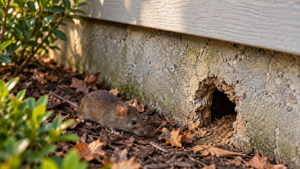

Yes, rats and mice can be dangerous, as they are known vectors of disease and can cause significant structural damage to homes in Utah due to their constant gnawing.
According to the CDC, rodents directly transmit more than 35 diseases to humans worldwide, and they do so through multiple pathways that do not require any direct contact with the animal.
You can contract a rodent-borne illness by breathing air near dried urine or droppings, handling contaminated surfaces, or consuming food that rodents have moved across in your kitchen overnight.
When considering the importance of Utah rodent control, however, the risk is not limited to bites.
Rats and mice also cause significant structural and safety hazards beyond their disease burden. Their continuously growing incisors require constant gnawing, and electrical wiring, plumbing lines, and structural wood are all vulnerable to gnawing where rodents reside inside homes.
The National Fire Protection Association has even identified rodent gnawing as a contributing factor in residential fires where the ignition source was listed as unknown.
While rodents like mice and rats are more common in the winter in the Wasatch Front, they are a year-round threat, especially inside homes where they have already established a nest.
This article covers the specific diseases rats and mice carry, how each is transmitted, the structural risks beyond disease, and what Utah homeowners in particular need to know about local rodent pressure.
Diseases Rats and Mice Carry in Utah
The most common disease that rodents in Utah carry is hantavirus, which is spread by inhaling rodent urine or droppings and can be fatal if not properly treated. Additionally, rats and mice are known to carry more than a dozen diseases in Utah.
| Disease | Pathogen Type | Primary Transmission | Severity |
| Hantavirus Pulmonary Syndrome (HPS) | Virus | Inhalation of dried rodent urine/droppings | Severe — case fatality rate ~38% in U.S. |
| Leptospirosis | Bacteria (Leptospira) | Contact with contaminated water or soil; rat urine | Moderate to severe — can cause liver/kidney failure |
| Salmonellosis | Bacteria (Salmonella) | Contaminated food or surfaces | Mild to moderate; severe in immunocompromised |
| Rat-Bite Fever | Bacteria (Streptobacillus moniliformis) | Bite, scratch, or contact with dead rodent | Moderate — can progress to meningitis or pneumonia |
| Lymphocytic Choriomeningitis (LCM) | Virus (LCMV) | Urine, droppings, saliva of house mice | Moderate; severe in pregnancy (risk of fetal harm) |
| Plague | Bacteria (Yersinia pestis) | Flea bites; contact with infected animal | Severe — fatal if untreated; rare in U.S. |
| Murine Typhus | Bacteria (Rickettsia typhi) | Rat flea bites | Moderate — fever, rash, headache |
Hantavirus Pulmonary Syndrome (HPS)
Hantavirus Pulmonary Syndrome is a fatal respiratory disease transmitted by inhaling droppings from the deer mouse, primarily the Sin Nombre strain in Utah. With a 38% mortality rate and no specific antiviral treatment, prevention requires using N95 respirators during rodent cleanup to avoid inhaling viral particles.
Leptospirosis
Leptospirosis is a bacterial infection caused by Leptospira interrogans shed in rodent urine, which thrives in moist soil and standing water.
It often spreads after flooding and can progress to Weil’s disease, involving kidney failure, though it is highly treatable with early administration of antibiotics.
Rat-Bite Fever
Rat-bite fever is a systemic illness caused by Streptobacillus moniliformis, a bacterium found in the respiratory tracts of healthy-looking rats and mice.
It is transmitted through bites, scratches, or contaminated food, causing a distinct rash on the palms and soles that can lead to permanent heart or brain damage if not diagnosed quickly.
Lymphocytic Choriomeningitis (LCM)
Lymphocytic Choriomeningitis is a viral infection spread by the common house mouse through contact with urine or saliva. While often mild in adults, LCMV is a critical threat during pregnancy as it can cause miscarriage or permanent neurological damage to the fetus.
Schedule My Free Utah Rodent Inspection
How Do Rats and Mice Transmit Disease to Humans?
Disease transmission from rodents to humans occurs through two routes: direct transmission from the animal itself and indirect transmission via parasites that the rodent carries.
Direct Transmission
Pathogen transfer occurs through immediate contact with infected rodents or their metabolic waste. The primary transmission vectors include:
- Inhalation: Disturbed rodent urine, droppings, and nesting materials create airborne particles that transmit Hantavirus when inhaled.
- Physical Contact: Touching contaminated surfaces or handling waste introduces bacteria like Leptospira and Salmonella, directly into mucous membranes.
- Bites and Scratches: Direct injuries from rodents transmit Streptobacillus moniliformis, the primary cause of Rat-Bite Fever.
- Consumption: Ingesting food or water contaminated by rodent feces and urine introduces various gastrointestinal and systemic pathogens.
The most common form of transmission is inhalation when cleaning up rodent waste, which is why professional removal and proper precautions are so necessary.
Indirect Transmission
Rodents also transmit viruses through ectoparasites, including fleas, ticks, and mites, that feed on them and then feed on humans. Plague, caused by the bacterium Yersinia pestis, is the historical example, transmitted by fleas that move from infected rodents to human hosts.
Though rare in the United States today, with an average of seven cases per year per the CDC, it remains present in western states.
Murine typhus, transmitted by rat fleas, is another indirect rodent-borne disease documented in the southern and western United States.
Structural and Safety Risks Beyond Disease
Beyond pathogen transmission, rodent infestations pose severe long-term structural risks to residential safety.
Rats and mice cause significant property damage through continuous gnawing and metabolic waste, leading to fire hazards, water damage, and systemic food contamination.
Electrical Wire Damage and Fire Risk
Rodents must gnaw on hard surfaces to wear down their continuously growing incisors, frequently choosing electrical wiring as a preferred substrate.
This behavior strips insulation from live wires, causing electrical arcing that ignites insulation and wood inside the walls.
Plumbing and Structural Damage
Rats frequently puncture PVC and CPVC plumbing lines to access water, resulting in hidden pinhole leaks that trigger extensive wood rot and mold growth within wall cavities.
While rodents also gnaw through subflooring and structural framing, the secondary damage from undetected leaks often requires more costly remediation than the initial rodent exclusion.
Food Contamination
A single rat produces up to 50 droppings nightly and leaves a continuous trail of urine containing Salmonella across countertops and food packaging.
Because this contamination is microscopic and odorless, kitchen surfaces can harbor viable pathogens even when they appear visually clean, which is why we recommend professional-grade sanitation after any rodent sighting.
How to Protect Your Household from Rodent-Borne Health Risks
Effective rodent prevention requires a multi-layered approach focusing on structural exclusion and resource deprivation. Implementing these measures ensures long-term protection against the disease and structural risks associated with infestations.
Seal Entry Points
Mice can squeeze through 1/4-inch gaps (the size of a pencil), and rats only need 1/2 inch to enter your home. To ensure your rodent control is permanent rather than temporary, perform a systematic perimeter check: install hardware cloth over crawlspace vents, replace worn door sweeps, and use steel wool or professional sealants to plug gaps around utility pipes and foundation cracks.
Eliminate Food and Water Access
Depriving rodents of resources reduces population viability; therefore, pantry items should be transferred from permeable cardboard or paper into hard-sided, airtight containers.
Additionally, removing pet food overnight and repairing plumbing leaks eliminates the reliable water sources necessary to sustain an indoor colony.
Clean Rodent Evidence Safely
To prevent the aerosolization of Hantavirus, never sweep or vacuum droppings; instead, utilize a “wet method” by saturating waste with disinfectant for five minutes before disposal.
This protocol, combined with 30 minutes of ventilation and the use of rubber gloves and respiratory protection, mitigates the risk of inhaling contaminated dried particles.
Contact Professional Pest Control for Active Infestations
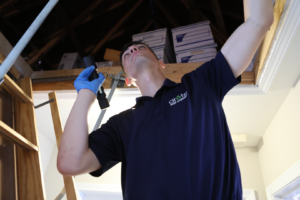
While consumer baits address individual rodents, professional rat and mice removal in Utah is required to resolve the underlying conditions that attract rodents to your home and identify structural entry points.
Professional intervention provides the fastest resolution through a combination of targeted elimination, comprehensive exclusion work, and ongoing monitoring to protect against future health and safety risks.
FAQs
Are rats dangerous to humans?
Yes. Rats transmit more than 35 diseases to humans through direct contact, bites, and contamination of food and surfaces.
The most serious in the United States are hantavirus pulmonary syndrome, leptospirosis, and rat-bite fever. Beyond disease, rats damage electrical wiring, plumbing, and structural materials in ways that create fire and flooding risk.
Do rats carry disease without appearing sick?
Yes, and this is one of the most important points about rodent-borne illness risk. Rodents carrying hantavirus, leptospirosis, LCMV, and the bacteria that cause rat-bite fever do not show signs of illness.
A rat or mouse that appears healthy and moves normally may be shedding pathogens in its urine and droppings. The carrier status of any individual animal cannot be determined by observation.
Can I get sick from rat droppings without touching them?
Yes. Hantavirus is airborne. When dried rodent droppings or urine deposits are disturbed, they break into fine particles that can be inhaled.
This is why sweeping or vacuuming rodent-contaminated areas without respiratory protection is a documented route of hantavirus infection. Wet cleanup methods using disinfectant are the recommended approach for all rodent waste removal.
How quickly can a rodent infestation become a health risk?
Immediately upon entry. A single rodent contaminating kitchen surfaces overnight produces a Salmonella exposure risk on the first night.
Hantavirus risk exists any time deer mouse activity is present and droppings begin to dry out, which happens within hours. The health risk does not require an established infestation; it begins with the first animal.
Are mice less dangerous than rats?
Mice are a different risk profile but not a lesser one. House mice are the primary reservoir for LCMV, which poses a specific risk to pregnant women.
They also transmit Salmonella and, depending on the species, can carry hantavirus. Deer mice, common throughout Utah, are the primary hantavirus reservoir in the western United States. In terms of disease risk, a mouse infestation should be treated with the same urgency as a rat infestation.
How do I know if I have rats or mice?
The most reliable distinguishing evidence is dropping size: rat droppings are 1/2 to 3/4 inch long with blunt ends, mouse droppings are 1/8 to 1/4 inch long with pointed ends.
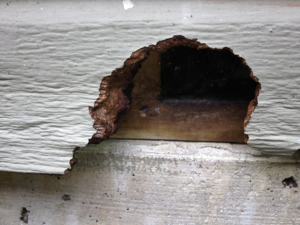
Gnaw holes also differ: rats create holes over two inches in diameter with rough, chewed edges; mice create holes smaller than one inch. Entry point size is another indicator: if a gap large enough for a rat exists in the structure, rats should be considered possible regardless of whether the evidence is consistent with mice.
What should I do if I find a dead rat or mouse?
Do not handle it without gloves and respiratory protection. Ventilate the area. Spray the carcass and surrounding area with a disinfectant solution and allow it to soak for five minutes before picking it up with doubled paper towels or a plastic bag used as a glove.
Seal in two plastic bags and dispose in an outdoor trash container. Wash your hands thoroughly with soap and water afterward. If the carcass is inside a wall or inaccessible area, contact a pest control professional for removal and disinfection.
If you are in need of expert rodent exterminators, call Arete Pest Control at (866) 945-1766