
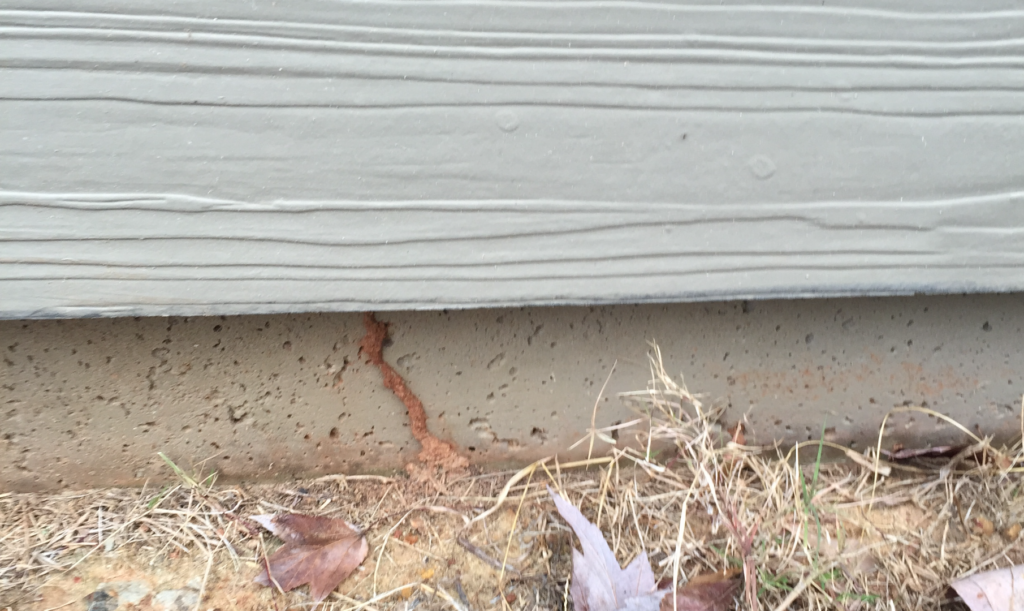
You should hire a termite exterminator in Dacula as soon as you see signs of active subterranean termites, such as mud tubes, indoor swarmers, or hollow-sounding wood.
Because Georgia’s humid climate and clay soil support aggressive colony growth, any evidence of activity indicates that termites are already feeding on your home’s structure.
Professional intervention is required because retail products cannot penetrate the soil or reach the heart of an underground colony. To protect your investment, a legitimate treatment plan must include:
- Structural Vulnerability Mapping: Pinpointing hidden entry points, like expansion joints and plumbing penetrations, that standard DIY inspections overlook.
- Colony-Elimination Technology: Utilizing professional-grade liquid barriers or advanced baiting systems designed to wipe out the entire subterranean network.
- Ongoing Monitoring: Providing guaranteed, recurring monitoring to ensure the colony is neutralized and stays gone, backed by a professional service agreement.
This guide explores why professional treatment is the only reliable way to stop subterranean damage and what Dacula homeowners should look for in a service agreement.
When Is Professional Treatment Recommended for Termites?
Professional intervention becomes mandatory the moment you identify signs of active subterranean activity. Because Georgia’s subterranean species operate within the soil and behind wall voids, an infestation usually attacks the structure of your home.
Not only do termites remain underground for extended periods, but they also bypass standard defenses through expansion joints, plumbing penetrations, and microscopic foundation cracks that are inaccessible to the average homeowner.
By the time a colony is discovered with or without an inspection, significant structural damage has likely occurred.
DIY sprays and store-bought bait stations require strategic placement to reach the center of the colony. In worst-case scenarios, we see homeowners scatter the colony to other parts of the home after spraying, thinking the problem has been eliminated.
Situations That Require Immediate Professional Attention
- Swarmers appear inside your home. Indoor swarms confirm a mature colony is living in or directly under the structure. This is not a preventive situation. It is an active infestation.
- Mud tubes found on interior or exterior foundation walls. Whether active or vacant, mud tubes confirm that termites have established foraging routes to or from your home.
- Structural wood that sounds hollow or shows soil-lined damage. This means termites have been feeding long enough to compromise the integrity of the wood. Treatment and a damage assessment are both needed.
- A failed or expired previous treatment. If a prior termite treatment has lapsed and new activity is present, the home needs a full re-evaluation and likely a new treatment plan.
Why DIY Termite Treatment Does Not Work for Subterranean Infestations
Retail termite products may be widely available, but they are not designed to eliminate subterranean termite colonies or protect a structure long-term. Understanding why helps explain the gap between DIY efforts and professional results.
Surface Sprays Do Not Reach the Colony
Subterranean termite colonies live underground, often several feet below the soil surface. Spraying a liquid product along a baseboard or around the outside of a foundation does nothing to the colony itself. It may kill a few workers on contact, but the colony continues to grow and send foragers through untreated pathways.
Retail Baits Lack Professional Monitoring
Some over-the-counter bait stakes are marketed for homeowner use. However, successful termite baiting requires careful installation, diligent monitoring, and ongoing surveillance by a trained professional.
One common problem many Dacula homeowners face is termites that return to previous colonies after elimination, which is impossible to spot without professional monitoring.
Incomplete Treatment Gives Colonies Time to Spread
A partial or improperly applied treatment creates a dangerous false sense of security. While a homeowner may stop seeing surface activity, the colony often shifts its foraging to untreated gaps in the foundation or interior wall voids.
By the time termites reappear, the delay has allowed them to bypass “treated” zones and cause significantly more expensive structural damage that a comprehensive, professional application would have prevented.
What Does a Professional Termite Treatment Plan in Georgia Include?
Investing in professional termite treatment is the quickest, safest, and most cost-effective way to eliminate a termite colony and prevent them from returning.
Based on the amount of damage that termites cause across Georgia, it’s also one of the highest returns on investment you can make for the safety and security of your home’s structure.
A qualified exterminator will walk you through a clear plan tailored to the specific conditions of your home. Here is what to expect from a thorough termite control treatment in the Dacula area.
360-Degree Property Inspection
The first step in treating a termite colony is identifying the nest location and the colony’s size.
A technician will physically examine your entire foundation perimeter, crawl space, garage, basement, and any attached structures to identify common hiding spots and document where activity was found. They will also document any conditions conducive to termite entry and outline target areas for treatment.
Custom Treatment Solution for Your Property
The right treatment method depends on your home’s foundation type, construction materials, and the severity of the infestation. A professional plan will be developed based on factors identified in the inspection and mapped to your specific property.
Common treatment methods include:
Liquid barrier treatments involve applying a non-repellent termiticide to the soil around and beneath the foundation. The goal is to create a continuous treated zone that termites cannot pass through without picking up the product and transferring it back to the colony. This is the most common approach for active infestations in Georgia.
Bait monitoring systems use in-ground stations placed around the foundation perimeter. These stations are checked on a regular schedule. When termites feed on the bait, they carry the active ingredient back to the colony. According to NC State University Extension, bait systems can be effective as standalone treatments or used alongside liquid applications depending on the situation.
Combination approaches use a liquid treatment to stop active feeding immediately, with bait stations installed for long-term colony suppression and monitoring. This is often the most thorough option for homes with confirmed infestations.
Comprehensive Entry Point Shielding
A professional plan addresses the full perimeter of the home to provide the best line of defense against future infestations. Subterranean termites exploit microscopic gaps in the foundation; treating only one section leaves the rest of your home vulnerable. A professional application includes:
- Trenching and Rodding: Saturating the soil along the exterior foundation.
- Slab Boring: Drilling and treating soil beneath adjacent concrete like porches, patios, and garage floors.
- Sub-Structure Treatment: Treating soil around piers and interior walls within crawl spaces.
A Written Warranty and Service Agreement
Any professional treatment should come with a written warranty that explains what is covered, how long the coverage lasts, and what happens if termites return. Most agreements in Georgia include annual renewal inspections. Ask specifically whether the warranty covers re-treatment only or also structural damage repair.
Professional Treatment vs. DIY: What You Get
| Factor | Professional Treatment | DIY Approach |
| Inspection | Full structure, crawl space, perimeter | Visual only; no crawl space access |
| Treatment reach | Subsurface soil, foundation cracks, slabs | Surface application only |
| Colony elimination | Non-repellent products transfer through colony | Contact kill only; colony unaffected |
| Monitoring | Scheduled re-inspections and bait checks | None unless homeowner checks manually |
| Warranty | Written coverage with re-treatment clause | Product refund only (if available) |
| Georgia compliance | Licensed applicator; meets state standards | No licensing; no regulatory oversight |
Why Ongoing Monitoring Is Essential to Termite Control in Dacula
Termites often return to the same location even after being removed or displaced, which is why ongoing monitoring is essential to long-term elimination. Treatments also tend to degrade over time and require new placement for maximum efficacy.
- High Likelihood of Returning: Subterranean colonies leave behind pheromone trails that attract other nearby colonies. Ongoing monitoring intercepts the migration of new colonies before they can become established.
- Environmental Degradation of Liquid Barriers: While modern termiticides are highly effective, they naturally break down in the soil over time. Heavy Georgia rainfall, landscaping shifts, or foundation settling can create gaps in your chemical shield.
- Maintenance of Baiting Infrastructure: Bait stations are not set-it-and-forget-it solutions. They require scheduled professional servicing to replenish consumed bait, replace weathered components, and analyze foraging patterns.
- Evolution of Conducive Conditions: Home repairs, new mulch beds, or gutter failures can suddenly increase moisture levels and create new entry points. Regular inspections identify these structural risks before termites do.
- Warranty and Repair Integrity: Consistent monitoring is often required to maintain a Damage Repair Guarantee. Lapsing on inspections can void your structural warranty, leaving you financially responsible for future infestations.
When Do You Need a Georgia Wood-Destroying Insect Report?
If you are buying, selling, or refinancing a home in Dacula, you will likely need an Official Georgia Wood Destroying Insect Report (WDI) to verify your home is currently termite-free.
Some lenders require this report as a condition of financing. It documents whether the property shows evidence of termites, wood-boring beetles, or carpenter ants.
The report must be completed by a licensed pest control company with the proper credentials. It includes findings on current activity, prior damage, and conditions that increase risk. If the property fails the inspection, the buyer can renegotiate, request treatment, or walk away from the purchase.
Even if you are not in a real estate transaction, requesting a formal inspection provides a documented baseline. This gives you a clear record of your home’s condition and helps track any changes over time.
How to Choose the Right Termite Professional in Dacula
Gwinnett County is a high-pressure zone for subterranean termites, so choosing the right professional will determine how quickly and sustainably you eliminate termites from your property.
The EPA and the Georgia Department of Agriculture recommend the following criteria when selecting a licensed termite specialist.
- Verify licensing. Georgia requires termite applicators to hold a valid pest control license. Ask for proof of licensure before allowing anyone to treat your property.
- Request a full inspection first. A reputable company will always inspect before quoting a treatment. Be cautious of any company that offers a price without examining the home.
- Get the plan in writing. The proposal should specify the treatment method, the areas to be treated, the products being used, the warranty terms, and the annual renewal cost.
- Compare at least two or three companies. Termite damage accumulates slowly. Taking a few extra days to get multiple quotes and compare service agreements will not change your outcome, and it protects you from overcommitting to the first offer.
- Ask about ongoing monitoring. The best treatment plans include scheduled re-inspections and maintenance. A company that treats and walks away without a monitoring plan is leaving your home exposed.
What to Expect After Professional Termite Treatment
After treatment, it is normal to have questions about what happens next, especially since termite control is a long-term project. Because modern termite treatments rely on the transfer of active ingredients throughout a subterranean network, patience is required for total colony collapse.
Here is a timeline of how professional treatments typically play out.
First 30 days. Termite activity may still be visible in treated areas as the colony is exposed to the termiticide. This does not mean the treatment failed. Non-repellent products work by allowing termites to pass through treated soil and carry the product back to the colony. Full elimination can take several weeks.
First 90 days. Activity should decline significantly. Your technician should follow up during this period to confirm the treatment is working and address any new concerns.
Annual renewal. Most warranties require an annual inspection to remain active. During this visit, the technician checks for new activity, confirms the integrity of the treatment zone, and inspects bait stations if applicable.
If you are ready to address a termite concern at your Dacula home, contact Arete Pest Control to schedule a free inspection. We will evaluate your property, walk you through the findings, and develop a treatment plan tailored to your home’s specific needs.
FAQs
How much does professional termite treatment cost in Georgia?
Costs vary based on the size of your home, foundation type, severity of the infestation, and the treatment method used. Most professional treatments in the Dacula area range from several hundred to over a thousand dollars. Annual renewal fees for warranty coverage are additional. Always get a written quote that breaks down the full cost.
How long does a termite treatment take?
Most liquid barrier treatments for an average-sized home take one full day. Bait station installation may take less time initially, but it requires ongoing service visits every few months. Combination treatments may involve multiple visits over the first few weeks.
Will I need to leave my home during treatment?
In most cases, no. Modern liquid termiticides are applied to the soil around and beneath the structure, not inside living spaces. Your technician will let you know if any specific areas need to be temporarily avoided.
Can I switch from a bait system to a liquid treatment later?
Yes. Many homeowners start with one method and adjust based on results or changing conditions. A licensed technician can evaluate your current protection and recommend whether a change is warranted.
What if termites come back after treatment?
This is exactly why a warranty and monitoring plan matters. If your treatment includes a service agreement, the company should return and re-treat the affected areas at no additional cost. Confirm these terms in writing before signing a contract.