
Subterranean termites cause more property damage in Dacula than any other wood-destroying insect. In Georgia alone, homeowners spend over $200–$300 million every year on termite control and structural repairs, according to the University of Georgia College of Agricultural & Environmental Sciences.
Dacula homeowners are especially at risk for Eastern Subterranean Termite infestations because of the region’s warm climate, heavy clay soils, and long swarm seasons that give colonies time to grow undetected.
This guide explains why subterranean termite pressure is so high in the Dacula area, what makes certain homes more vulnerable than others, and which early warning signs you should watch for around your foundation, crawl space, and yard.
Catching these signs early is the difference between a minor treatment and a major structural repair.
Why Subterranean Termite Pressure Is So High in Georgia
Georgia sits in one of the heaviest termite pressure zones in the United States. The USDA Termite Infestation Probability Map classifies most of the state, including Gwinnett County and Dacula, as a “very heavy” risk area.
There are two main reasons for this.
Climate Fuels Year-Round Colony Activity
Subterranean termites need moisture and warmth to survive. Georgia delivers both for most of the year. Average annual rainfall in the Dacula area exceeds 52 inches, and mild winters mean soil temperatures rarely drop low enough to force colonies into full dormancy.
This matters because termite colonies do not hibernate the way many pests do. In cooler climates, freezing soil slows colony growth. In Georgia, colonies continue feeding through winter, especially when they have access to heated foundations or insulated crawl spaces.
Georgia’s Soils Help Termites Reach Your Home
The red clay soils common across Gwinnett County retain moisture close to the surface. Subterranean termites build their colonies underground and travel through soil to reach wood. Clay soil that stays damp gives them an easy highway from the colony to your home’s foundation.
Sandy or well-drained soils dry out faster, making it harder for termites to build stable mud tubes. Heavy Georgia clay does the opposite. It retains water, remains compacted, and maintains conditions favorable for tunnel construction.
What Property Conditions Make Dacula Homes More Vulnerable?
Specific conditions around your property create easier entry points and make more attractive environments for subterranean termites. Knowing what to look for helps you reduce exposure before a colony finds its way inside.
Wood-to-Soil Contact
Any place where wood directly touches the ground is vulnerable to moisture and subsequent termite infestations.
This commonly includes deck posts set into dirt, fence rails that rest on soil, siding that extends below the foundation line, and wooden porch steps without concrete footings.
Even a thin piece of scrap lumber left against a foundation wall can serve as a bridge into your room.
Remove or elevate any wood that contacts soil within several feet of your home.
Poor Drainage and Standing Water
Moisture is the single biggest factor that attracts subterranean termites. Gutters that dump water directly against the foundation, grading that slopes toward the house rather than away from it, and clogged French drains all contribute to moisture buildup near the structure.
Crawl spaces without vapor barriers are especially risky. Exposed soil under a home releases moisture continuously, keeping humidity high and creating ideal conditions for termite activity.
If your home has crawl space moisture issues, addressing them is one of the most effective steps you can take to eliminate termites and other pests.
Mulch and Landscaping Too Close to the Foundation
Thick mulch beds pushed up against your home’s exterior hold moisture and provide organic material that termites feed on. The mulch itself is not always the main problem. The issue is that it keeps the soil around the foundation damp and warm, which encourages termite foraging.
Keep mulch beds at least 6 inches from the foundation wall. Use rock or gravel as an alternative in areas where you have had moisture issues.
Cracks in the Foundation or Slab
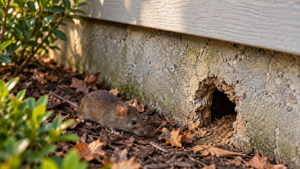
Termites can enter a structure through cracks as narrow as 1/32 of an inch. Settling cracks in concrete slabs, gaps around plumbing penetrations, and expansion joints that have lost their sealant all create entry points.
Homes built on slab foundations are not immune. Termites can travel through internal voids in the concrete or enter where utilities pass through the slab.
Risk Factor Comparison: What Increases and Decreases Termite Vulnerability
| Property Condition | Higher Risk | Lower Risk |
| Wood-to-soil contact | Deck posts, siding, or stairs touching soil | All wood elevated on concrete footings |
| Foundation drainage | Water pooling near foundation walls | Grading slopes away; gutters directed 4+ ft out |
| Mulch placement | Thick mulch touching the home’s exterior | 6+ inch gap between mulch and foundation |
| Crawl space moisture | No vapor barrier, exposed soil | Sealed vapor barrier, ventilation or encapsulation |
| Foundation cracks | Unsealed cracks, open expansion joints | Sealed penetrations and maintained joints |
5 Early Warning Signs of Subterranean Termite Activity
Subterranean termites are silent destroyers because they consume wood from the inside out. In Georgia’s climate, a colony can feed for years before structural damage becomes visible.
To protect your home, watch for these five reliable indicators of an early-stage infestation:
1. Mud Tubes on Foundation Walls
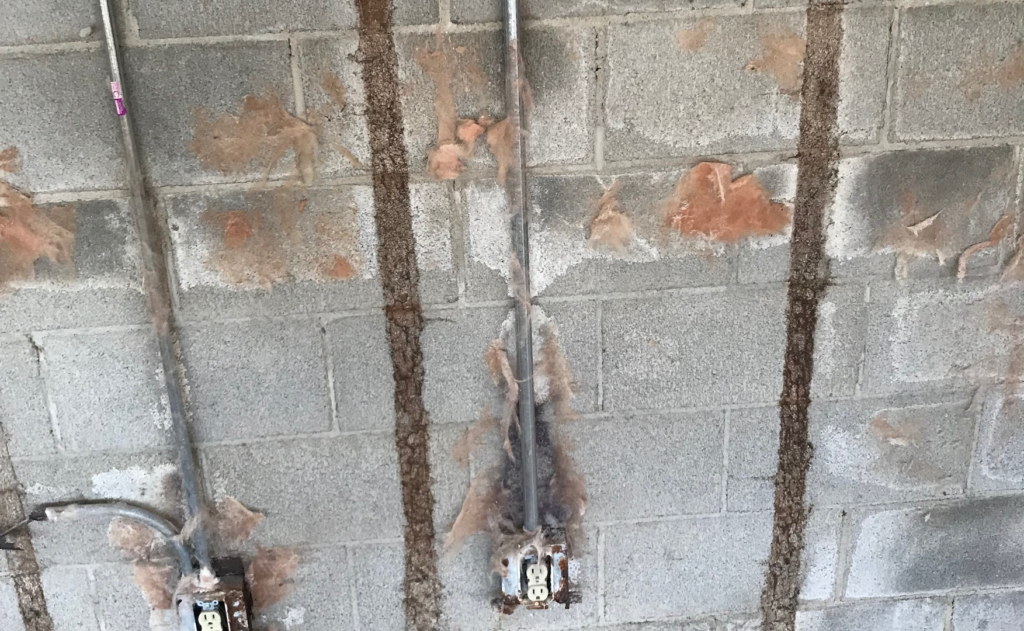
Mud tubes are the most recognizable sign of subterranean termite activity. These pencil-width tunnels made of soil, saliva, and waste run along foundation walls, piers, and plumbing lines. Termites build them to travel between their underground colony and the wood they are feeding on.
Check the exterior and interior of your foundation walls at least twice a year. Pay close attention to areas behind shrubs, inside crawl spaces, and around utility penetrations where tubes may be hidden from plain sight.
2. Swarm Season Activity Near Your Home
In the Dacula area, subterranean termite swarms typically appear between March and May, often after a warm rain. Swarmers are winged reproductive termites that leave an established colony to start new ones.
Finding swarmers inside your home, especially near windows, light fixtures, or door frames, is a strong indicator that a colony is already established nearby. Finding shed wings on windowsills or in spider webs is another common sign.
Swarms outdoors in your yard do not always mean your home is infested. But they do confirm that active colonies are present on or near your property.
3. Soft or Hollow-Sounding Wood
Tap along exposed wood in your crawl space, garage, or basement. Healthy wood sounds solid, while wood that has been hollowed by termite feeding will sound papery or hollow.
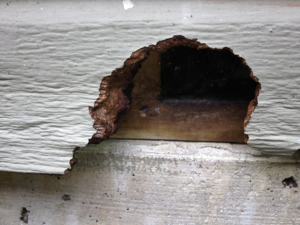
Subterranean termites eat wood from the inside, following the grain. The surface may look perfectly normal while the interior is severely damaged. A screwdriver pressed into a suspect area will often push through with little resistance if termites have been active.
4. Bubbling or Warped Paint on Interior Walls
Paint that appears to bubble, peel, or warp without a clear moisture source can indicate termite activity behind the wall. Termites produce moisture as they feed, which can affect the paint or drywall above the damaged area.
This sign is easy to overlook or blame on the humidity. If you notice unexplained paint changes near the base of walls, especially on exterior-facing walls, have the area inspected.
5. Frass or Soil Deposits in Unusual Places
While drywood termites produce pellet-like frass, subterranean termites leave behind small deposits of soil or mud in areas where they are working. You may notice fine soil lines along baseboards, inside wall cavities, or on top of exposed joists in crawl spaces.
These deposits are part of the tunneling process. They are easy to miss during routine cleaning, which is why crawl space inspections are important.
Why Crawl Space Inspections Are Critical for Termite Control
Many Dacula homes, especially those built before 2000, were constructed with vented crawl spaces. These spaces are often the first point of termite entry because they provide direct access to floor joists, sill plates, and subfloor materials.
Crawl spaces tend to trap moisture. Without proper vapor barriers or encapsulation, humidity levels in crawl spaces regularly exceed the threshold that attracts termite activity.
Combining high moisture with exposed wood framing creates the exact environment subterranean termites seek.
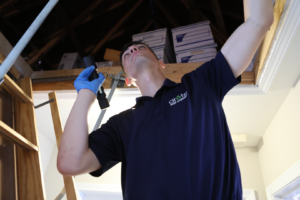
Professional termite inspections should always include a thorough crawl space evaluation. A visual check from the access door is not enough.
Inspectors need to physically enter the space and examine joists, piers, and the foundation perimeter for mud tubes, moisture damage, and wood decay.
How Swarm Season Works in the Dacula Area
Subterranean termite swarms in Georgia usually begin in early spring, typically between late February and May. The exact timing depends on soil temperature and rainfall patterns, but most Dacula homeowners will see peak activity in March and April.
A swarm event happens when a mature colony sends out winged reproductives (called alates) to mate and establish new colonies. These swarms are triggered by warm temperatures and moisture, which is why they often appear after spring rain.
What a Swarm Looks Like
Swarmers are dark-bodied, about 3/8 of an inch long, and have two pairs of wings that are roughly equal in length. They are often confused with flying ants, but there are clear differences.
Termite swarmers have straight antennae, a broad waist, and wings of equal size. Flying ants have elbowed antennae, a pinched waist, and front wings that are larger than the rear wings.
Why a Swarm Near Your Home Matters
A swarm inside your home almost always means there is an active colony in or directly under the structure.
A swarm in your yard means colonies are active on or near your property. While it does not confirm your home is infested, it confirms that the conditions in your area support colony growth.
A professional inspection is the only way to determine whether termites have reached the structure itself.
How to Reduce Termite Risk Around Your Dacula Home
To reduce the risk of termites in Dacula, the University of Georgia Integrated Pest Management program recommends a combination of moisture control and physical barriers as your primary defense.
- Fix Drainage Issues: Ensure gutters direct water at least 4 feet away from your foundation. Regrade any soil that slopes toward the house to prevent “ponding.”
- Eliminate Wood-to-Soil Contact: Replace wooden stakes, form boards, and landscape timbers that touch the ground. Store firewood at least 20 feet away from the structure and off the ground.
- Maintain Your Crawl Space: Install a high-quality vapor barrier. For older Dacula homes with persistent humidity, consider full crawl space encapsulation to eliminate the moisture termites crave.
- Seal Foundation Gaps: Use a high-grade sealant to fill cracks in the slab and gaps around plumbing penetrations. A gap as small as 1/32 of an inch is enough for a termite to enter.
- Professional Monitoring: Schedule a specialized termite inspection annually. A licensed professional can detect subterranean activity deep within walls that standard visual checks will miss.
Don’t wait for swarm season to find out your home is at risk. Because subterranean termites are masters of hitchhiking through microscopic cracks, a proactive defense is the only way to avoid costly structural repairs.
Catch these silent destroyers before they settle in. Contact us today to schedule your comprehensive termite inspection and ensure your Dacula property stays protected year-round.
FAQs
How common are termites in Dacula, Georgia?
Very common. Dacula falls within the USDA’s “very heavy” termite pressure zone. The warm climate, heavy rainfall, and clay soils create ideal conditions for year-round colony activity.
What time of year do termites swarm in Georgia?
Subterranean termite swarms in the Dacula area typically occur between late February and May. Most swarm events happen in March and April, usually after a warm rain.
Can I see termites without a professional inspection?
Sometimes. You may spot mud tubes on your foundation, swarmers near windows, or shed wings on windowsills. However, most termite activity happens underground or inside walls, where it is not visible without a trained inspection.
Does homeowner’s insurance cover termite damage?
In most cases, no. Standard homeowner’s insurance policies in Georgia do not cover termite damage. Insurance companies classify it as a maintenance issue, which is why early detection and preventive treatment are so important.
How much damage can termites cause before I notice?
A mature subterranean termite colony can consume roughly 13 to 14 linear feet of a standard 2×4 in one year. Because they feed from within, significant structural damage can occur before any visible signs appear on the surface.