

Heat treatments exceeding 120°F (49°C) and certain chemical applications are the most effective methods for instantly killing bed bugs in North Georgia.
According to entomological research, exposing bed bugs to extreme heat collapses their cellular structure, destroying adults, nymphs, and eggs on contact.
While professional-grade insecticides and targeted steam treatments can eliminate visible bed bugs within treated zones, they may not reach the entire colony, allowing bed bugs to reproduce behind standing walls where these treatments cannot reach.
In this guide, we will break down the exact methods our technicians use to eliminate these pests on contact, explore why a single treatment is rarely enough, and provide a step-by-step blueprint to rid your home of bed bugs safely and permanently.
How Do Properties Get Bed Bugs in North Georgia
Properties in North Georgia get bed bugs primarily through passive transport, in which the pests hitchhike on luggage, secondhand furniture, clothing, and moving boxes from infested locations.
Contrary to popular belief, bed bugs cannot fly or jump long distances; instead, they rely entirely on human movement to travel.
Populated areas like Alpharetta that experience high seasonal tourism are more susceptible to bed bug outbreaks, especially in shared buildings such as hotels, hospitals, and apartment complexes.
Smaller cities like Dacula and Norcross, which get commuter traffic from Atlanta, are equally as susceptible to bed bug outbreaks in residential and commercial settings.
How to Identify Bed Bugs
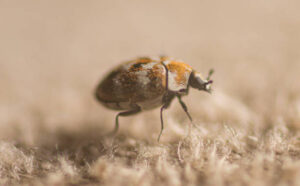
Bed bugs are small, reddish-brown oval insects about the size of an apple seed, which are visible to the eye.
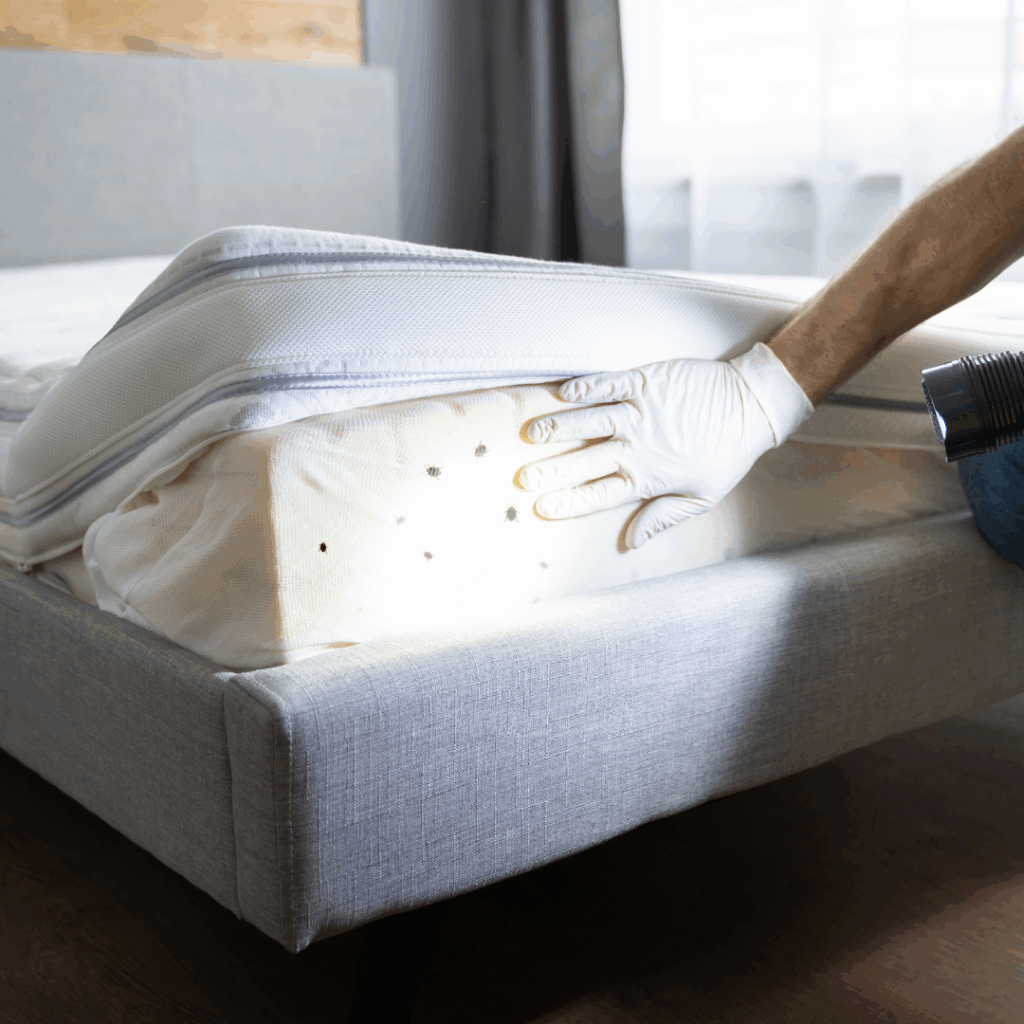
Often, confirming a bed bug infestation requires spotting physical evidence they leave behind, such as clusters of dark brown fecal spots, and itchy, red bite marks arranged in lines or clusters on your skin.
Adult bed bugs will swell and turn a deeper red after feeding, making them easier to spot when active.
It’s important to inspect for bed bugs behind upholstery, headboards, and electrical outlets or baseboards.
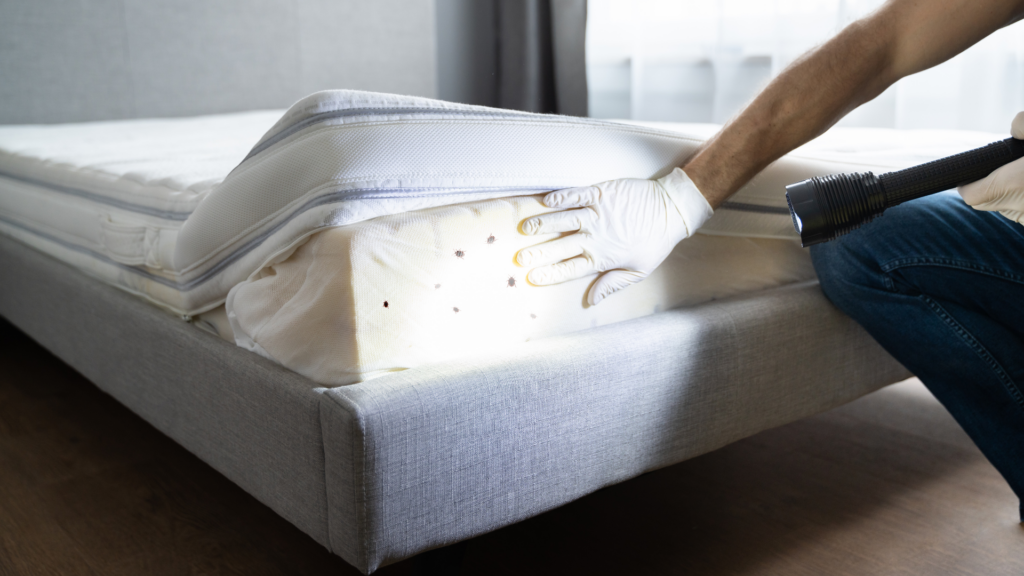
While adult bed bugs are visible to the naked eye, they are nocturnal and tend to nest behind mattress seams, box springs, and headboards during the day.
For this reason, it’s important to conduct a professional bed bug inspection to confirm whether bed bugs have spread behind your walls or to other areas of your property.
What Is the Fastest Way to Kill Bed Bugs In North Georgia?
The fastest way to kill bed bugs in North Georgia is through professional thermal remediation (heat treatment), which eliminates all bed bugs in a single day.
Alternatively, targeted chemical treatments with EPA-approved pesticides provide immediate knockdown, though they often require multiple applications to overcome insect resistance.
1. Heat Treatment
Heat treatment works by raising indoor temperatures to a lethal range of 120°F to 140°F.
Heat treatment is completely safe for your property and considered a non-toxic method effective against all bed bug stages, including their eggs.
Whole home thermal treatments use industrial heaters to treat entire residential or commercial structures in a single day.
Smaller applications, such as using steam to treat infested furniture, use the same principles.
While quick and highly effective, heat treatments do not offer long-term protection against bed bugs.
2. Chemical Treatments
Chemical treatments utilize EPA-approved liquid sprays, aerosols, or dusts deployed directly into cracks, crevices, and known harborages to drive bed bugs out of concealment and eliminate them on contact.
Unfortunately, many local bed bug populations in North Georgia have developed strong biological resistance to traditional pyrethroid solutions, complicating eradication efforts.
To successfully combat these resistant strains, modern pest management strategies require alternating chemical classes or deploying dual-action synthetic blends to break the breeding cycle.
It is highly recommended to work with a licensed professional for safe and thorough application.
Is it Possible to Kill Bed Bugs with One Treatment?
It is possible to significantly reduce bed bug populations with one professional heat treatment.
Even after treatment, your pest control company will conduct an inspection to ensure full eradication.
While considered the fastest treatment, heat remediation is not always an option for some property owners.
For commercial properties with multiple units, chemical treatments are often the only available option, as residents would need to abandon the building while treatment was occurring.
How to Prevent Bed Bugs in North Georgia
While there is no foolproof way to prevent bed bugs, the best approach in North Georgia is to adopt smart travel and hygiene habits to reduce your risk of exposure.
Some tips we recommend for residents looking to avoid bed bugs in the future include:
- Inspect Travel Lodgings: Before unpacking at any hotel or North Georgia mountain cabin, check the mattress seams, headboards, and upholstery for tiny rust-colored spots or live insects. Always keep your luggage elevated on a metal rack rather than on the floor.
- Lunder Immediately After Trips: As soon as you return home from traveling, place all your clothing directly into the wash and run them through a high-heat dryer cycle for at least 30 minutes to eliminate any hidden pests.
- Encase Mattresses and Box Springs: Install high-quality, zippered encasements specifically labeled for bed bug protection on all beds to eliminate potential nesting sites and make early detection significantly easier.
- Declutter and Seal Hiding Spots: Reduce excess clutter around sleeping areas to minimize harborages, and use caulk to seal small cracks along baseboards, moldings, and electrical outlets where insects could travel between walls.
- Examine Secondhand Furniture: Thoroughly inspect any used couches, chairs, or bed frames before bringing them into your home, and completely avoid roadside items that may have been discarded due to an active infestation.
Even with strict preventive measures, early detection remains your secondary line of defense before a few hitchhikers become a widespread issue.
Homeowners should regularly inspect bedding during routine sheet changes, looking for telltale signs such as small, unexplained blood spots on linens, tiny dark fecal drops resembling black pepper, or discarded insect skins.
Ultimately, combining consistent preventative habits with immediate professional intervention at the first sign of activity is the only foolproof way to keep your North Georgia home permanently bed bug-free.
FAQs
What DIY methods kill bed bugs instantly and permanently?
While completely eliminating an infestation yourself is challenging, a high-heat steam cleaner is the most effective DIY tool to kill bed bugs and their eggs on contact. To support this, you must wash and dry all clothing on high heat, treat and seal cracks in walls or furniture, and safely dispose of heavily infested items.
Can DIY bed bug treatments be harmful?
Yes, DIY treatments carry risks. Misusing over-the-counter pesticides can expose your family and pets to dangerous chemicals. Furthermore, ineffective DIY methods often fail to kill the entire colony, causing the remaining bed bugs to scatter and worsen the infestation.
What is the strongest thing to kill bed bugs?
Professional-grade chemical treatments and specialized whole-house heat treatments are the most potent solutions available. These methods penetrate deep into walls, mattress seams, and crevices where standard over-the-counter products cannot reach.
What kills bed bugs and eggs instantly?
Heat treatment is the gold standard for instantly destroying bed bugs and their eggs. Raising the temperature of an affected area above 120°F eradicates bed bugs at every stage of their life cycle. Professional pest control services use specialized commercial equipment to evenly distribute heat and monitor temperatures, ensuring a safe and thorough treatment.
How quickly can bed bugs multiply?
Bed bugs reproduce at an alarming rate. A single female can lay hundreds of eggs in her lifetime, and a minor issue can escalate into a massive, multi-room infestation within just a few weeks. This rapid lifecycle makes immediate professional intervention crucial.
Do bed bugs hide in places other than beds?
Absolutely. Despite their name, bed bugs will hide anywhere dark and undisturbed. They are commonly found inside electrical outlets, behind baseboards, under wallpaper, in curtain folds, and even inside electronics or picture frames near their host.
How do I know if my bed bug treatment was successful?
Generally, an infestation is considered resolved if you experience no new bites, see no live bugs, and find no fresh signs (like blood spots or fecal stains) for at least three to four consecutive weeks after your final treatment.