

Spring Pest Control: How Homeowners Can Prepare Before Bugs Take Over
Spring is just weeks away, and for many homeowners that brings a familiar mix of excitement and frustration. Longer days, warmer weather, more time outside, and the return of sports seasons are all welcome changes. Unfortunately, spring also marks the start of peak pest activity. As temperatures rise, insects and rodents become more active, begin searching for food and water, and look for entry points into homes.
This is why spring pest control is one of the most important steps homeowners can take each year. Early action can dramatically reduce infestations, limit damage, and prevent small issues from turning into costly problems later in the season.
Professional pest control exists because prevention works best when it starts early. While treating active infestations is part of the job, the real value of spring pest control is stopping pests before they get comfortable.
Below is a comprehensive, homeowner-friendly guide to spring pest control, including prevention tips, commonly searched spring pest concerns, and practical steps you can take right now.
Why Spring Pest Control Matters More Than Any Other Season
Spring is the reset button for pest populations. Many insects overwinter in soil, wall voids, crawl spaces, and outdoor debris. Once temperatures stabilize, these pests emerge to feed, reproduce, and expand their territory.
Highly searched spring pest control questions across Google, Reddit, and YouTube include:
- Why are ants suddenly in my house in spring?
- What bugs come out in early spring?
- How do I prevent bugs before summer?
- Is spring the best time for pest control?
- Why do roaches show up after winter?
Spring pest control targets these exact concerns. Addressing them early reduces the need for aggressive treatments later in summer when infestations are harder to control.
Common Pests Homeowners See During Spring
Spring pest control focuses on predictable patterns. While pest species vary by region, homeowner concerns are remarkably consistent nationwide.
Common spring pests include:
- Ants entering kitchens, bathrooms, and basements
- Spiders moving indoors as insects increase outside
- Cockroaches emerging from wall voids and drains
- Termites beginning swarm activity
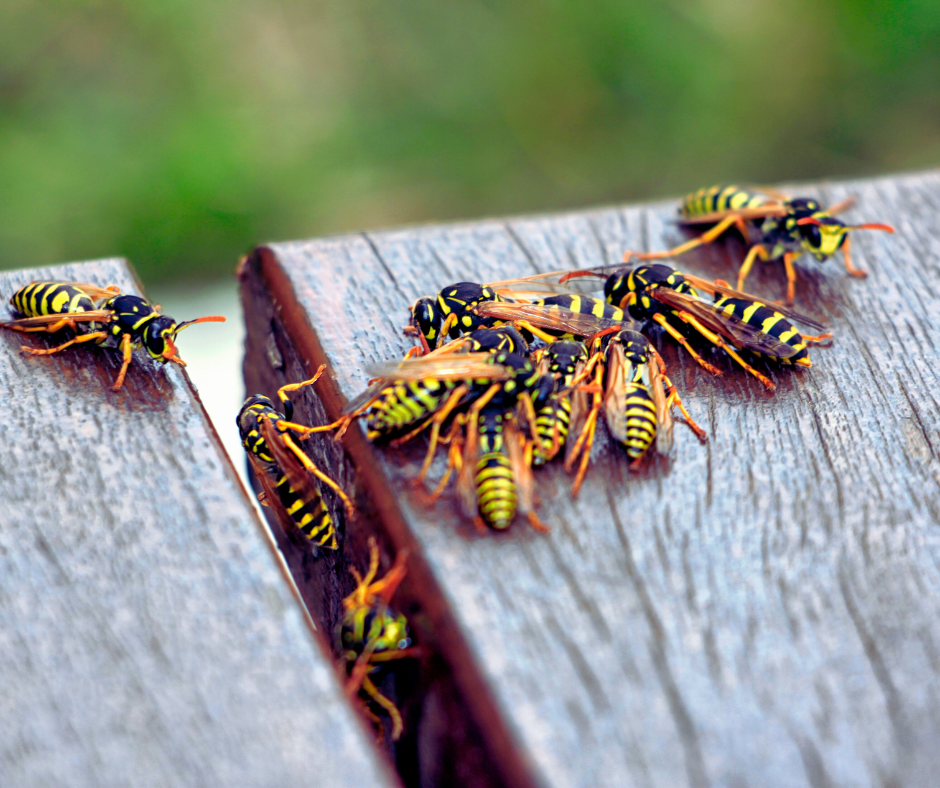
- Wasps scouting for nesting locations
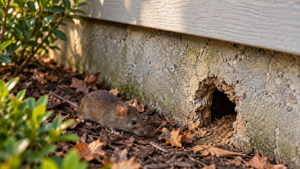
- Rodents becoming more visible as food sources change
Understanding these patterns allows homeowners to prepare rather than react.
8 Practical Spring Pest Control Tips for Homeowners
1. Keep Your Yard Well Maintained
A manicured yard is not just about appearance. Overgrown grass, leaf piles, and unmanaged landscaping create ideal breeding grounds for insects. Spring pest control starts outside, long before bugs reach your front door.
2. Remove Outdoor Debris
Cardboard, fallen branches, stacked wood, and unused materials attract insects and rodents. Many homeowners discover infestations after lifting items that have been sitting on soil through winter.
3. Start Pest Control Before You See Bugs
One of the most searched spring pest control phrases is “prevent bugs before summer.” Preventative treatments are far more effective than reactive ones. Once pests establish themselves indoors, removal becomes more complex.
4. Eliminate Standing Water
Water is essential for pest survival. Birdbaths, clogged gutters, plant saucers, and low spots in the yard are common springtime pest magnets. Reducing moisture is a cornerstone of effective spring pest control.
5. Seal Entry Points
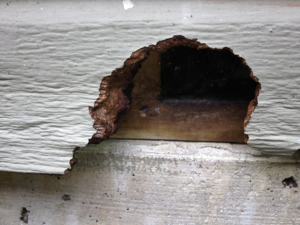
Pests only need a small opening to enter a home. Spring is the best time to inspect door seals, window frames, foundation gaps, and utility penetrations. Sealing these areas significantly reduces indoor pest activity.
6. Limit Outdoor Food Sources
Bird feeders, pet food, and fallen fruit attract insects first, then rodents. While wildlife may be enjoyable to watch, consistent food sources near the home increase pest pressure.
7. Maintain a Clean Indoor Environment
Crumbs, spills, and unsealed food containers quickly attract ants and roaches. Spring pest control inside the home focuses on reducing attractants before populations grow.
8. Replace Cardboard Storage With Plastic Bins
Cardboard absorbs moisture and provides food for pests like silverfish and cockroaches. Plastic storage bins are far less attractive and reduce hidden infestations in garages and attics.
Spring Pest Control Checklist for Homeowners
| Area of the Home | Spring Pest Control Action | Why It Matters |
|---|---|---|
| Yard and Landscaping | Trim vegetation, remove debris | Reduces breeding and nesting areas |
| Exterior Foundation | Seal cracks and gaps | Blocks pest entry points |
| Gutters and Drainage | Clear debris, improve flow | Prevents moisture buildup |
| Kitchen and Pantry | Clean spills, seal food | Eliminates food sources |
| Garage and Attic | Replace cardboard storage | Reduces hidden infestations |
| Perimeter Treatment | Apply preventative pest control | Stops pests before entry |
This checklist aligns closely with top homeowner search behavior and AI-generated pest prevention summaries.
Why DIY Alone Often Falls Short in Spring
Another highly searched term is “DIY spring pest control.” While basic prevention steps are helpful, DIY solutions often fail to address hidden nesting areas, seasonal pest biology, and reentry points.
Professional spring pest control:
- Targets pests before reproduction peaks
- Uses treatments designed for seasonal activity
- Creates a protective barrier around the home
- Monitors changes as
- Adjusts treatments as conditions shift
Spring pest control is not about reacting to bugs you see. It is about controlling the ones you do not.
Spring Pest Control FAQs
Is spring really the best time for pest control?
Yes. Spring pest control stops pests before population growth accelerates in summer. Early treatments are more effective and require less intervention later.
Why do ants come inside during spring?
Ants follow moisture, warmth, and food. Spring rain and rising temperatures push colonies to expand, often into homes.
How often should spring pest control be done?
Most homes benefit from an early spring treatment followed by routine maintenance through warmer months.
Can spring pest control prevent summer infestations?
In many cases, yes. Preventative treatments dramatically reduce the likelihood of major summer pest issues.
Do I need pest control if I do not see bugs yet?
Yes. The absence of visible pests does not mean they are not present. Spring pest control focuses on prevention, not just treatment.
Taking the Next Step With Spring Pest Control
Spring is the foundation season for pest management. What homeowners do now determines how manageable pest activity will be throughout the rest of the year. Consistent spring pest control reduces stress, protects property, and creates a healthier living environment.
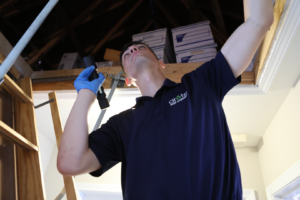
If you want help creating a proactive plan, a professional inspection can identify risk areas, seasonal threats, and opportunities for prevention before pests become a problem. Arete Pest Control helps homeowners take control early, using proven spring pest control strategies designed to protect homes before pest pressure peaks.