
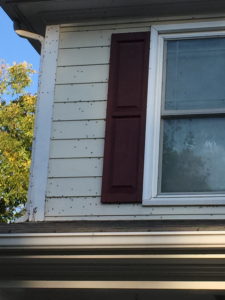
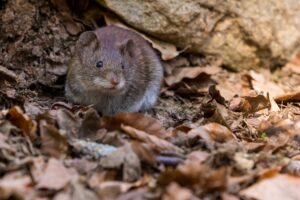
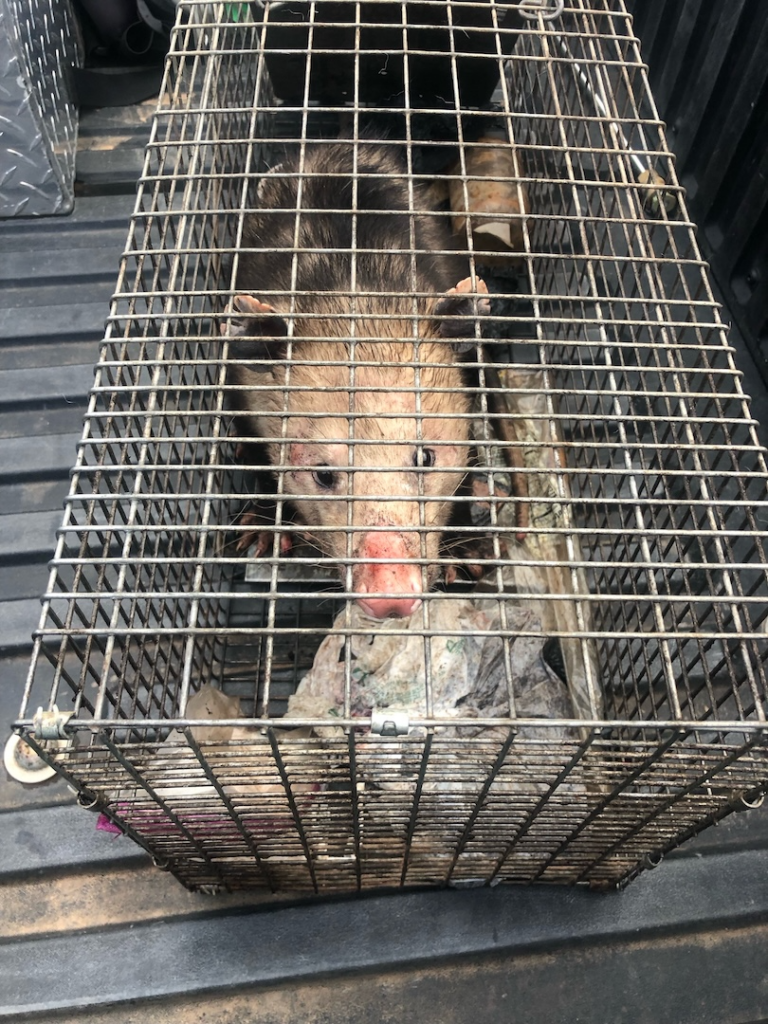
You can usually identify wildlife in your home by four clues: when you hear activity, what the droppings look like, the damage pattern, and where the entry point is.
This matters because each animal needs a different removal approach, and some species carry real health risks.
This guide helps homeowners in the Dacula area narrow down the animal and decide what to do next.
If the signs point to a serious problem, Arete handles raccoon removal, squirrel removal, and bat removal with humane methods.
How to Tell What Animal Is in Your Home
Start with four questions. Together they point to the most likely culprit.
When Do You Hear Activity?
Time of day is one of the strongest clues. The University of Georgia Extension notes that attic noise at night usually means mice, bats, or flying squirrels, while attic noise during the day usually means gray squirrels.
Noise inside a wall is often mice. Noise in a chimney points to a squirrel, raccoon, bird, or bat.
What Do the Droppings Look Like?
Droppings help confirm the species. Size, shape, and location all matter.
Large droppings in an attic suggest raccoons. Small, scattered pellets near a roofline suggest bats or rodents.
What Is the Damage Pattern?
According to UGA Extension, damage that appears overnight points to nocturnal animals like raccoons, skunks, and opossums. Damage that appears during the day points to diurnal animals like squirrels, chipmunks, and woodchucks.
Chewed wiring and gnawed wood point to squirrels or rodents. Lawn tunnels and surface runways point to voles or moles.
Where Is the Entry Point?
The location of the opening narrows it further. Roofline and gable gaps suggest squirrels or bats. Ground-level burrows suggest skunks, opossums, or ground wildlife.
Identify Wildlife by Sound and Time of Day
Use this table to match what you are hearing to the likely animal.
| What and When You Hear It | Likely Animal |
| Attic noise during the day | Gray squirrels |
| Attic noise at night | Mice, bats, or flying squirrels |
| Noise inside a wall | Mice |
| Noise in the chimney | Squirrel, raccoon, bird, or bat |
| Heavy thumping or dragging at night | Raccoon |
| Scratching or digging at ground level | Skunk or opossum |
Identify Wildlife by Droppings and Damage
Physical signs confirm what the sounds suggest.
| Sign You Find | Likely Animal |
| Chewed wiring or gnawed wood | Squirrels or rodents |
| Large droppings in the attic | Raccoon |
| Small pellets near roofline gaps | Bats or mice |
| Lawn tunnels and surface runways | Voles or moles |
| Burrow under a deck or shed | Skunk or opossum |
| Strong, lingering odor near the den | Skunk |
If you still cannot tell, UGA Extension suggests placing a wildlife camera near the damage to capture the animal.
Match the Animal to the Right Response
Once you know the animal, you can decide how to act. Some situations are safe to handle with prevention. Others require a licensed professional.
| Animal | DIY Prevention? | Why |
| Voles / moles | Often yes | Outdoor control and habitat changes help |
| Squirrels (in attic) | Limited | Exclusion needed; chewing risks wiring |
| Raccoons | No | Rabies risk; strong; young in spring |
| Bats | No | Protected; rabies risk; 1/4-inch gaps |
| Skunks | No | Rabies vector; spray risk |
| Opossums | Limited | Eviction and sealing usually needed |
Once you have narrowed it down, you can read more about the specific approach for opossum removal, skunk removal, and vole and ground wildlife removal.
For the species that carry disease risk, the CDC advises keeping your distance and letting trained handlers manage removal.
Why Correct Identification Matters Before Treatment
Treating the wrong animal wastes time and money, and it can be dangerous.
Bat work must follow seasonal rules and use exclusion rather than trapping. Raccoon and skunk work involves rabies-vector handling. Squirrel work centers on exclusion before the gnawing causes a fire.
A correct identification points to the right method, the right timing, and the right safety steps.
From Clues to a Clear Answer
You can get a long way on your own by reading the four clues: when you hear activity, what the droppings look like, the damage pattern, and the entry point.
Time of day alone narrows the field fast. Daytime attic noise usually means squirrels, while nighttime noise usually means bats or flying squirrels.
Identification is the part homeowners can do. Removal of a confirmed animal, especially a rabies-vector species, is the part to leave to a licensed professional.
If the signs point to raccoons, bats, or skunks, the safest next step is a professional inspection rather than a DIY trap.
FAQ
How do I know if it is a squirrel or a rat in my attic?
Timing helps. Gray squirrels are active and noisy during the day. Rats and flying squirrels are active at night.
What animal makes scratching noises at night?
Nighttime attic scratching is often mice, bats, or flying squirrels. Heavier thumping at night points to raccoons.
How can I tell what animal is digging in my yard?
Surface tunnels and runways point to voles or moles. Burrows under a deck or shed point to skunks or opossums.
Is it safe to inspect the attic myself?
You can look and listen from a safe distance, but do not handle droppings or corner an animal. Droppings and wildlife can carry disease.
Why does identifying the animal matter so much?
Each species needs a different legal and humane approach. Bats require exclusion and seasonal timing, while raccoons and skunks require rabies-vector handling.
What should I do once I think I know the animal?
Confirm it with a professional inspection before setting traps. To schedule, contact Arete Pest Control.