
If you have raccoons in the attic, squirrels in the walls, or bats roosting in your Dacula home, hiring a licensed wildlife professional is almost always the right call.
Georgia law restricts how nuisance wildlife can be trapped and relocated. Several common species carry rabies, and removing an animal without sealing the entry points usually causes the problem to return.
This guide covers what professional wildlife removal includes for homes in the Dacula area, the laws every homeowner should know, and how to choose the right company.
Arete handles the full range of local wildlife, including raccoon removal, squirrel removal, and bat removal, with humane methods built around each species.
When Does a Wildlife Problem Require a Professional?
Wildlife in the yard is normal. Wildlife inside your home, under your foundation, or damaging your property is a problem that rarely solves itself.
Signs You Need Wildlife Removal Now
Scratching, scampering, or thumping sounds in the attic, walls, or crawl space, especially at dawn or dusk.
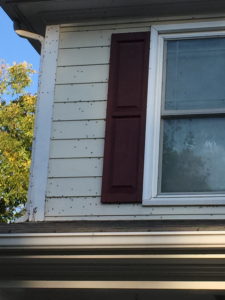
Visible entry holes in soffits, rooflines, vents, or the foundation.
Droppings, nesting material, or a strong ammonia smell in the attic or crawl space.
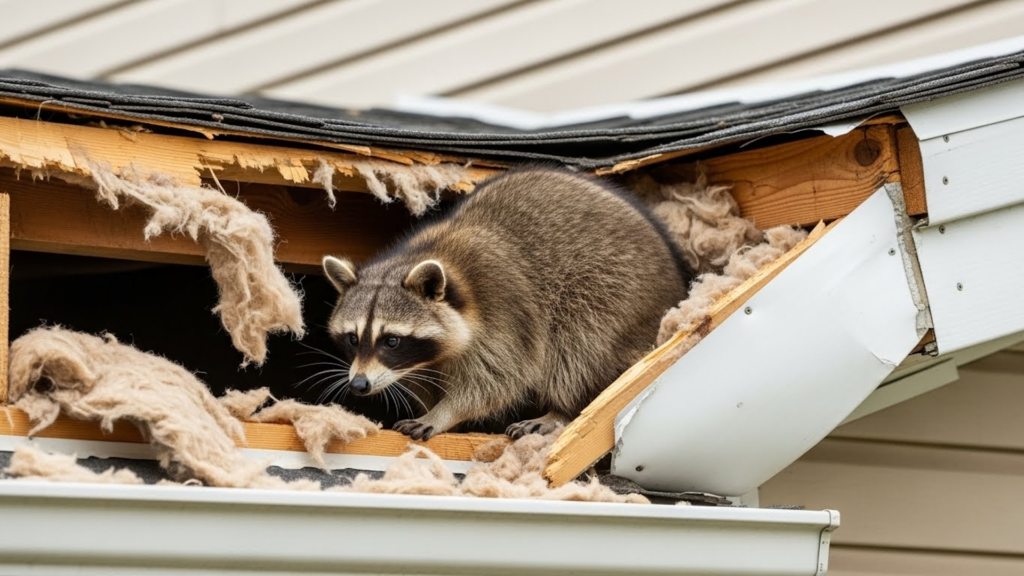
Damaged insulation, chewed wiring, or torn ductwork.
Repeated daytime sightings of animals that are usually active at night, which can be a sign of illness.
Why DIY Trapping Is Risky and Often Illegal in Georgia
Georgia regulates nuisance wildlife under Title 27 of the state code. You cannot simply trap an animal and release it somewhere else.
The Georgia Department of Natural Resources requires a permit to relocate many species, and relocating certain animals like raccoons is restricted to prevent the spread of disease.
Licensed Nuisance Wildlife Control Operators are authorized to live-trap, transport, and release wildlife. Private homeowners acting on their own are not granted that same authority.
There is also a humane issue. In spring, females often have dependent young hidden in attics or dens. Removing the mother without the babies leaves them to die inside your walls, creating odor and insect problems.
What Does Professional Wildlife Removal in Dacula Include?
Removal is only one part of the job. A complete service stops the current problem and prevents the next one.
Inspection and Species Identification
Every job starts with an inspection. The technician identifies the species, finds entry points, and locates nests or young.
This matters because each animal requires a different approach. The plan for bats is not the plan for raccoons.
Humane Trapping and Removal
Licensed operators use humane methods to capture and remove the animal. For some species, this means live trapping. For others, it means one-way exclusion devices that let animals leave but not return.
When young are present, a good technician removes them with the mother whenever possible.
Exclusion and Entry-Point Sealing
Exclusion is the step that prevents re-entry. The technician seals gaps, reinforces soffits and vents, and caps potential access points.
Without exclusion, new animals move into the same spaces the old ones used. This is why removal alone does not solve the problem.
Cleanup, Sanitation, and Damage Repair
Wildlife leaves behind droppings, urine, parasites, and damaged materials. Some droppings carry health risks, such as the fungus that causes histoplasmosis in bat guano.
Professional service includes cleanup and sanitation of the affected area, plus repair of damaged insulation or entry points.
Common Nuisance Wildlife in Northern Georgia
Several species cause most of the wildlife calls around Dacula. Here is what to know about each.
Raccoons
Raccoons are strong, dexterous, and drawn to attics and chimneys, especially when females are looking for a safe place to den in spring.
They are one of the top rabies carriers in the eastern United States. The CDC reports that raccoons account for roughly 29 percent of rabies cases in U.S. wildlife.
Because of disease risk and their strength, raccoons should be handled by a professional. Learn more about raccoon removal.
Squirrels
Squirrels enter attics through roofline gaps and gnaw constantly to manage their teeth. That gnawing often targets wiring, which creates a fire risk.
They are most active at dawn and dusk, which is when homeowners usually hear them. See squirrel removal for how the process works.
Bats
Bats are the leading source of human rabies cases in the United States, and they can squeeze through openings as small as a quarter inch.
Their droppings can harbor a fungus that causes respiratory illness. Bats are also protected during maternity season, so timing and method matter.
Bat work requires exclusion, not extermination, and must follow specific seasonal rules. See bat removal for details.
Opossums
Opossums rarely carry rabies because of their low body temperature, and they actually eat ticks and other pests.
They become a nuisance when they den under decks, sheds, or in crawl spaces. Removal focuses on eviction and sealing the space. See opossum removal.
Skunks
Skunks den under porches, decks, and sheds, and they dig in lawns searching for grubs.
They are a rabies vector species in Georgia, and their spray is both unpleasant and difficult to remove. Professional handling avoids both the bite risk and the spray. See skunk removal.
Voles and Ground Wildlife
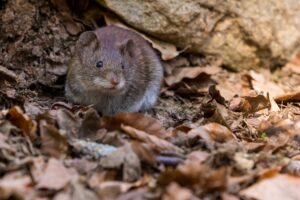
Voles, moles, chipmunks, and armadillos damage lawns, gardens, and foundations with tunnels, runways, and burrows.
These ground-dwelling animals are easy to overlook until the damage is widespread. See vole and ground wildlife removal for control options.
Other Wildlife Common in North Georgia
Homeowners in the Dacula area also encounter chipmunks, armadillos, snakes, and the occasional groundhog or beaver near water.
A wildlife professional can identify the species and recommend the right legal, humane approach for each.
Nuisance Wildlife at a Glance
| Animal | Where They Get In | Main Concern | Rabies Vector? |
| Raccoon | Attics, chimneys | Disease, strength, damage | Yes (high risk) |
| Squirrel | Roofline gaps, soffits | Chewed wiring, fire risk | Rarely |
| Bat | Gaps as small as 1/4 inch | Rabies, guano illness | Yes (highest) |
| Opossum | Under decks, crawl spaces | Nesting, mess | Rarely |
| Skunk | Under porches, sheds | Spray, lawn digging | Yes |
| Voles / ground wildlife | Lawns, gardens, foundations | Tunnels, plant damage | Rarely |
Georgia Wildlife Laws Every Homeowner Should Know
Knowing the basics protects you from fines and helps you ask the right questions when hiring.
- Relocation is restricted. Moving many species, including raccoons, requires a permit. The University of Georgia Extension notes that relocating nuisance wildlife is often discouraged or illegal and frequently just shifts the problem elsewhere.
- Rabies vector species have special rules. Raccoons, skunks, foxes, bobcats, and coyotes are classified as rabies vectors. If one bites or scratches a person or pet, the health department must be contacted.
- Licensing is required. Only licensed operators may live-trap, transport, and release nuisance wildlife. This is one reason DIY removal carries legal risk.
- Dependent young must be considered. Operators are required to make reasonable efforts to remove young along with the adult, which is especially important in spring.
- Some animals are off-limits. Nuisance permits do not cover deer, bear, turkey, waterfowl, or alligators. These require separate handling through the state.
What to Ask Before Hiring a Wildlife Removal Company
Use these questions to separate a thorough company from a trap-and-go operation.
- Are you licensed in Georgia? Ask for proof of a Nuisance Wildlife Control Operator license.
- Do you use humane methods? A good company explains its trapping and exclusion approach and how it handles young animals.
- Is exclusion included? Removal without sealing entry points means the problem returns. Confirm exclusion is part of the plan.
- Do you handle cleanup and repair? Ask whether droppings, contamination, and damaged materials are addressed.
- Do you offer a warranty? Reputable companies guarantee their exclusion work for a set period.
- What is the full written estimate? Get the species, the scope, the cleanup, the repairs, and the warranty in writing before work begins.
How Much Does Wildlife Removal Cost in Dacula?
Cost depends on the species, the severity, the location of the animals, and the amount of exclusion and cleanup required.
Simple single-animal removals are at the lower end. Bat colonies, attic infestations, and jobs requiring extensive exclusion and sanitation cost more.
Because every situation is different, the most reliable number comes from an on-site inspection. Be cautious of any company that quotes a firm price without seeing the property.
Making the Right Call on Wildlife Removal
Wildlife in your home is not a problem that waits. Raccoons, squirrels, bats, and skunks cause structural damage, carry disease, and multiply when females nest in spring.
In Georgia, the decision is rarely DIY. State law restricts how nuisance animals can be trapped and relocated, and several common species are rabies vectors that require licensed handling.
A professional service does more than remove the animal. It identifies the species, removes any young, seals the entry points, and cleans up the contamination left behind. That combination is what keeps the problem from coming back.
If you are dealing with active wildlife, the fastest path to a lasting fix is an inspection from a licensed operator. The table below answers the questions homeowners ask most before they call.
FAQs
Can I trap and relocate wildlife myself in Georgia?
In most cases, no. Georgia restricts relocating many species and requires a license to trap, transport, and release nuisance wildlife.
Doing it yourself can carry legal penalties and often fails because entry points are left open.
What animals carry rabies in Georgia?
Raccoons, skunks, foxes, bobcats, and coyotes are the main rabies vector species. Bats are the leading source of human rabies cases nationwide.
Opossums and squirrels rarely carry rabies.
Why does the animal keep coming back after I remove it?
Because the entry point is still open. Wildlife uses the same gaps and den sites repeatedly.
Exclusion, which seals those access points, is what stops the cycle.
Is wildlife removal safe for my pets and family?
Professional removal is far safer than DIY attempts. Licensed operators handle disease risk, bites, and spray exposure with the right equipment and training.
What time of year is wildlife worst in Dacula?
Spring is peak season because females seek out attics and dens to raise young. Fall is a second busy period as animals look for warm winter shelter.
How do I get started?
Schedule an inspection. A licensed technician identifies the species, finds the entry points, and recommends a removal and exclusion plan.