
Mosquitoes in Georgia
Overview of Mosquitoes in Georgia
Mosquitoes in Georgia are a major nuisance, especially during the long, humid summer months. These pests not only leave behind itchy bites, but also pose serious health risks by spreading dangerous diseases.
Georgia’s warm, wet climate creates ideal breeding conditions for mosquitoes. Professional pest control is often necessary to keep mosquito populations in check and outdoor spaces safe.
For more pest resources, visit our full Pest Library.
Common Mosquitoes in Georgia
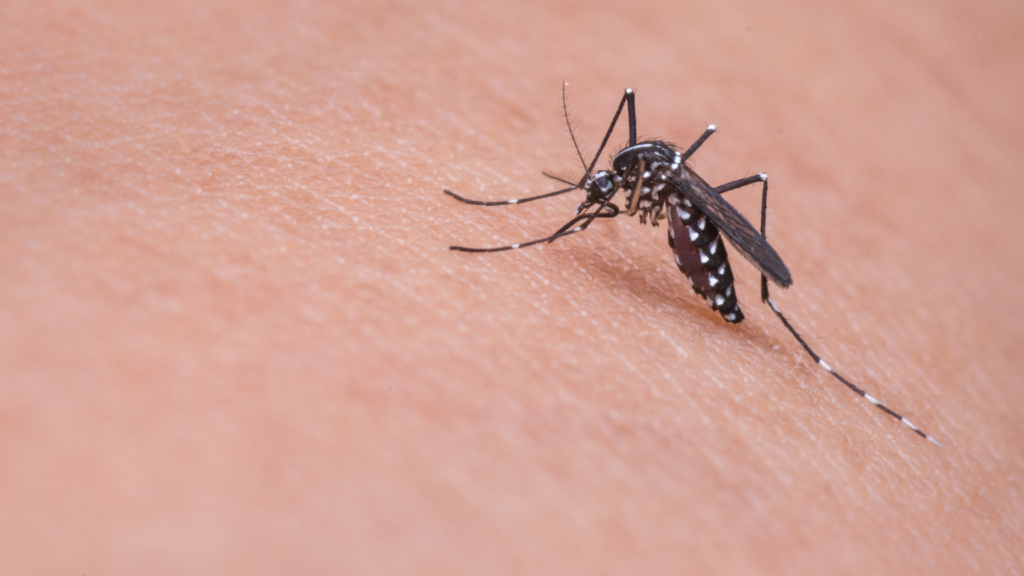
Mosquitoes are small flying insects with slender bodies, long legs, and a needle-like mouthpart for feeding on blood.
In Georgia, the most common species include:
Aedes mosquitoes:
- Aggressive daytime biters
- Known carriers of Zika, dengue, and chikungunya
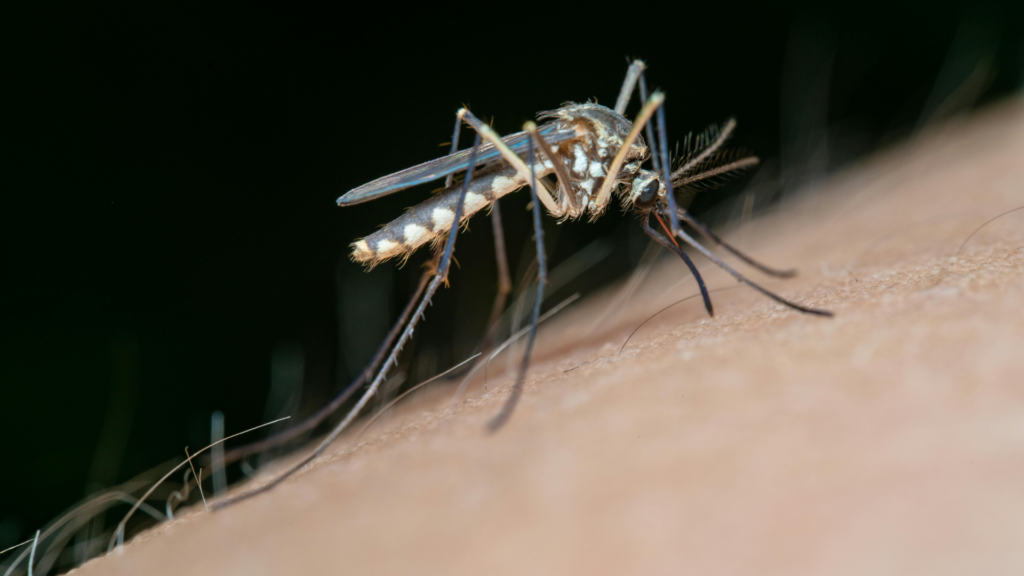
Culex mosquitoes:
- Primarily bite at night
- Can transmit West Nile virus and other illnesses
Like fire ants in Georgia, mosquito activity often surges after rainfall, when the environment supports rapid breeding and population growth.

Where You’ll Find Them
Mosquitoes breed in stagnant water and rest in shady, sheltered areas. Common spots include:
- Birdbaths and clogged gutters
- Flower pots and buckets
- Old tires and pet bowls
- Overgrown shrubs and lawn edges
- Children’s toys and plastic containers
- Ponds, ditches, and marshy areas
Even small amounts of water — as little as a bottle cap — can support mosquito breeding.
Life Cycle of Mosquitoes
Mosquitoes develop through four stages: egg, larva, pupa, and adult.
- Females lay eggs in stagnant or slow-moving water
- Larvae and pupae remain in water until they mature
- Under warm conditions, mosquitoes can develop from egg to adult in just 7–10 days
Without eliminating standing water, mosquito populations can grow rapidly during Georgia’s rainy season.
Mosquito Prevention Tips for Georgia Homes
To reduce mosquito activity around your home:
- Remove standing water weekly from containers, birdbaths, and buckets
- Clean out clogged gutters
- Trim back overgrown vegetation and mow regularly
- Repair window and door screens
- Use outdoor fans on patios to deter mosquitoes
- Apply EPA-approved insect repellents when outside
While DIY sprays may offer temporary relief, professional control is required for lasting results.

Frequently Asked Questions
Are mosquitoes in Georgia dangerous?
Yes. They can transmit diseases such as West Nile virus, Zika virus, and Eastern Equine Encephalitis.
How long is mosquito season in Georgia?
Mosquito season usually runs from March through October, depending on weather conditions.
Can I completely eliminate mosquitoes on my own?
You can reduce breeding sites, but full control typically requires professional treatments.
How often should I have my yard treated for mosquitoes?
Monthly treatments during mosquito season are recommended for consistent protection.
Professional Mosquito Control in Georgia
Arete Pest Control offers effective mosquito control in Georgia, targeting adult mosquitoes and larvae to reduce populations around your home.
Our mosquito control program includes:
- Full property inspection to locate breeding sites
- Larvicide applications in standing water
- Barrier spray treatments for foliage and high-activity areas
- Monthly service plans during peak mosquito season
Contact Arete Pest Control today to protect your outdoor space from mosquitoes and enjoy a safer, more comfortable yard.