

Georgia homes need pest control in winter because the state’s mild cold does not kill off the pests that matter, it pushes them indoors. Mice, roof rats, German cockroaches, spiders, and silverfish all stay active inside heated walls and crawlspaces from December through February, and the quarterly treatment cycle that protects your home in summer is what keeps that barrier intact while they are looking for a way in.
This guide covers which pests stay active indoors in a Georgia winter, what a winter pest visit actually does, what pausing a plan costs compared with continuing it, when a one-time winter treatment makes sense, and how to book. If you are deciding whether to keep your protection plan going through the cold months, everything below is built around that decision.
Which Pests Stay Active Indoors in a Georgia Winter
North Georgia winters average lows in the 30s with a handful of hard freezes, and that is not enough to clear a house of pests. UGA Cooperative Extension notes that as temperatures drop, people and pests head indoors together, with insects and rodents seeking the same warmth, moisture, and food that make a home comfortable. Once inside, a heated wall void or a crawlspace that stays above 50 degrees lets them keep feeding and breeding through the coldest weeks.
The pests below are the ones Arete technicians find most often during winter visits across Gwinnett, Forsyth, and North Fulton homes. Each one shelters in a different part of the house, which is why a winter visit has to cover more than the kitchen.
| Pest | Where It Shelters in Winter | Why It Stays Active |
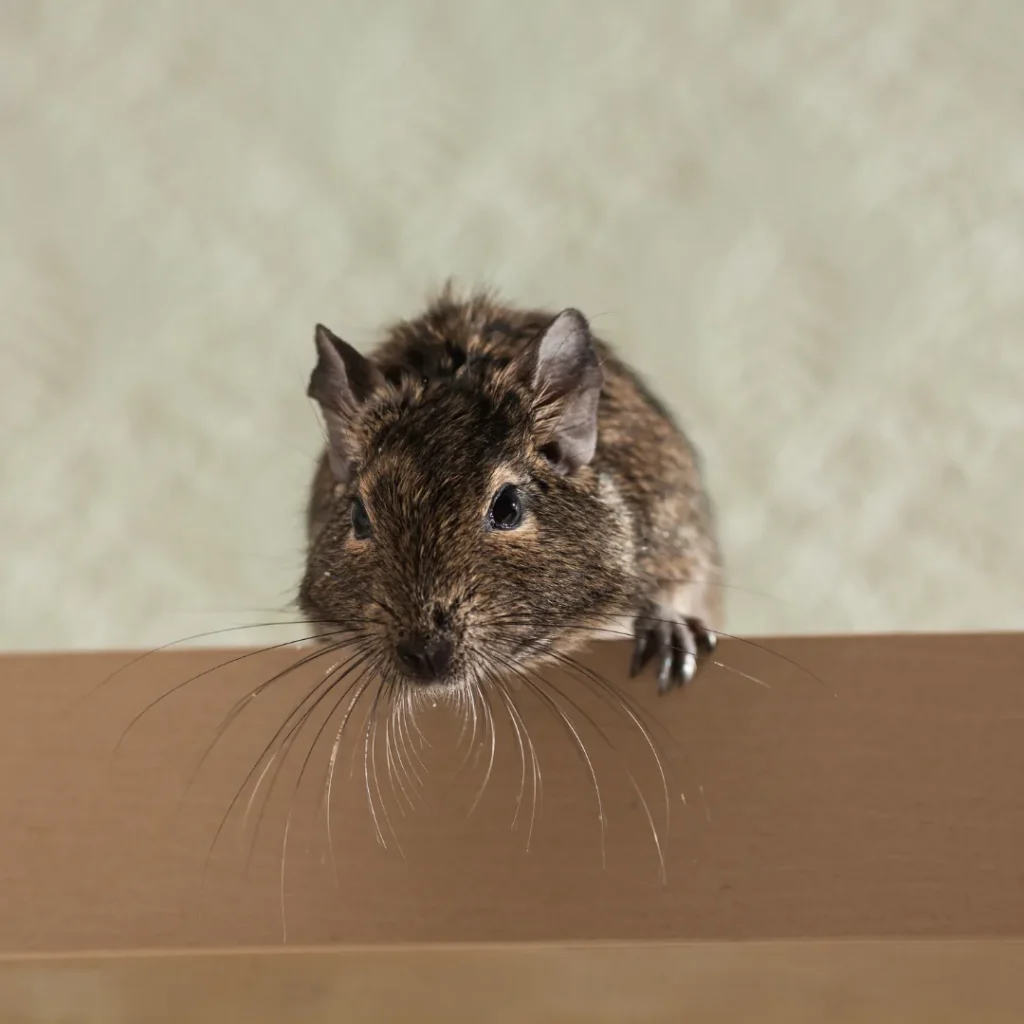
| Mice and roof rats | Attics, wall voids, garages, behind appliances | Heated structures let them breed year-round; a female mouse can produce a litter every three to four weeks |
| German cockroaches | Kitchens, bathrooms, behind refrigerators and dishwashers | Indoor temperatures and plumbing moisture keep colonies growing in any season |
| Spiders | Basements, closets, garages, window corners | Follow the insects they eat indoors and keep hunting |
| Silverfish | Attics, bathrooms, storage boxes, bookshelves | Feed on paper, glue, and starch in stored items |
| Argentine ants | Wall voids, under slabs, near water heaters | Colonies move nests indoors or against warm foundations when soil cools |
| Stink bugs and lady beetles | Attic spaces, behind siding, around window frames | Overwinter in a dormant state and emerge on warm days |
| Subterranean termites | Soil beneath the slab and crawlspace | Georgia soil rarely gets cold enough to stop them feeding |
Argentine ants deserve a special mention. UGA’s publication on Argentine ants explains that colonies relocate in response to temperature and moisture, which is why a trail that disappeared from the patio in October can show up along a kitchen baseboard in January. The ants did not die. They moved closer to the heat.
What a Winter Pest Visit Actually Does
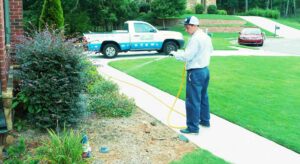
A winter visit is not a lighter version of a summer visit. It shifts the emphasis from knocking down outdoor activity to protecting the structure itself. The technician walks the exterior first, checking the foundation line, weep holes, utility penetrations, and garage door seals for new gaps or signs of rodent gnawing, since the entry points that matter most in winter are the ones rodents and overwintering insects can use.
The exterior perimeter barrier is reapplied along the foundation and around doors and windows. Residual products are formulated to hold for roughly 90 days, so the application from your fall visit has thinned by the time December arrives, and skipping the winter application leaves the house unprotected until spring. Cooler temperatures actually extend how long the barrier lasts, which makes winter one of the most efficient times to refresh it.
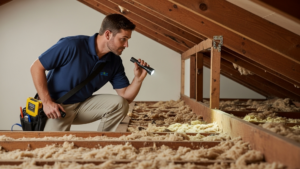
Inside, the technician inspects for rodent droppings, roach harborage, and spider activity in the places winter pests use, including the attic access, under sinks, behind the water heater, and along garage walls. Interior treatment is targeted to those harborage points rather than sprayed broadly, and rodent monitoring or bait placement is adjusted based on what the inspection shows. The visit ends with exclusion recommendations for any gap larger than a quarter inch, because sealing those is what keeps mice from coming back once the current population is gone.
Pausing vs. Continuing Your Plan
Homeowners who ask about pausing service in winter are usually making a cost calculation, so here is the math on Arete’s published plan pricing. The Pest Plan runs $40 per month, which means pausing from December through February saves about $120. The question is what that $120 buys you if something goes wrong while the barrier lapses.
| Pausing December to February | Continuing Your Plan | |
| Winter cost | Saves roughly $120 on the Pest Plan | $120 across three months |
| Barrier status | Fall application fades by late December, leaving no residual protection through the coldest weeks | Reapplied on schedule, so the 90-day cycle never breaks |
| Rodent risk | Entry points go unchecked during peak indoor rodent season | Exterior inspection every visit catches new gaps early |
| If pests appear | One-time treatment at roughly $150 to $400, plus a possible restart fee | Free re-treatment between visits at no added cost |
| Spring restart | Pest pressure rebuilds, often requiring a heavier initial service | Barrier is already in place when ants and termites swarm in March |
The comparison usually settles itself. One winter mouse problem that requires a trapping program and attic cleanup can cost more than a full year of plan service, and a German roach population that establishes in a kitchen over the holidays takes several visits to eliminate. The plan also carries a 100 percent satisfaction guarantee with free re-treatments, which means a pest that shows up in January is handled without an extra invoice. That guarantee does not exist for a paused account.
When a One-Time Winter Treatment Makes Sense
There are a few situations where a one-time winter treatment is the right call rather than a plan. If you have just moved into a home in Dacula, Buford, or Cumming and want the structure cleared before you unpack, a single interior and exterior service gives you a clean baseline. If you are selling a home and the inspection flagged activity, a one-time service documents that the problem was addressed. And if you have an isolated issue, such as lady beetles around one sunny window, a targeted treatment can solve it without a recurring commitment.
What a one-time treatment cannot do is prevent the next problem. The residual barrier fades on the same 90-day clock whether you are on a plan or not, and a single visit does not include the follow-up inspection that catches a second wave of mice or a roach population that survived in a wall void. If a pest came back after a one-time treatment last year, that pattern is the signal to move to a quarterly plan. Our guide on fall pest control in Georgia explains how the fall visit sets up the winter barrier in the first place.
Why Winter Pests Are a Health Issue, Not Just a Nuisance
Winter pests concentrate indoors at the same time families spend the most hours inside with the windows closed, and that combination matters for health. The EPA lists cockroaches and rodents among the common indoor asthma triggers, because roach droppings, shed skins, and rodent urine and dander become airborne allergens in a closed house. Children with asthma are the most affected group.
Rodents add a second layer of risk. The CDC notes that mice and rats can spread disease directly through droppings, urine, and bites, and indirectly through the ticks, mites, and fleas they carry inside. Rodents also chew wiring, which is a fire hazard in attics where insulation surrounds the damage. A winter visit that includes rodent inspection addresses those risks before they grow, and it is one more reason to keep the rodent removal component of a plan active in the months rodents are most likely to be inside.
How to Book Winter Service in Georgia
Booking is the same whether you are continuing a plan or starting one in December. Arete serves homes across Gwinnett, Forsyth, Fulton, and the surrounding counties, and same-day or next-day service is available for most homes when a pest problem is active. If you already have a plan, your winter visit is scheduled automatically on the quarterly cycle, and you can request an interior inspection at that visit if you have noticed droppings or activity.
If you are starting new, the first visit includes a full interior and exterior inspection, an initial treatment, and the exterior barrier application, with the plan tier chosen based on what the inspection finds. Homes with a history of roaches benefit from the cockroach control coverage built into the Pest+ plan, and homes on wooded lots usually want the rodent and termite coverage of the higher tiers. You can contact Arete online or by phone to schedule.
Winter Is a Season, Not a Break
The pests that cause the most damage and health concern in Georgia homes, rodents and German roaches, are most active indoors in winter, not summer. A quarterly plan exists to keep the 90-day barrier unbroken through exactly that period, and pausing it saves about $120 while removing the guarantee and free re-treatment that would cover any problem that appears. For most homes, continuing the plan through winter costs less than fixing one winter infestation. If you have a plan, keep it active. If you do not, winter is a sound time to start one, because the barrier you apply now is already working when the spring swarms begin.
FAQs
Do pests really stay active in Georgia during winter?
Yes. Georgia winters are mild enough that rodents, German cockroaches, spiders, silverfish, and Argentine ants stay active inside heated homes, and termites keep feeding in soil that rarely freezes. Cold weather moves pests indoors rather than killing them.
Is it worth paying for pest control in the winter months?
For most Georgia homes, yes. Pausing a $40 per month plan saves about $120 over winter, while a single rodent or roach problem that develops during the lapse typically costs more than that to treat and is not covered by the plan’s free re-treatment guarantee.
What pests are most common in Georgia homes in winter?
Mice and roof rats, German cockroaches, spiders, silverfish, Argentine ants, and overwintering insects such as stink bugs and lady beetles. Rodents and roaches cause the most damage and carry the most health risk, which is why a winter visit includes an interior inspection for both.
Can I pause my pest control plan and restart in spring?
You can, but the exterior barrier fades within about 90 days of the last application, so the home is unprotected through the months rodents and roaches are most likely to be inside. Restarting in spring often requires a heavier initial service, and any problem that appeared during the pause is treated at one-time rates rather than under the guarantee.
Does cold weather kill termites in Georgia?
No. Subterranean termites live in soil below the frost line and continue feeding through winter in Georgia, where the ground rarely gets cold enough to stop them. Termite monitoring is a year-round service for that reason.
How long does an exterior pest barrier last in winter?
Residual exterior products are designed to hold for roughly 90 days, and cooler, drier winter conditions can help the application last the full interval. That is why the quarterly cycle schedules a winter visit rather than skipping to spring.