
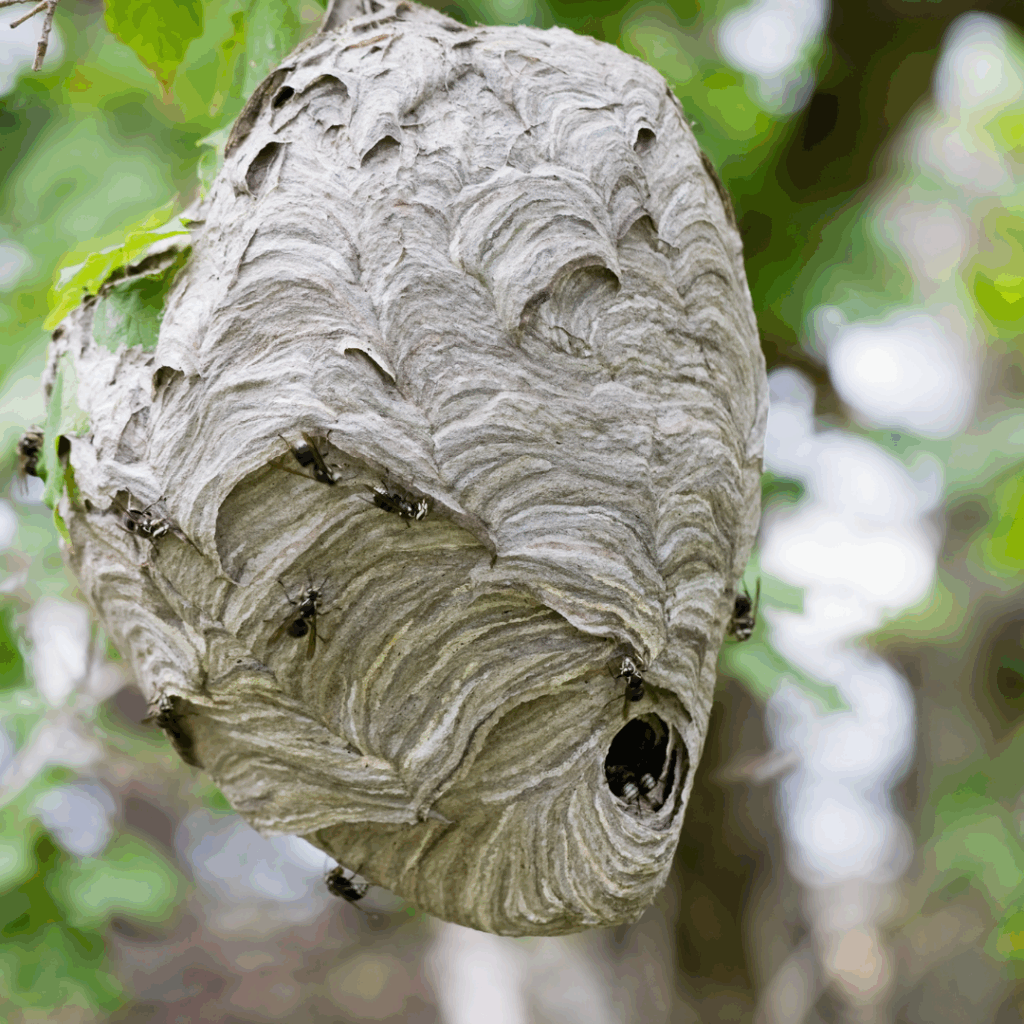
If you discover a wasp nest in your garden, the first step is to assess its size and location to determine the risk level.
In Utah and Georgia, native wasp species can become highly defensive; avoid disturbing the nest to prevent aggressive behavior. Always wear protective clothing if you must approach, and consider professional wasp nest removal for larger or difficult-to-reach nests to ensure your safety.
Discovering a wasp nest in your garden can be unsettling. The immediate instinct might be to remove it hastily. However, it is important to assess the situation thoughtfully to avoid unnecessary risks.
In the unique climates of UT and GA, your response should be guided by the nest’s proximity to high-traffic areas, its size, and any potential for allergic reactions.
Whether you are considering a DIY approach or need a wasp exterminator, understanding the behavior and lifecycle of these pests is fundamental.
In the following discussion, we will explore effective strategies to safely manage and, where possible, prevent the recurrence of these unwelcome guests, thereby ensuring your outdoor spaces remain both enjoyable and safe.
CTA
Step 1: Inspect the Nest Carefully
Evaluate the wasp nest’s location, size, and activity level to determine the appropriate course of action.
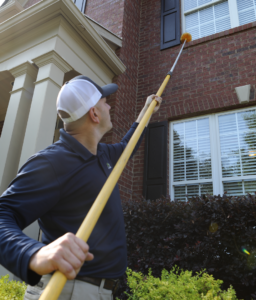
Location determines exposure risk. Nests under roof eaves, inside sheds, in shrubs, attached to trees, or in the ground all require different handling.
A nest near a doorway, walkway, patio, or vegetable garden presents a much higher sting risk than one located deep in a low-traffic corner of the yard.
Ground nests deserve particular caution. These are often yellowjacket colonies, which are more defensive and more likely to swarm if the entrance is disturbed by foot traffic or vibration.
Size indicates colony maturity. Early-season nests (golf-ball sized) may contain only a few dozen workers. Late-season nests can house hundreds or even thousands. Larger colonies respond faster and more aggressively to disturbances.
Activity level confirms risk intensity. Observe from at least 10–15 feet away. Heavy, continuous flight in and out of a single entry point signals a well-established colony. The more traffic you see, the more defensive the nest will be during intervention.
Never approach closely to “get a better look.” Most stings occur during curiosity-driven proximity.
Step 2: Understand Wasp Behavior Before You Act
Wasps are social insects with complex behaviors that can influence their interaction with their environment.
Wasps have a varied diet that primarily includes proteins and sugars. Protein is important early in the year, as they need it to feed their larvae. This protein typically comes from other insects, making wasps natural pest controllers.
However, as the season progresses towards late summer and early fall, their diet shifts towards sugary substances.
This change explains why wasps are commonly found near human activities, hovering around food and drink during these months.
Understanding these patterns allows you to choose the safest intervention window and when to deploy specific prevention measures to keep wasps from returning after removal.
Step 3: Determine Whether DIY Removal Is Safe
Before attempting any wasp removal in Utah or Georgia, it is crucial to understand that while some small nests can be handled with a DIY approach, larger or poorly positioned colonies pose significant safety risks that often require a professional wasp exterminator.
Use this table to determine if a wasp nest requires professional removal.
|
Feature |
DIY Removal May Be Safe If… |
Professional Removal Is Required If… |
|
Nest Size |
Small and in early development. |
Larger than a softball. |
|
Location |
Fully visible and reachable without a ladder. |
Located in high-traffic areas or requires a ladder. |
|
Placement |
Away from the main structure and not underground. |
Inside siding, wall voids, soffits, rooflines, or underground. |
|
Health Risks |
No one in the household has sting allergies. |
Anyone in the home has a known wasp sting allergy. |
|
Wasp Behavior |
No stings have occurred yet. |
Wasps are aggressive or stings have already occurred. |
Large or concealed nests are where most injuries happen. Local wasp exterminators use specialized protective gear and targeted treatments to eliminate the colony effectively without driving the wasps deeper into your home’s structure.
CTA
Step 4: Treat the Nest Safely and Strategically
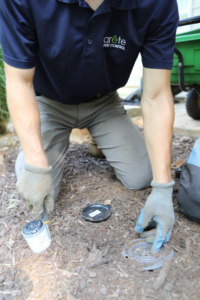
To safely remove a wasp nest, execute removal during early morning or late evening when wasps are less active, wear protective clothing, and carefully bag the nest or use chemical sprays from a safe distance.
This guarantees your safety and minimizes the risk of agitating the wasps, which can lead to aggressive behavior.
Firstly, consider the timing of your removal attempt. It’s best to approach the nest during early morning or late evening when wasps are less active.
Wear protective clothing, including thick gloves, a long-sleeved shirt, long pants, and a face mask or veil. These precautions are necessary to prevent stings.
Consider using a sealable plastic bag for the removal itself. Carefully cover the nest with the bag, detach it from its hanging place, and seal it. This method is often effective for smaller nests within reach.
Alternatively, chemical treatments are available to ensure the entire nest is neutralized.
Various sprays designed specifically for wasp nests are available on the market. These sprays have a range that allows you to stand a safe distance away while applying the chemical.
It is essential to follow the manufacturer’s instructions closely when using chemical sprays to avoid any unintended harm to yourself and the environment.
Step 5: Monitor and Prevent Future Nests
Treatment does not end with spraying. Proper follow-through prevents recurrence.
After 24–48 hours, observe from a safe distance. If wasps continue to enter or exit, the colony may still be active and require additional treatment.
Once confirmed inactive, remove the nest structure to prevent secondary pest use and discourage reoccupation.
Then focus on prevention:
- Seal cracks and structural gaps around siding and sheds
- Cover trash bins tightly
- Remove fallen fruit and outdoor food sources
- Store firewood away from structures
- Reduce clutter in garages and garden sheds
- Install door sweeps and repair damaged vents
Wasps build nests where shelter and food are easily available. Removing those conditions reduces future nesting pressure.
When to Call Wasp Control Exterminators
Professional wasp removal should be used in Utah or Georgia if a nest meets any of the following characteristics:
- Located high under eaves or rooflines
- Inside wall voids, siding, soffits, or attic spaces
- Hidden in dense shrubs or structural cavities
- Underground (ground nests are typically more aggressive)
- Larger than a softball (indicates a mature colony)
- Near doorways, patios, walkways, or children’s play areas
- Associated with previous stings
- In a home where anyone has a sting allergy
Nest location is the primary risk factor. Elevated or concealed nests require ladders, specialized application equipment, and protective gear.
Improper treatment in these areas can drive wasps into interior living spaces or trigger defensive swarming.
Nest size is equally important. Large colonies contain significantly more worker wasps, increasing the likelihood of multiple stings during removal attempts. Mature colonies respond faster and more aggressively to disturbance.
Individuals with known sting allergies should never attempt removal. A single sting can trigger a severe allergic reaction, and disturbing a nest increases the chance of repeated stings.
Professional wasp control services use protective equipment and targeted residual treatments to safely eliminate the entire colony. In high-risk situations, professional removal is the safest and most effective option.
CTA
FAQs
Can Wasps Recognize Human Faces or Smells?
Wasps do not possess the cognitive abilities required for complex facial recognition, as seen in humans or other animals.
However, experts suggest they can differentiate between certain visual patterns, including aspects of facial features.
Wasps are highly adept at scent detection. They utilize pheromones for communication and can detect various odors, which play a vital role in their ability to find food and navigate their environment.
Do Wasps Return to Old Nests Each Year?
Wasps generally do not return to old nests each year. Their lifecycle stages conclude with the colony dying out, typically in the autumn, leaving the nest abandoned.
How Do Weather Conditions Affect Wasp Activity?
Weather conditions greatly influence wasp activity. Higher temperatures typically increase wasp activity as they are more active in warm conditions, facilitating their hunting and foraging behaviors.
Conversely, extreme heat can lead to dehydration and reduced wasp activity. Rainfall generally decreases wasp activity; wet conditions hinder their ability to fly and forage effectively.
Are There Eco-Friendly Wasp Repellents?
Several eco-friendly wasp repellents effectively deter wasps without harming the environment. Natural deterrents include essential oils like peppermint, eucalyptus, and citronella, which can be applied around areas to discourage wasp activity.
Additionally, planting repellent plants such as spearmint, thyme, and lemongrass in your garden can serve as a natural barrier, as these plants emit odors unattractive to wasps.
What Time of Day Are Wasps Least Active?
Wasps are least active in the early morning and late evening, which correlates with cooler temperatures.
Activity temperature thresholds greatly influence their behavior patterns, as they are less active when temperatures drop.
CTA