
Late summer is the window to schedule pest treatment in Orem, because the pests active now are the same ones that move indoors when temperatures drop. Treating in August stops wasps and ants at their peak and blocks the fall migration before it starts.
Same-day and next-day appointments are available across Orem, with every treatment backed by a satisfaction guarantee and free re-service.
This guide covers what is active in Orem right now, why the late-summer window matters, what a treatment includes, and how one-time service compares to a year-round residential plan.
Late-Summer Pests in Orem
Orem sits at the base of the Wasatch Range just north of Utah Lake, and by August the season’s heat has pest activity concentrated around homes. Four problems dominate the late-summer calls.
Wasps and hornets are at maximum colony size, which makes them at their most defensive. Nests under eaves, decks, and playground equipment that went unnoticed in June are now large and busy, and professional wasp removal is the way to handle them without a swarm of stings.
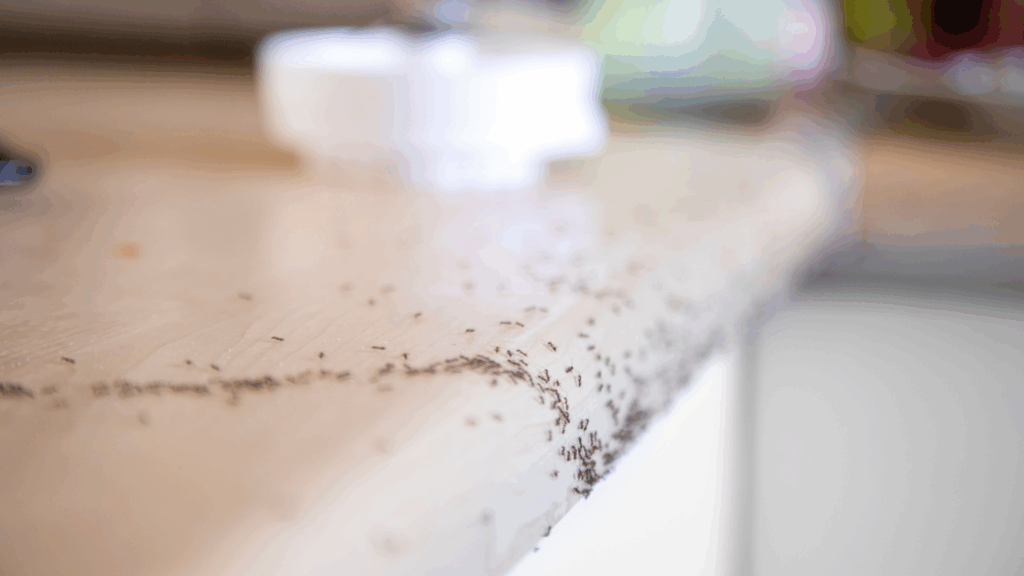
Ants keep trailing indoors toward water and food as the outdoor landscape dries out. Pavement and carpenter ants are the usual culprits in Orem kitchens and driveways, and persistent trails call for ant control that treats the colony rather than the trail.
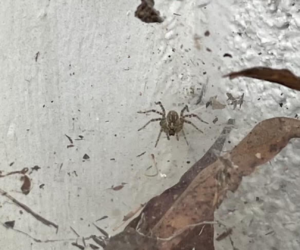
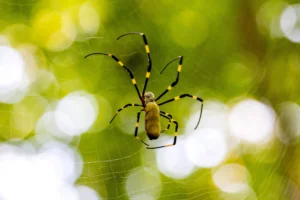
Spiders follow the insect activity, settling into garages, window wells, and basement corners. Their numbers climb through late summer and peak just as they begin moving indoors.
Rodents and boxelder bugs are the early movers of fall. Mice begin scouting structures as nights cool, and boxelder bugs start massing on warm, sunny walls before working their way inside. Late August is when both start positioning.
Why Late Summer Needs Treatment Now
The late-summer window matters because of what comes next. Every pest staging around your foundation in August is a candidate to overwinter inside your walls in October.
Treating now works with that timing instead of against it. A perimeter treatment and sealed entry points in late August mean the fall migration hits a barrier, while the same treatment in October is chasing pests that already moved in.
Application conditions also favor this window. The Utah State University Extension emphasizes that pesticide labels specify the right rate, method, and timing, and Utah’s dry, stable late-summer weather provides exactly the low-wind, rain-free conditions that let a treatment work as labeled.
USU Extension guidance also favors applying only when and where needed, targeting the places pests actually enter and harbor. In late summer those places are predictable: the perimeter, the eaves, and the entry gaps, which is what makes a well-timed professional visit so efficient.
What a Late-Summer Treatment Includes
A late-summer visit is designed around both halves of the season: the pests peaking now and the ones preparing to move in.
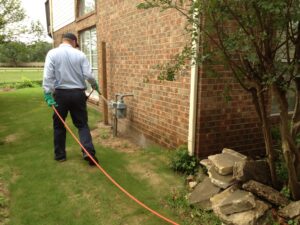
The technician starts with an inspection of the foundation, eaves, and entry points, identifying active nests, trails, and the gaps rodents and boxelder bugs will use in the fall. Active wasp nests are removed during the visit.
Interior and exterior treatments follow, using family- and pet-conscious products applied where they do the most work. The perimeter barrier gets particular attention, since it is the line the fall migration has to cross.
Entry points are sealed or flagged for sealing, and the technician notes the conditions, such as woodpiles against the house or gaps at utility penetrations, that will draw pests as the weather turns.
One-Time Treatment vs. a Year-Round Plan
A single late-summer treatment handles the immediate season well. The question is what happens in October, January, and next April.
| Option | What You Get |
| One-time treatment | Current pests handled, perimeter treated, entry points addressed |
| Recurring plan | Seasonal visits timed to Orem’s pest cycles, plus free re-service |
Because Orem’s pest pressure rotates through the year, from spring ants to summer wasps to fall boxelder bugs and winter rodents, a recurring plan timed to those cycles delivers the most consistent protection. It also removes the scheduling guesswork, since your technician books each visit for the window when it matters most.
Either way, the work is guaranteed. If pests return between visits, re-service is free.
For homeowners starting in late summer, the recurring plan has a timing advantage: the first visit handles the current peak, and the next one lands right as the fall move-in begins, covering the two most important windows back to back.
What You Can Do Between Visits
Professional treatment does the heavy lifting, but a few homeowner habits make the barrier hold longer through the fall transition.
Water is the first thing to manage. Dial back irrigation as the season winds down, fix dripping spigots, and empty anything holding standing water, since late-season pests concentrate wherever moisture remains.
Then think like a mouse looking for winter housing. Firewood stacked against the house, dense shrubs touching the siding, and clutter in the garage all offer staging areas, and moving them even a few feet from the structure removes the bridge indoors.
Finally, keep an eye on the sunny south and west walls in September. That is where boxelder bugs mass first, and a quick call at the first cluster is far easier than dealing with them in the walls by November.
Same-Day Scheduling Across Orem
When a wasp nest is over the back door or ants have taken the kitchen, waiting a week is not a plan. Same-day and next-day appointments are available for urgent problems throughout Orem.
Local knowledge speeds the work. Technicians who service Orem daily know that properties near Utah Valley University and along State Street see heavier pressure from density and activity, while homes in the foothills deal with more spiders, wasps, and rodents from the adjacent open land.
Treatment gets matched to the property, not pulled from a generic checklist.
Get Ahead of the Fall Move-In
Late summer in Orem is both a peak and a turning point: wasps, ants, and spiders are at full strength, and rodents and boxelder bugs are beginning to stage for fall.
A targeted treatment now handles today’s pests and closes the door on next season’s, with dry late-summer conditions giving the application its best chance to work as designed.
With same-day availability, local technicians, and a satisfaction guarantee, the late-summer window is the easiest one to use well. The questions below cover what Orem homeowners ask most.
FAQs
Why are there more ants in my Orem kitchen in late summer?
As the outdoor landscape dries out, ants move indoors for consistent food and water. Persistent trails usually mean an established colony nearby, which is treated at the source rather than sprayed along the trail.
Are wasps more aggressive in August?
Yes. Colonies reach peak size in late summer and defend their nests most aggressively then. Large or high-traffic nests should be removed professionally to avoid multiple stings.
When should I treat for boxelder bugs?
Before they mass on warm exterior walls in early fall. A late-summer perimeter treatment and sealed entry points stop most of them from ever getting inside.
How often should I schedule pest control in Orem?
Seasonal treatments, four times a year, prevent most problems before they start. Specific infestations may need additional visits, which is where the free re-service guarantee applies.
Can I get same-day pest control in Orem?
Often, yes. Same-day and next-day appointments are available for urgent problems like active wasp nests, depending on scheduling.
Is the treatment guaranteed?
Yes. Every treatment carries a 100% satisfaction guarantee with free re-service if pests return between visits. To book, contact Arete Pest Control for a free inspection.