
You can tell if you have bed bugs by inspecting key hiding spots for live bugs, shed skins, and dark spots, not by bites alone.
This matters because bed bug bites look like many other things, and confirming the pest decides what you do next.
This guide helps homeowners in the https://aretepestcontrol.com/georgia/dacula/ inspect, confirm, and judge how serious the problem is.
If you confirm an infestation, Arete offers bed bug treatment and ongoing residential pest control to keep your home protected.
How to Confirm You Have Bed Bugs
Confirming bed bugs takes more than noticing bites. The University of Kentucky Entomology Department explains that confirmation requires finding the bugs or their signs, which often takes a trained eye.
Check the Bites, but Do Not Rely on Them Alone
Bed bug bites often appear as itchy welts in lines or clusters on skin exposed during sleep.
Bites are an unreliable clue on their own. Some people react strongly, others not at all, and bites are easily blamed on mosquitoes or other causes.
Inspect the Hot Spots
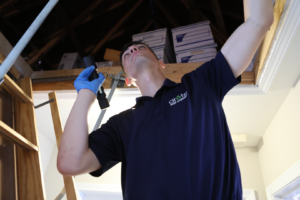
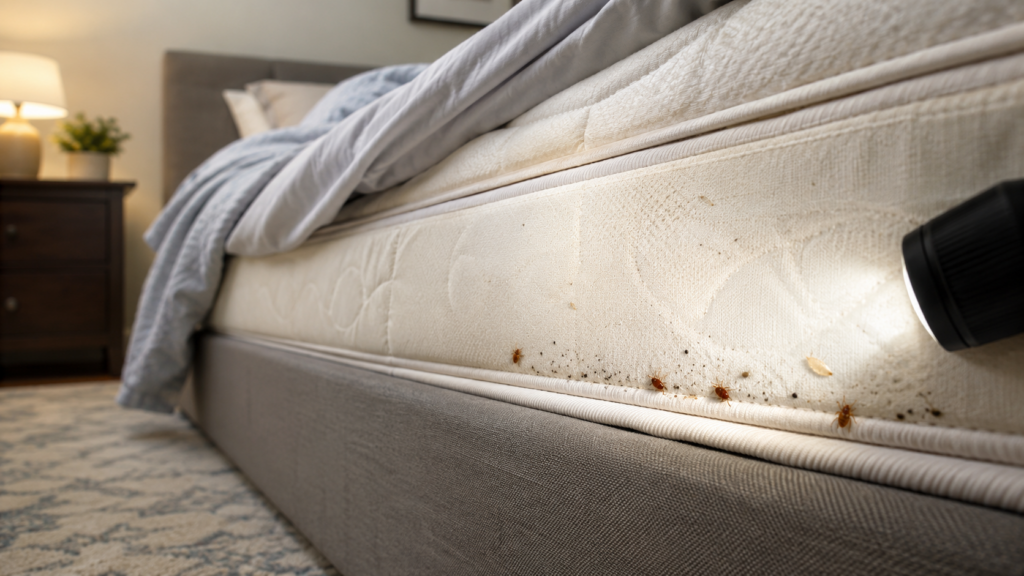
Use a flashlight and check the places bed bugs favor, starting with the bed and working outward.
Look in seams, folds, and crevices, since bed bugs squeeze into tight, protected spaces.
Look for the Physical Signs
Search for live bugs, pale shed skins, tiny black droppings, and reddish-brown stains.
Finding any of these confirms more than bites ever can.
Where to Inspect for Bed Bugs
Work through these locations in order. Most activity is within a few feet of the bed.
| Where to Look | What to Look For |
| Mattress seams and tufts | Live bugs, eggs, black dots |
| Box spring and frame | Shed skins, stains, live bugs |
| Headboard and wall behind it | Dark spots and crevices with bugs |
| Baseboards and carpet edges | Bugs tucked into the seam |
| Behind picture frames and outlet covers | Hidden harborage away from the bed |
Bed bug interceptors placed under each bed leg can also trap bugs and help confirm an active problem.
Bed Bug Bites vs. Other Bites
Bites alone cannot confirm bed bugs, but some patterns are more suggestive than others.
| Clue | Points Toward Bed Bugs | Points Elsewhere |
| Timing | Welts you wake up with | Bites that appear during the day |
| Pattern | Lines or clusters | Single, scattered bites |
| Location | Exposed skin while sleeping | Ankles and lower legs (often fleas) |
| History | Recent travel or used furniture | Time spent outdoors or with pets |
Because reactions vary so much, treat bites as a prompt to inspect, not as proof.
What Bed Bugs Are Often Confused With
Several insects look similar at a glance. The table below helps you tell them apart.
| Look-Alike | How to Tell It Apart |
| Bat bugs or bird bugs | Nearly identical; a professional can differentiate |
| Carpet beetle larvae | Fuzzy and segmented, not flat and oval |
| Fleas | Jump readily; bed bugs cannot jump |
| Cockroach nymphs | Faster, different body shape, found near food |
| Booklice | Much smaller, pale, associated with damp areas |
How Bad Is It? Judging the Severity
A few bugs in one mattress seam is an early problem. Bugs in multiple rooms or heavy staining points to an established infestation.
The longer bed bugs go unnoticed, the more they spread. Early problems are easier and cheaper to treat.
If you find activity in more than one room or a strong musty odor, the infestation is likely advanced.
Should You Try DIY or Call a Pro?
Some early situations are worth a careful DIY attempt, but bed bugs are hard to eradicate. The EPA notes that treatment is complex and can take weeks to months, and that foggers do not reach where bed bugs hide.
| Situation | Recommended Response |
| A single bug found after travel | Inspect closely; bag and heat-treat items |
| Bites and a few signs in one room | DIY steps may help; monitor closely |
| Confirmed bugs in multiple spots | Call a professional |
| Activity in more than one room | Call a professional |
| DIY tried and bugs returned | Call a professional |
When in doubt, an inspection is the safest move. Confirming the problem early prevents a small issue from becoming a whole-home infestation.
From Suspicion to a Clear Answer
You can get a long way by inspecting the right spots and looking for live bugs, shed skins, and dark droppings rather than relying on bites.
Confirming bed bugs and ruling out look-alikes like fleas or carpet beetles decides whether you can handle it yourself or need help.
Early, single-room problems are the most treatable. Activity in multiple rooms points to a professional.
If your inspection turns up bed bugs, the fastest path to a bug-free home is a professional inspection and treatment plan.
FAQs
How do I know if it is bed bugs and not fleas?
Fleas jump and usually bite ankles and lower legs. Bed bugs cannot jump and bite skin exposed during sleep. Finding the bugs confirms it.
Can I confirm bed bugs from bites alone?
No. Reactions vary widely and bites resemble many other causes. You need to find live bugs or their signs to confirm.
Where should I look first?
Start with the mattress seams, box spring, and headboard. Then check the bed frame, baseboards, and behind nearby outlet covers.
What does bed bug evidence look like?
Live apple-seed-sized bugs, pale shed skins, tiny black droppings, and reddish-brown stains on bedding.
Is it ever safe to treat bed bugs myself?
Early, single-room problems can be worth a careful attempt. But bed bugs are hard to eradicate, and multi-room activity usually needs a professional.