
If you have confirmed bed bugs in your Dacula home, professional treatment is the most reliable way to eliminate them.
Bed bugs reproduce quickly, their eggs resist many store-bought products, and a do-it-yourself attempt often spreads the infestation instead of ending it.
This guide covers what a legitimate treatment plan includes for homes in the Dacula area, how to prepare, and what to expect after.
Arete offers bed bug treatment using heat and chemical methods, and ongoing residential pest control to help keep your home protected afterward.
When Does a Bed Bug Problem Require a Professional?
The short answer is: as soon as you confirm them. Bed bugs rarely go away on their own, and waiting makes the problem harder to solve.
Signs You Are Past the DIY Stage
- Bites in lines or clusters on skin, especially after sleep.
- Reddish-brown stains or tiny black dots on sheets, mattress seams, or the bed frame.
- Pale yellow shed skins or a musty, sweet odor near the bed.
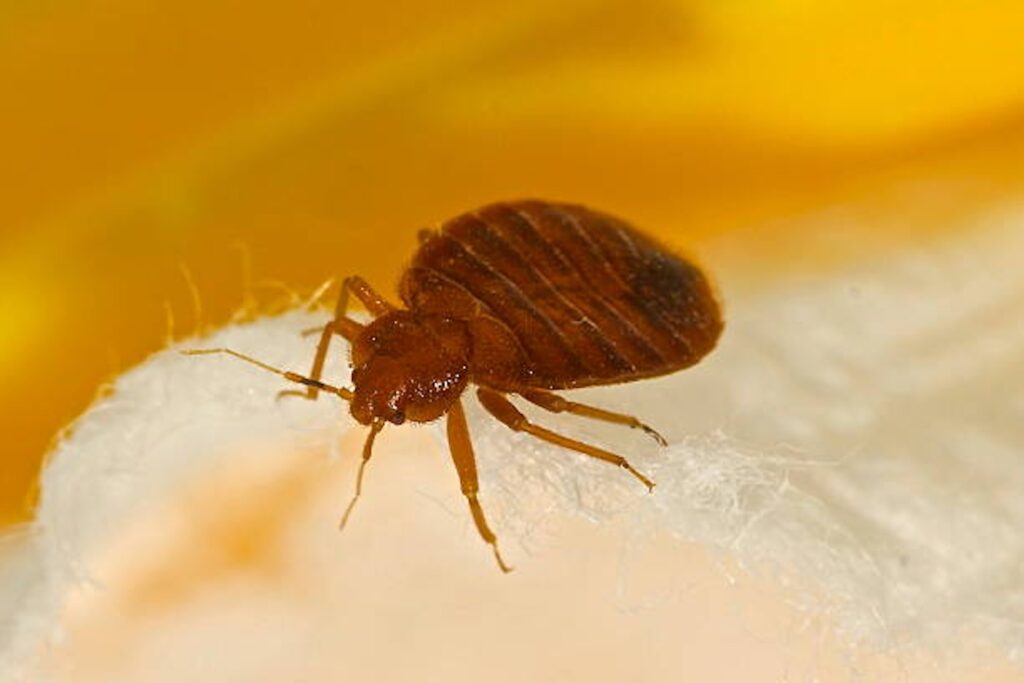
- Live bugs the size of an apple seed in mattress seams, headboards, or baseboards.
- Bites or sightings that continue after you have already tried sprays or foggers.
Why DIY Bed Bug Treatment Usually Fails
Bed bugs hide in cracks and seams that surface sprays never reach. The EPA notes that trying to treat the problem yourself can allow the infestation to spread.
Their eggs resist many products, and many bed bug populations have grown resistant to common over-the-counter pesticides.
Foggers and bug bombs are especially weak. They do not penetrate the cracks where bed bugs live, and improper use creates fire risk.
What Does Professional Bed Bug Treatment Include?
A complete plan does more than spray a room. It confirms the problem, kills every life stage, and verifies the bugs are gone.
Inspection and Confirmation
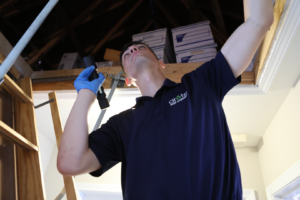
Treatment starts with an inspection. A technician confirms the pest is a bed bug and maps how far the infestation has spread.
This matters because bed bugs are often confused with other insects, and treating the wrong pest wastes time and money.
Heat Treatment
Heat treatment raises the room or whole home to a temperature that kills bed bugs at every life stage, including eggs.
Bed bugs die when their body temperature reaches about 113 degrees, so professionals heat the space well above that to reach bugs hidden in cracks.
Chemical Treatment
Targeted chemical applications treat cracks, crevices, and harborage points that heat alone may not fully reach.
The EPA recommends an integrated approach that combines non-chemical and chemical methods, which is often the most effective way to eliminate an infestation.
Follow-Up Visits and Monitoring
Very few infestations are eliminated in a single visit. Most plans include follow-up treatments and monitoring.
Follow-up visits catch any bugs that survived and any eggs that hatched after the first treatment.
Heat vs. Chemical Bed Bug Treatment
Both methods work, and the best plans often use them together. Here is how they compare.
| Factor | Heat Treatment | Chemical Treatment |
| How it works | Raises the space above lethal temperature | Applies EPA-registered products to hiding spots |
| Kills eggs? | Yes, at every life stage | Yes, with the right products and repeat visits |
| Reaches hidden bugs | Penetrates cracks as the air heats | Targets specific cracks and crevices |
| Residual protection | None after the room cools | Some residual activity after application |
| Best used | Whole-room or heavy infestations | Spot treatment and ongoing protection |
Combining the two provides both immediate kill and lingering protection, which is why many professional plans use both.
How to Prepare for a Bed Bug Treatment
Preparation makes treatment faster and more effective. The EPA outlines the steps below, which apply whether you hire a pro or treat the problem yourself.
| Prep Step | Why It Helps |
| Reduce clutter | Removes hiding places and makes treatment easier |
| Wash and dry bedding on high heat | A hot dryer for 30 minutes kills bugs and eggs |
| Move the bed about 6 inches from the wall | Stops bugs from crossing back onto the bed |
| Vacuum thoroughly, then seal and discard the bag | Removes live bugs and eggs immediately |
| Bag items in sealed plastic | Prevents spreading bugs to clean areas |
| Seal cracks and crevices | Forces bugs out of hiding into treated areas |
Your provider should give you a specific prep list before the appointment. Follow it closely, because skipped steps reduce results.
What to Ask Before Hiring a Bed Bug Company
Use these questions to tell a thorough company from a quick-spray operation.
| Question | What a Good Answer Sounds Like |
| Are your technicians licensed? | Yes, with proof of Georgia licensing |
| Do you inspect before quoting? | Yes, always, before any price is given |
| Do you use heat, chemical, or both? | A clear explanation matched to your situation |
| How many visits are included? | Multiple visits, since one is rarely enough |
| Do you offer a warranty? | Written re-treatment coverage for a set period |
| What prep do you require? | A clear, written prep checklist |
What to Expect After Bed Bug Treatment
Knowing the timeline helps you judge whether treatment is working.
| Stage | What Happens |
| First few hours | Stay out of treated rooms until surfaces dry, per technician instructions |
| First 1 to 2 weeks | Activity drops; some bugs may still appear as eggs hatch |
| Follow-up visits | Technician re-treats and checks monitors for survivors |
| Ongoing monitoring | Interceptors and checks confirm the infestation is gone |
Keep checking the treated areas for several weeks. If you still see activity after the planned visits, contact your provider for re-treatment.
How Much Does Bed Bug Treatment Cost in Dacula?
Cost depends on the size of the home, the severity of the infestation, and whether the plan uses heat, chemical, or both.
Larger infestations and whole-home heat treatments cost more than a single-room job. Multiple visits are standard and are usually built into the price.
The most reliable number comes from an on-site inspection. Be cautious of any company that quotes a firm price without seeing the home.
Making the Right Call on Bed Bugs
Bed bugs are one of the hardest household pests to remove, and they spread fast when a problem is left to grow.
DIY sprays and foggers rarely reach the cracks where bed bugs hide, and the bugs often resist over-the-counter products.
Professional treatment works because it confirms the pest, kills every life stage with heat and chemical methods, and includes follow-up visits to verify success.
If you have confirmed bed bugs, the fastest path to a bug-free home is an inspection from a licensed professional. The questions below cover what homeowners ask most before they call.
FAQs
How do I know for sure that I have bed bugs?
Look for live bugs the size of an apple seed, reddish-brown stains, tiny black dots, and shed skins around the mattress and bed frame. A professional inspection confirms it.
Can I get rid of bed bugs without a professional?
It is possible but difficult. Bed bugs hide in tiny cracks, their eggs resist many products, and DIY attempts often spread them. Professional treatment is far more reliable.
Does one treatment get rid of bed bugs?
Rarely. Very few infestations are eliminated in a single visit. Most plans include follow-up treatments to catch survivors and newly hatched bugs.
Is heat or chemical treatment better?
Each has strengths. Heat kills all life stages quickly, while chemical treatment adds residual protection. Many plans combine both for the best results.
How should I prepare for treatment?
Reduce clutter, wash and dry bedding on high heat, vacuum, and move the bed away from the wall. Your provider will give you a specific prep checklist.
How do I get started?
Schedule an inspection. A licensed technician confirms the problem and builds a treatment plan. To get started, contact Arete Pest Control.