
Raccoons, squirrels, bats, opossums, skunks, and voles are the wildlife most likely to get into Dacula homes and yards.
They move in because houses offer the three things every animal needs: food, water, and shelter. Dacula’s mix of wooded lots and fast suburban growth puts homes right in their path.
This guide covers the common wildlife in the Dacula area, how they get inside, the damage and health risks they bring, and how to make your home less appealing.
When animals do get in, Arete handles raccoon removal, squirrel removal, and bat removal with humane, species-specific methods.
Why Does Wildlife Get Into Dacula Homes?
Wildlife does not target homes at random. Animals follow resources.
Food, Water, and Shelter
Every nuisance animal needs the same three things to survive: food, water, and shelter.
The University of Georgia Extension notes that homeowners often supply one or more of these without realizing it.
The Georgia Department of Natural Resources lists the most common attractants as unsecured trash, pet food left outside, and bird seed.
Suburban Growth and Wooded Lots
Dacula has grown quickly from rural farmland into one of the faster-expanding suburbs northeast of Atlanta.
New neighborhoods built near woods and creeks place homes directly in established wildlife territory. The animals do not leave. They adapt.
What Wildlife Is Most Common in the Dacula Area?
A handful of species account for most local wildlife calls. The table below is a quick overview, followed by detail on each.
| Animal | Active When | Where They Get In | Top Concern |
| Raccoon | Night | Attics, chimneys | Disease, damage |
| Squirrel | Day | Roofline, soffits | Chewed wiring |
| Bat | Night | Gaps near 1/4 inch | Rabies, guano |
| Opossum | Night | Under decks, sheds | Nesting, mess |
| Skunk | Night | Under porches | Spray, digging |
| Voles / ground | Day | Lawns, gardens | Tunnels, plant loss |
Raccoons
Raccoons are strong and clever, and they favor attics and chimneys for denning, especially in spring.
They are a leading rabies carrier in the eastern United States, so they are best left to a professional. See raccoon removal.
Squirrels
Squirrels enter through roofline gaps and gnaw constantly, often on wiring. That chewing is a real fire risk.
They are active during the day, which is when most homeowners hear them. See squirrel removal.
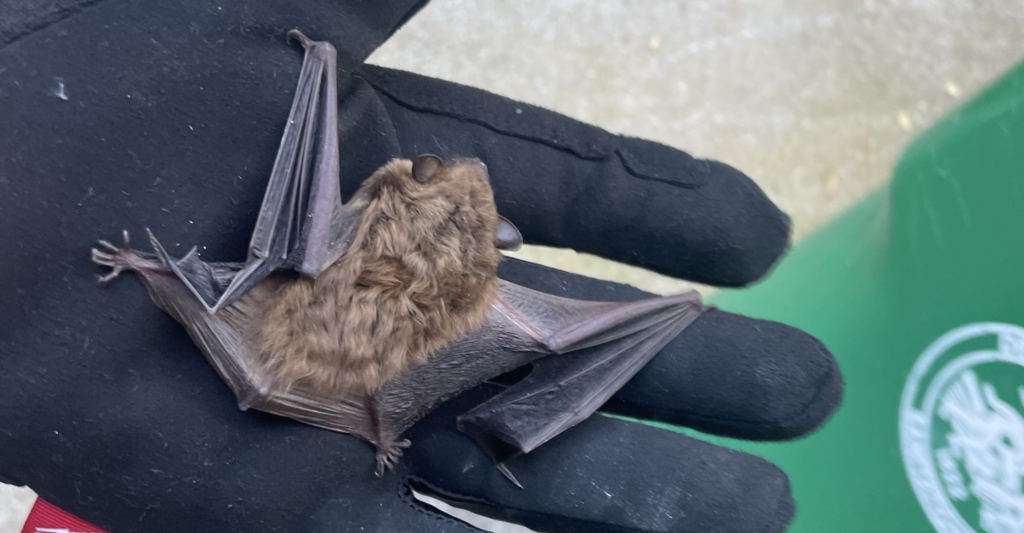
Bats
Bats can slip through gaps as small as a quarter inch and roost in attics.
Their droppings can carry a fungus that causes respiratory illness, and they are protected during maternity season. See bat removal.
Opossums
Opossums rarely carry rabies and even eat ticks, but they become a nuisance under decks and in crawl spaces.
Removal focuses on eviction and sealing the space. See opossum removal.
Skunks
Skunks den under porches and sheds and dig in lawns for grubs.
They are a rabies vector species, and their spray is hard to remove. See skunk removal.
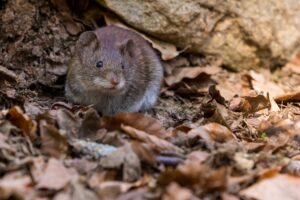
Voles and Ground Wildlife
Voles, moles, chipmunks, and armadillos damage lawns and gardens with tunnels and burrows.
The damage often spreads before homeowners notice. See vole and ground wildlife removal.
How Do Animals Get Inside? Common Entry Points
Most wildlife enters through a small number of predictable openings. The table below shows where to look.
| Entry Point | Animals That Use It | Fix |
| Chimneys | Raccoons, bats, squirrels, birds | Install a chimney cap |
| Soffit vents | Bats, birds | Repair and screen vents |
| Gable vents | Flying and gray squirrels, bats, birds | Cover with hardware cloth |
| Windows and doors | Snakes, mice, raccoons, opossums | Seal gaps, repair screens |
| Dryer vents | Snakes, mice | Add screen mesh |
Entry-point details follow guidance from the University of Georgia Extension on sealing homes against wildlife.
What Damage and Health Risks Does Wildlife Cause?
Wildlife in a home is more than a noise problem. It creates real costs and health concerns.
Structural and Property Damage
Squirrels and other rodents chew wiring, which can lead to electrical fires. Animals also shred insulation, tear ductwork, and stain ceilings.
Droppings and urine build up over time and damage the materials they sit on.
Health Risks and Disease
Several common species are rabies carriers, including raccoons, skunks, and bats.
The CDC reports that bats, raccoons, and skunks account for most rabies cases in U.S. wildlife. Bat droppings can also carry a fungus linked to respiratory illness.
How to Make Your Home Less Attractive to Wildlife
You cannot remove wildlife from the area, but you can make your property a poor choice. These steps reduce the odds of an animal moving in.
| Step | Why It Helps |
| Secure trash and pet food | Removes the top food attractants |
| Take down or move bird feeders | Reduces seed that draws squirrels and rodents |
| Trim branches off the roof | Cuts off easy attic access |
| Cap chimneys and screen vents | Closes the most common entry points |
| Seal foundation and soffit gaps | Blocks ground and roofline entry |
| Store firewood away from the house | Removes shelter near the structure |
Knowing What You Are Dealing With
Wildlife gets into Dacula homes for simple reasons: food, water, and shelter, made easy by the area’s wooded lots and rapid growth.
The most common animals are raccoons, squirrels, bats, opossums, skunks, and voles, and each one enters through predictable gaps like chimneys, vents, and roofline openings.
Knowing which animals are common and what draws them is the first step. Sealing entry points and removing attractants is the second.
If an animal is already inside, the safest path is a professional inspection that identifies the species and the entry points before any damage spreads.
FAQ
What is the most common wildlife problem in Dacula homes?
Squirrels and raccoons in attics are among the most common calls. Both use roofline gaps and chimneys to get inside.
What time of year is wildlife most active?
Spring is peak season because females look for safe places to raise young. Fall is a second busy stretch as animals seek winter shelter.
How do I know if an animal is living in my attic?
Listen for scratching or scampering, especially at dawn or dusk. Look for droppings, torn insulation, and entry holes around the roofline.
Are these animals dangerous?
Some are. Raccoons, skunks, and bats can carry rabies. Opossums and squirrels rarely do, but all wildlife can bite or scratch if cornered.
Can I keep wildlife out on my own?
Prevention is something homeowners can do: secure trash, trim branches, and seal gaps. Removing an animal that is already inside usually requires a licensed professional.
Who do I call for wildlife in my Dacula home?
A licensed wildlife professional. To schedule an inspection, contact Arete Pest Control.