
Ticks in Georgia
Overview of Ticks in Georgia
Ticks in Georgia are a persistent concern throughout the year, thriving in the state’s warm climate and heavily wooded, vegetated environments.
These pests often make their way into yards and onto people or pets while searching for hosts, especially during peak outdoor activity seasons.
Beyond being a nuisance, ticks are known carriers of serious illnesses—including Lyme disease, ehrlichiosis, and Rocky Mountain spotted fever—and their bites often go unnoticed until symptoms begin.
Because of the health risks and their ability to hide in shaded or overgrown areas, professional Georgia tick control is often needed to reduce populations and help keep your family and pets protected.
Learn more about pest threats in your area by visiting our Pest Library.
Common Ticks in Georgia
Several types of ticks pose health risks to Georgia residents and their pets:
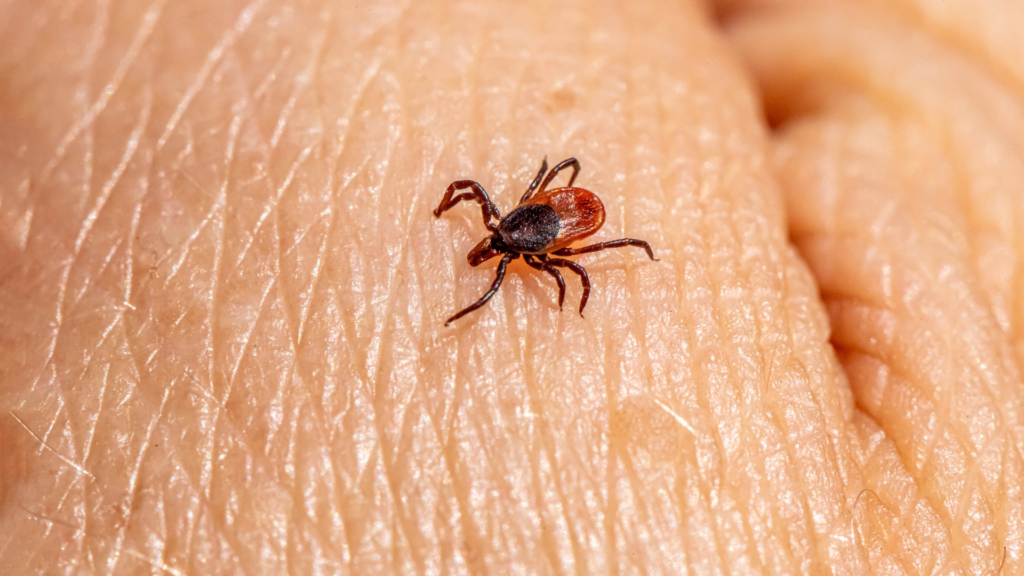
Blacklegged Tick (Deer Tick):
- Small, dark brown to black body
- Spreads Lyme disease
- Found in wooded, shady areas
Lone Star Tick:
- Reddish-brown with a distinct white dot on the back (females)
- Known to transmit ehrlichiosis and cause allergic reactions
- Common in areas with wildlife
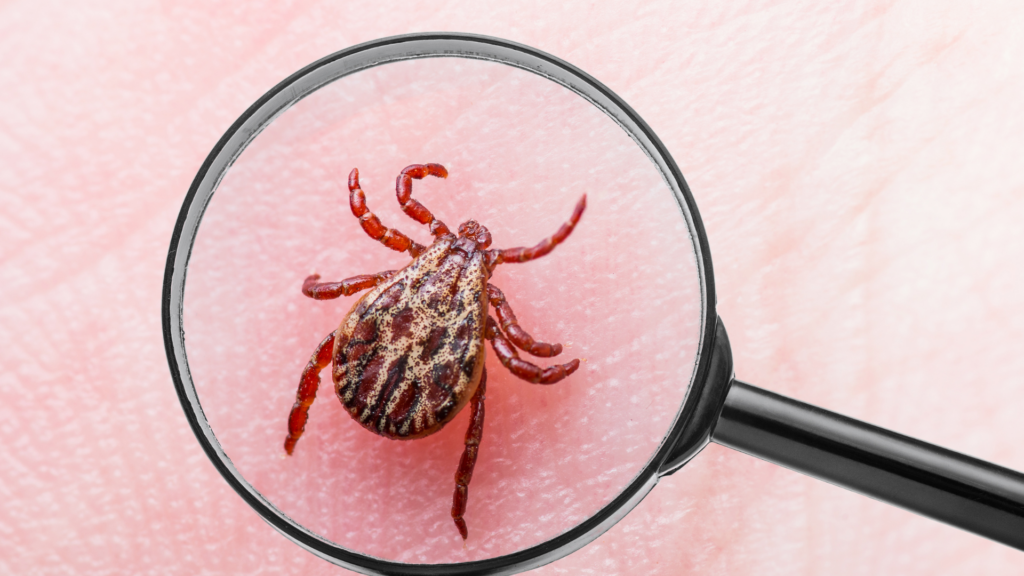
American Dog Tick:
- Brown body with white or gray markings
- Main vector of Rocky Mountain spotted fever
- Often found in grassy fields and along trails
If your pets are scratching excessively, you may also want to read about fleas in Georgia, which are another common external parasite.
Where You’ll Find Them
In Georgia, ticks are most often found:
- In tall grass and wooded areas
- Under leaf litter and shaded garden beds
- Along trails and field edges
- Near pet sleeping areas and kennels
- Around the edges of lawns and wooded property
Ticks thrive in moist, vegetated environments and often hitchhike into your yard on wildlife.
Life Cycle of Ticks
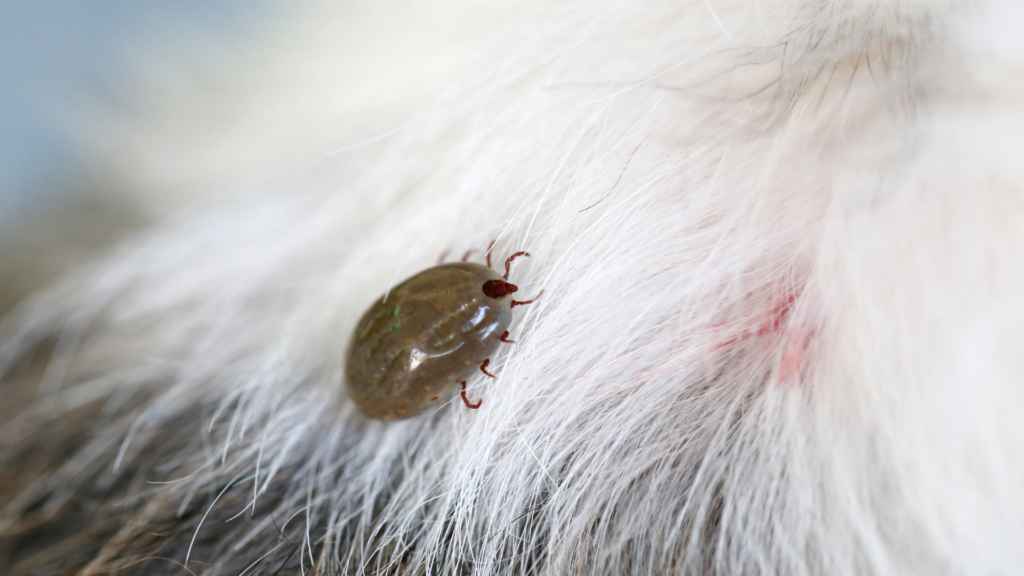
Ticks have four life stages: egg, larva, nymph, and adult.
- Eggs hatch into larvae that feed on small animals
- Larvae molt into nymphs, which feed on larger hosts
- Nymphs become adults, which feed and reproduce
- The cycle can last up to three years, depending on the species
Nymphs are especially dangerous because they’re hard to detect but still capable of spreading disease.
Tick Prevention Tips for Georgia Homes
Reduce tick activity around your home by:
- Keeping grass cut short and clearing brush
- Creating barriers between wooded areas and your lawn
- Wearing long clothing and using tick repellents outdoors
- Checking yourself and pets after spending time outside
- Using veterinarian-approved tick prevention for pets
- Treating your yard regularly to kill and repel ticks
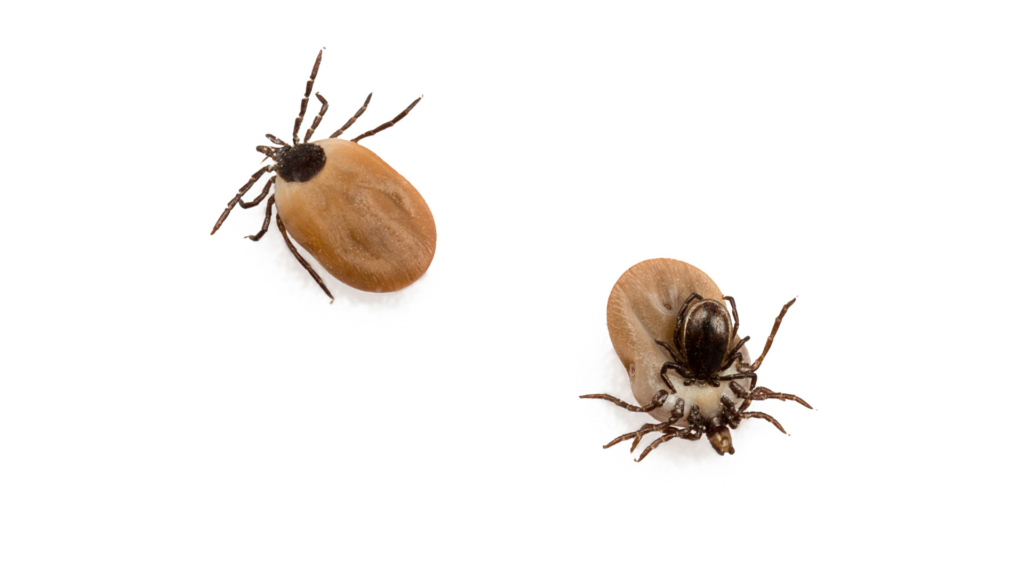
Proactive yard maintenance and professional control work best together to prevent infestations.
Frequently Asked Questions
Are ticks dangerous to pets and humans?
Yes. Ticks can transmit life-threatening diseases like Lyme disease, Rocky Mountain spotted fever, and ehrlichiosis to both people and animals.
How do ticks attach to hosts?
Ticks wait in vegetation and latch onto passing hosts. They use specialized mouthparts to pierce the skin and feed on blood, often going unnoticed during the process.
When is tick season in Georgia?
Ticks are most active from spring through early fall. However, Georgia’s mild winters allow some tick species to remain active year-round.
Can I prevent ticks completely on my own?
DIY steps can help, but professional treatment is the most effective option. Arete Pest Control’s expert services significantly reduce tick populations and help keep your yard safe long-term.
Professional Tick Control in Georgia
Arete Pest Control provides expert tick control in Georgia to protect your family, pets, and property.
Our tick control services include:
- In-depth inspections to identify problem areas
- Targeted treatments in shaded and high-risk locations
- Ongoing seasonal service programs
- Integrated pest management for long-term results
Visit our Pest Library to learn more about the pests we handle, or contact Arete Pest Control today for professional, reliable tick control in Georgia.