

Spotted Lanternfly in Georgia: How to Identify, Control, and Protect Your Home, Garden, and Trees
Hey Georgia homeowners and gardeners! Have you heard about the Spotted Lanternfly (SLF)? This invasive pest is a real troublemaker, posing a significant threat to our beautiful homes, gardens, and trees. This article is your go-to guide for everything you need to know: how to spot them, understand the damage they cause, and most importantly, what you can do to protect your property. Catching an infestation early is key to saving your plants and trees, so let’s dive into identification, risks, control options, treatment costs, and smart prevention tips. By the time you finish reading, you’ll be ready to tackle this unwelcome visitor head-on!
The seriousness of the Spotted Lanternfly threat in Georgia isn’t just talk; it’s backed by official guidance from our state’s agricultural and forestry commissions.
Georgia SLF Management & Threat Guidance
Spotted Lanternfly: A Threat to Forests and Agriculture in the United States, including Georgia. The Georgia Forestry Commission and University of Georgia will provide SLF management guidance.
Spotted Lanternfly: A Threat to Forests and Agriculture in Georgia, 2024
How Can You Identify the Spotted Lanternfly in Georgia?
Spotting the Spotted Lanternfly is your very first line of defense against its impact on your property. This pest has some pretty unique looks and goes through different life stages, which can help you recognize it early.
What Are the Key Features of Spotted Lanternfly at Different Life Stages?
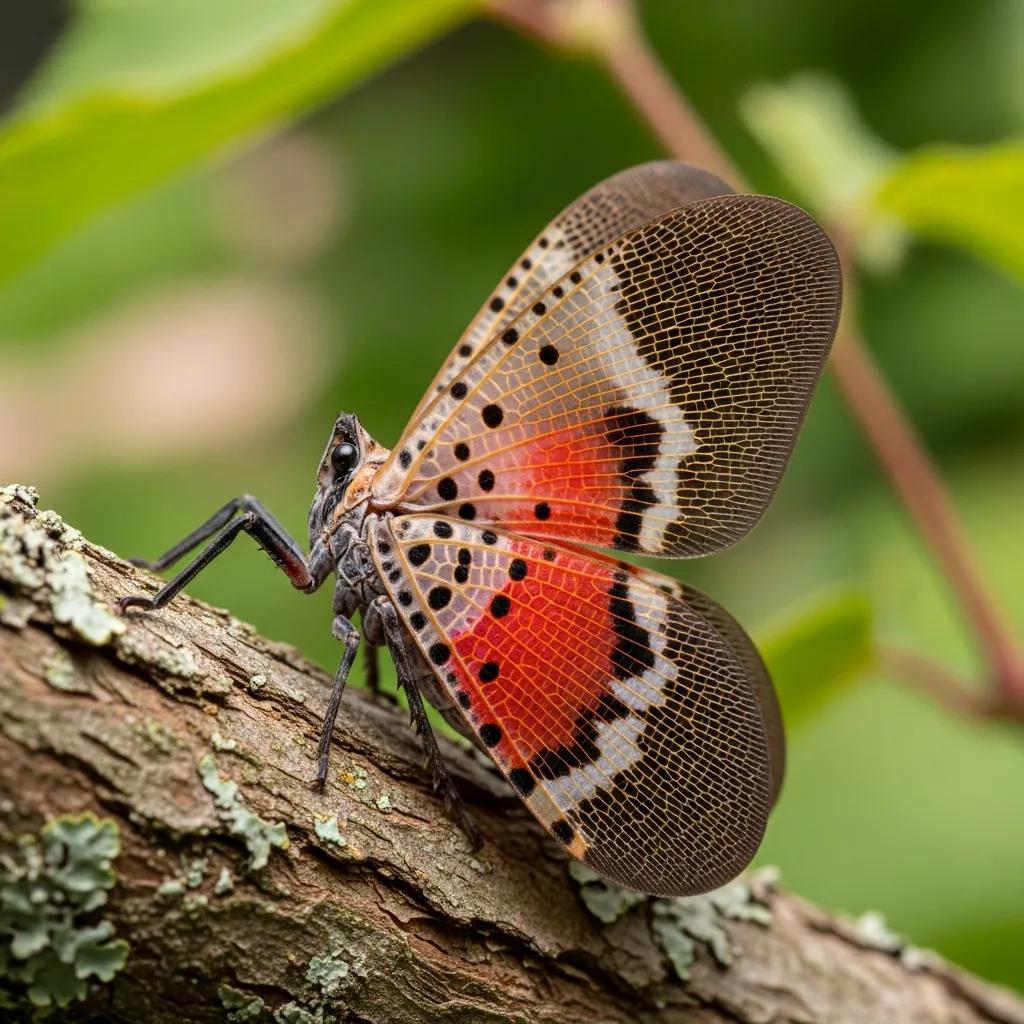
The Spotted Lanternfly changes quite a bit as it grows. You’ll find their eggs laid in masses that look like grayish-brown smears or patches, often stuck to tree bark, stones, outdoor furniture, or other surfaces. In the spring, tiny nymphs hatch; they start out black with white spots, then develop red patches as they get older. By late summer to early fall, they’ve grown into adults, which are about an inch long. When they’re resting, you’ll see their grayish wings with black spots, but when they fly, you’ll catch a glimpse of their bright red underwings. Knowing these features at each stage is super important for early detection and getting them under control.
For a deeper dive, research offers detailed insights into the physical characteristics and classification of the Spotted Lanternfly, highlighting its invasive nature in Georgia.
Identifying Spotted Lanternfly: Invasive Pest in Georgia
Spotted lanternfly (SLF) is an invasive pest new to the United States. Despite its common name, SLF is not a fly, but a large planthopper (Hemiptera: Fulgoridae). Its forewings are grayish, adorned with black spots, and the hind wings are banded black and white anteriorly and deep red posteriorly.
Spotted lanternfly management in nurseries, orchards, vineyards, and natural areas in
South Carolina and Georgia, DR Coyle, 2019
Which Plants and Trees Does the Spotted Lanternfly Prefer in Georgia?
The Spotted Lanternfly isn’t picky about *all* plants, but it definitely has its favorites! The Tree of Heaven (Ailanthus altissima) is its absolute top choice. But don’t let that fool you; they also love fruit trees like apples, peaches, and grapes, plus hardwoods such as oak, walnut, and maple. Knowing which plants they prefer can help you keep a closer eye on your landscape for any signs of trouble and act fast before they spread.
What Are the Risks and Damage Caused by Spotted Lanternfly in Georgia?
The Spotted Lanternfly brings a whole host of problems for our trees, gardens, and even agriculture, so it’s crucial to understand the potential damage it can inflict.
How Does Spotted Lanternfly Affect Trees, Gardens, and Agriculture?
SLF feeds by piercing the stems and trunks of trees and plants to suck out their sap. This weakens and stresses them, making them more vulnerable to diseases and other pests. If you have a heavy infestation, your plants can lose their vigor and even die over time. For farmers, this pest can cause significant damage to crops, especially grapes, apples, and hops, leading to lower yields and financial losses. In your own garden, SLF can harm ornamental plants and fruit-bearing trees, impacting their health and how much fruit they produce.
Why Is Early Detection Important to Prevent Spread?
Catching the Spotted Lanternfly early is absolutely vital to stopping its spread. Regularly checking for signs of infestation—like egg masses, nymphs, or adults—allows you to take action quickly. If you wait too long, a small problem can turn into a huge infestation, making it much harder and more expensive to control.
How Can You Effectively Control and Remove Spotted Lanternfly in Georgia?
Getting rid of the Spotted Lanternfly usually means using a mix of methods, from things you can do yourself at home to calling in the professionals.
What Residential Pest Control Options Are Available for Spotted Lanternfly?
As a homeowner, you have several options to manage SLF infestations. You can use insecticidal sprays specifically labeled for SLF control, or try sticky bands and traps (just be careful to place them where they won’t harm beneficial insects or other wildlife). Simple cultural practices, like removing their favorite host plant, the Tree of Heaven, can also help. For the best results, always follow the product instructions and apply treatments at the right time—usually targeting nymphs in the spring and adults in late summer.
Studies have looked into how well different insecticidal treatments, including sprays and trunk drenches, work for managing Spotted Lanternfly infestations on host trees.
Insecticide Sprays & Trunk Drenches for Spotted Lanternfly on Trees
the residual efficacy of 4 insecticides commonly used in tree fruit management programs: host trees as well as foliar sprays and systemic trunk drenches on A. altissima
Evaluation of insecticide residues against spotted lanternfly (Hemiptera: Fulgoridae), LJ Nixon, 2024
Arete Pest Control offers comprehensive pest management services specifically designed to tackle Spotted Lanternfly infestations. Their eco-friendly treatments are safe for your family and pets while still being super effective against these invasive pests.
How Do Professional Treatments Compare to DIY Methods?
While DIY methods can be a good start, professional pest control services often deliver more effective and longer-lasting results. Trained technicians can accurately assess how bad your infestation is and apply targeted treatments, including systemic insecticides and specialized application techniques, that aren’t available to the general public. DIY might save you a few bucks upfront, but it might not always get the job done, especially if you’re dealing with a severe infestation.
What Are the Costs and Considerations for Lanternfly Treatment in Georgia?
Understanding what you might pay for Spotted Lanternfly treatment is a smart move for any homeowner looking into pest control options.
What Factors Influence the Cost of Spotted Lanternfly Control Services?
The cost of pest control services for Spotted Lanternfly can vary based on a few things: how big the infestation is, which treatment method is chosen, and the specific services you need. Generally, you can expect costs to range from $150 to $500, depending on these factors.
Are There Satisfaction Guarantees or Eco-Friendly Options Available?
Arete Pest Control is proud to offer eco-friendly treatments that are safe for your family and pets. Plus, they stand by their work with a 100 percent satisfaction guarantee, making sure you’re happy with the results of their pest control services. This dedication to quality and safety makes them a trustworthy choice for managing Spotted Lanternfly infestations.
| Service | Cost | Guarantee |
|---|---|---|
| Residential Treatment | $150 – $300 | 100% Satisfaction Guarantee |
| Eco-Friendly Treatment | $200 – $400 | 100% Satisfaction Guarantee |
| Comprehensive Pest Management | $300 – $500 | 100% Satisfaction Guarantee |
How Can You Protect Your Trees and Garden from Spotted Lanternfly Infestation?
Preventing Spotted Lanternfly infestations is absolutely critical for keeping your trees and garden healthy and thriving.
What Are Effective Prevention Tips to Keep Lanternflies Away?
- Regular Monitoring: Make it a habit to check your plants often for any signs of SLF—look for egg masses, nymphs, and adults.
- Remove Host Plants: Get rid of the Tree of Heaven and any other plants they particularly love from your property.
- Use Traps Carefully: You can set up sticky traps around your garden to catch nymphs and adults, but remember to check them frequently to avoid trapping beneficial insects and other wildlife.
How Does Removing Tree of Heaven Help in Lanternfly Management?

Removing the Tree of Heaven is one of the most powerful things you can do to manage Spotted Lanternfly populations. This tree is their primary host, so getting rid of it can really mess up their life cycle and significantly reduce their numbers in your area. By eliminating this favorite hangout, you’re helping to protect your garden and the surrounding landscape from future infestations.
How Can You Report and Monitor Spotted Lanternfly Sightings in Georgia?
Reporting and keeping an eye on Spotted Lanternfly sightings is super important for controlling its spread here in Georgia.
Where and How Should You Report Lanternfly Sightings?
If you happen to spot a Spotted Lanternfly, please report it! Contact your local agricultural extension office or the Georgia Department of Agriculture. Giving them accurate information about where and how many you saw can really help authorities take the right steps.
What Are the Natural Predators and Biological Controls in Georgia?
Good news! In Georgia, we have some natural predators that can help keep Spotted Lanternfly populations in check. Birds, like the Eastern Bluebird and other insect-eating species, along with certain parasitic wasps, might prey on SLF eggs and nymphs. Plus, encouraging a diverse ecosystem in your garden can attract these helpful natural predators, boosting your overall pest management efforts.
Frequently Asked Questions About Spotted Lanternflies in Georgia
What exactly is a Spotted Lanternfly and why is it a problem?
The Spotted Lanternfly (SLF) isn’t actually a fly, but a type of planthopper. It’s an invasive pest that feeds on the sap of many plants and trees, especially the Tree of Heaven. It weakens plants, causes sticky “honeydew” residue, and can lead to significant damage to crops and ornamental plants, making it a serious threat to Georgia’s agriculture and natural landscapes.
Can I get rid of Spotted Lanternflies myself, or do I need a professional?
You can definitely take some DIY steps, like scraping egg masses, using sticky traps (carefully!), and removing host plants like the Tree of Heaven. However, for larger or more persistent infestations, professional pest control services are often more effective. They have access to specialized treatments and expertise to ensure thorough removal and long-term protection.
What should I do immediately if I find a Spotted Lanternfly on my property?
If you see a Spotted Lanternfly, the first thing to do is try to kill it! Then, take a photo and report your sighting to the Georgia Department of Agriculture or your local agricultural extension office. This helps authorities track their spread and implement control measures.
How can I protect my garden and trees from future infestations?
Prevention is key! Regularly inspect your plants, especially in spring and late summer. Remove any Tree of Heaven plants from your property. Consider using sticky bands on trees (with a protective barrier to prevent harm to other wildlife) and maintain overall plant health to make them more resilient. Professional preventative treatments can also be very effective.
Are the treatments for Spotted Lanternflies safe for my family and pets?
Many professional pest control companies, like Arete Pest Control, offer eco-friendly treatment options that are designed to be safe for your family and pets while still being highly effective against SLF. Always discuss safety concerns with your pest control provider to ensure the methods used align with your household’s needs.
By understanding how to identify, control, and report Spotted Lanternfly infestations, you’re doing your part to protect your home, garden, and trees from this invasive pest. Implementing these strategies will not only safeguard your property but also contribute to the broader effort to manage this pest in Georgia. Let’s work together to keep our state beautiful and healthy!