
Termites in Georgia
Overview of Termites in Georgia
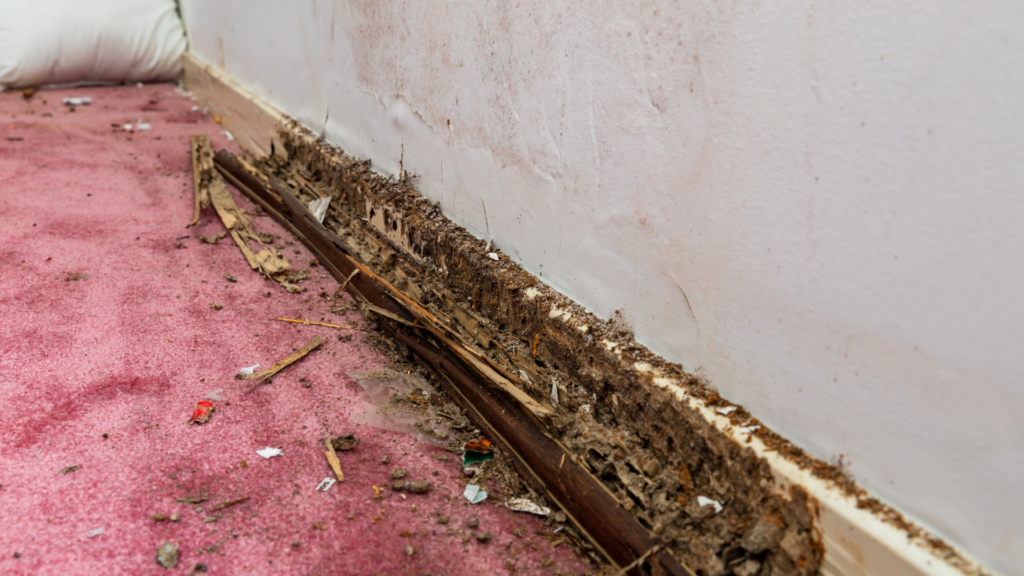
Termites in Georgia are a major threat to homes and businesses, responsible for millions of dollars in property damage each year. Because they often work undetected inside walls, floors, and foundations, infestations may not be discovered until significant structural damage has occurred.
Georgia’s warm, humid climate provides ideal conditions for termites to thrive. Professional inspections and preventative treatment are essential to protect your property and avoid costly repairs.
For more pest information, visit our full Pest Library.
Common Termites in Georgia
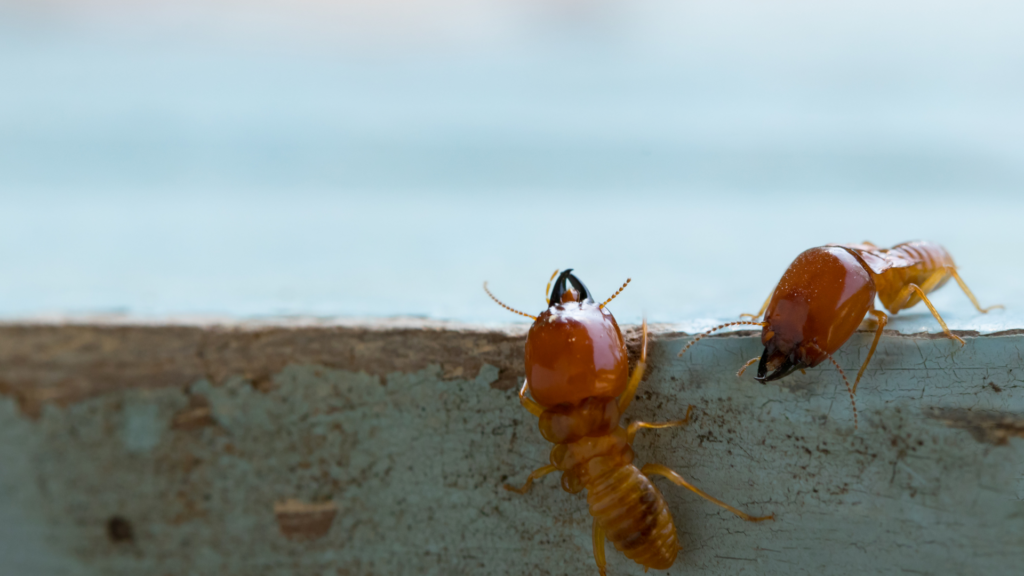
Two termite species are most common in Georgia: Eastern Subterranean termites and Formosan termites.
Eastern Subterranean Termite:
- Small, cream-colored workers and darker winged swarmers
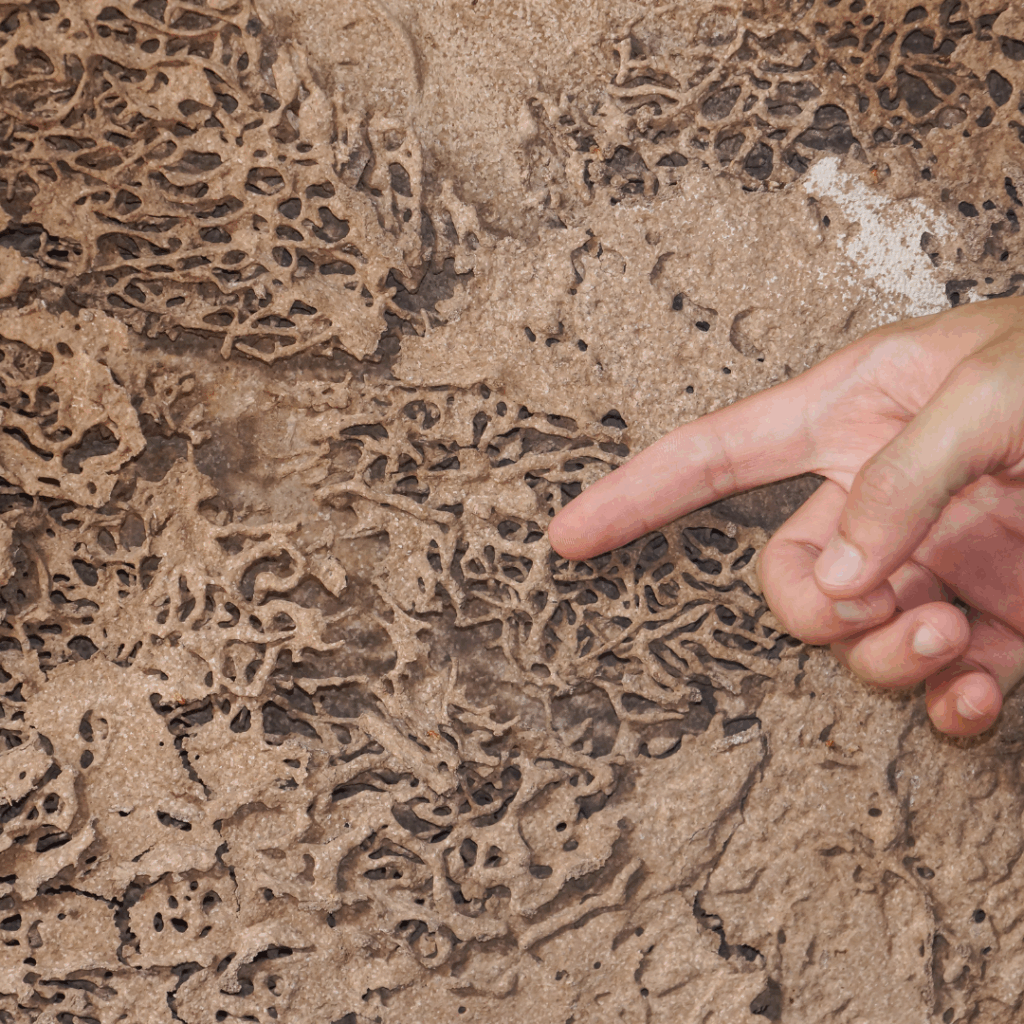
- Build mud tubes along walls and foundations
- The most common termite species in the state
Formosan Termite:
- Larger, highly destructive subterranean termites
- Swarm in large numbers
- Cause extensive damage faster than Eastern Subterranean termites
Signs of a Termite Infestation:
- Mud tubes on foundation walls or in crawlspaces
- Swarmers (winged termites) near windows or doors
- Discarded wings
- Wood that sounds hollow or is blistered
- Doors or windows that suddenly stick due to warping
Like silverfish in Georgia, termites often remain hidden in walls, flooring, or crawlspaces, causing damage long before they’re detected.
Where You’ll Find Them
Termites are most often found in areas with moisture and wood contact:
- Along home foundations
- In basements and crawlspaces
- Behind walls and inside wood structures
- Around leaky pipes, vents, and poorly ventilated areas
- In mulch beds, wood piles, and tree stumps
Their activity often remains hidden until damage becomes severe, which is why inspections are so important.
Life Cycle of Termites
The termite life cycle includes four main stages: egg, nymph, worker/soldier, and reproductive (king and queen).
- Queens can live over a decade and lay thousands of eggs
- Winged swarmers emerge in warm, humid conditions to start new colonies
- A mature colony can number in the hundreds of thousands
In Georgia’s favorable conditions, colonies grow quickly and can persist year-round.
Termite Prevention Tips for Georgia Homes
To help prevent termites:
- Keep soil, mulch, and wood at least 18 inches from your foundation
- Avoid wood-to-ground contact on decks and siding
- Repair leaky pipes and remove standing water
- Improve ventilation in crawlspaces
- Install vapor barriers where needed
- Schedule annual inspections with a pest professional
Preventive measures are far more affordable than structural repairs.

Frequently Asked Questions
How do I know if I have termites?
Look for mud tubes, discarded wings, and wood that sounds hollow when tapped.
Are termites active year-round in Georgia?
Yes. Termites remain active throughout the year in Georgia’s mild climate.
What types of termites are found in Georgia?
Eastern Subterranean and Formosan termites are the most common.
Does Arete Pest Control offer termite warranties?
Yes. We offer protection plans that include warranties and free re-treatments if termites return.
Professional Termite Control in Georgia
Arete Pest Control provides expert termite control in Georgia. Our technicians are trained to identify and eliminate infestations while offering long-term protection against reinfestation.
Our termite services include:
- Complete property inspections
- Liquid barrier treatments
- Termite baiting systems
- Ongoing monitoring and prevention plans
Contact Arete Pest Control today to schedule your inspection and protect your home from costly termite damage. Learn more about pests in our Pest Library.